All Blogs/AI Agents
26 Apr 2026
6 min read

Top 10 AI Agent Frameworks Developers Should Know

Top 10 AI Agent Frameworks Developers Should Know

By: Martian Corporation

Article content

Introduction

“Powerful systems are built faster when the right tools are in place.” Building AI agents sounds exciting until you actually try doing it. Managing memory, connecting APIs, handling decisions, and keeping workflows stable—it quickly becomes complex.

That’s why frameworks are becoming essential. Developers are no longer building everything from scratch. They are using structured tools that handle the heavy lifting, allowing them to focus on solving real problems instead of wiring systems together.

You don’t start from zero anymore. You start with structure. And move faster from there.
What Are AI Agent Frameworks

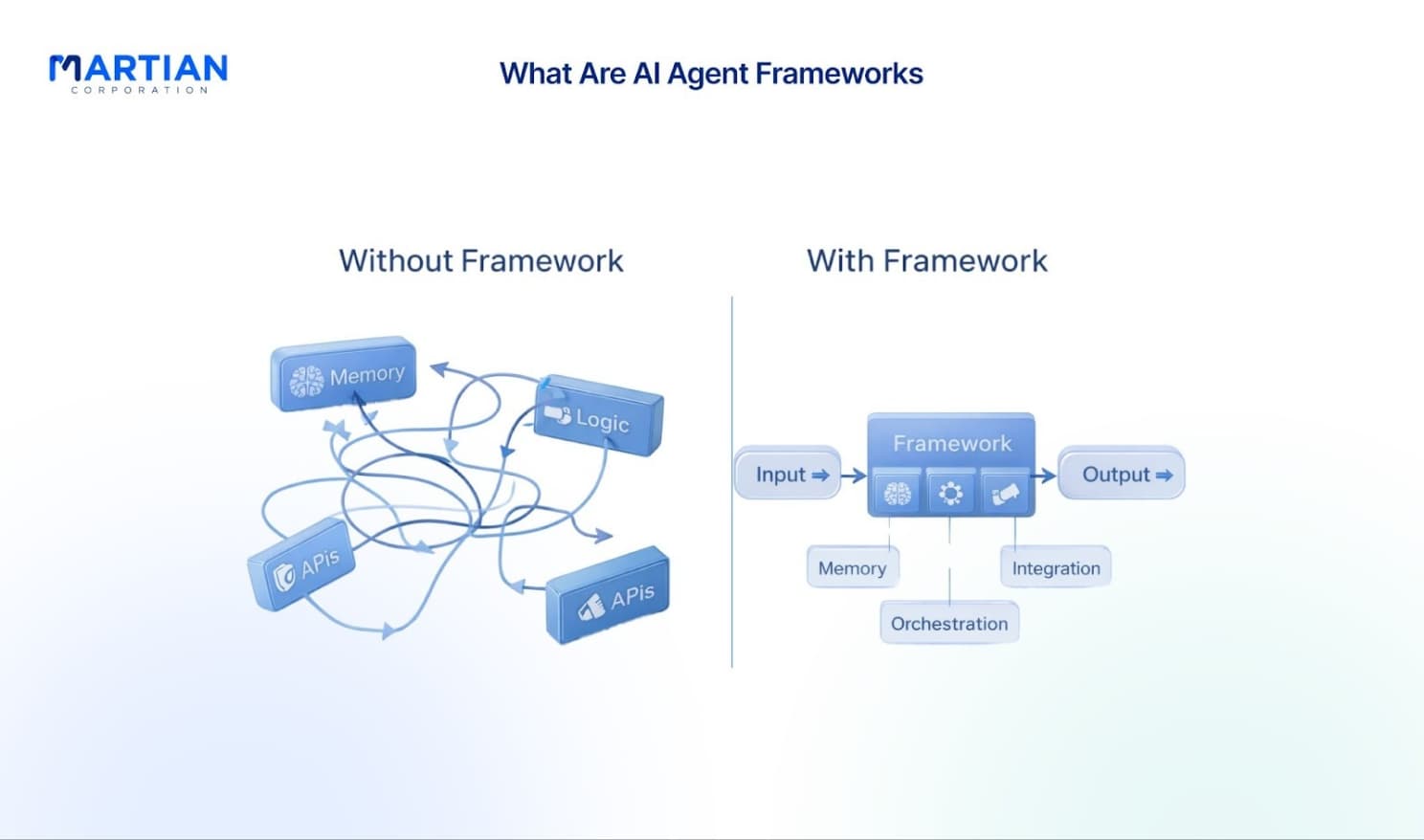
“Frameworks turn complex ideas into working systems.” AI agent frameworks provide a structured way to build intelligent systems. They handle core components like memory, task orchestration, and integrations, so developers don’t have to reinvent the basics every time.

Instead of writing low-level logic, developers define workflows and behavior. The framework takes care of execution, making development faster and more reliable.

Less setup, More building, Faster results

Why Developers Need Them

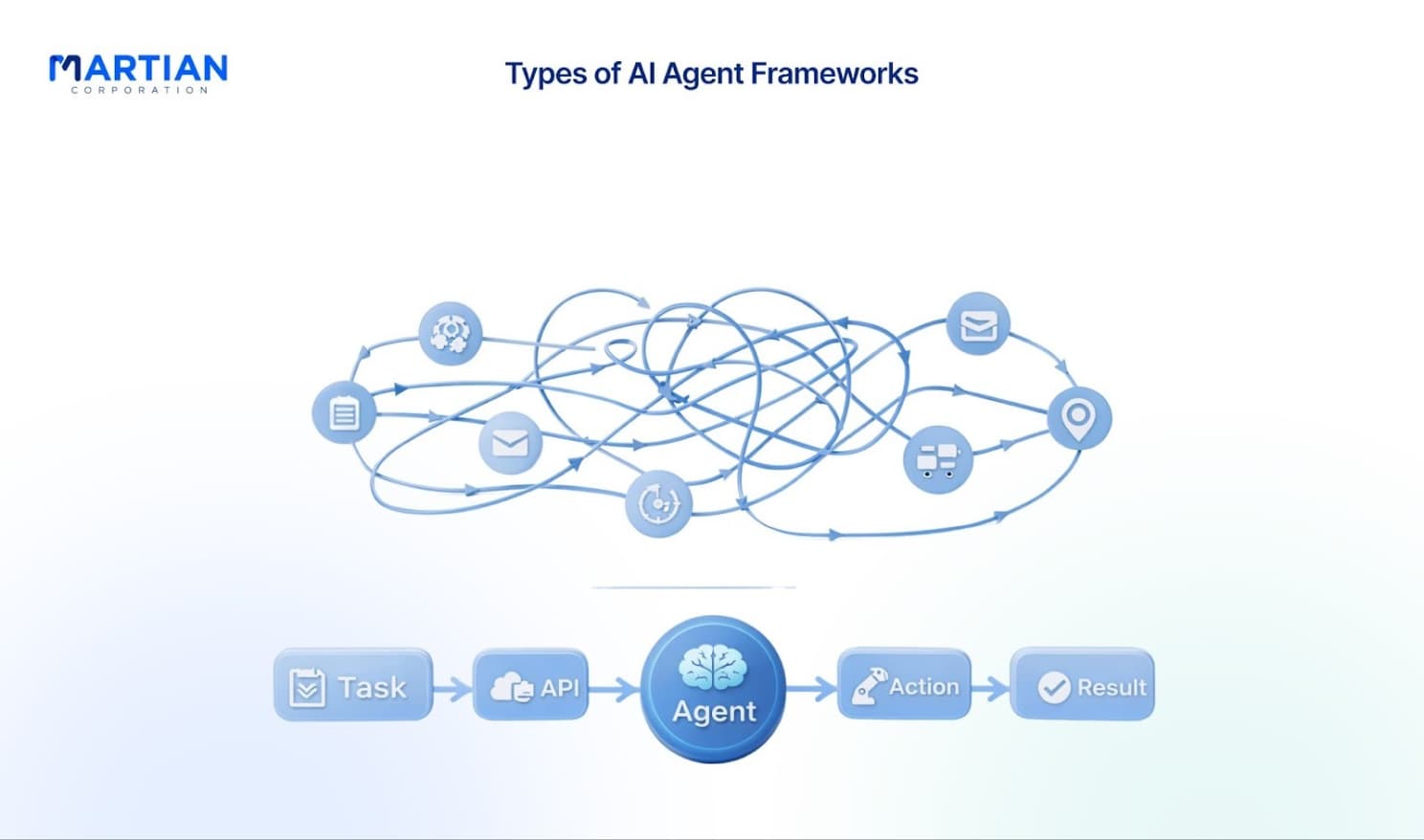
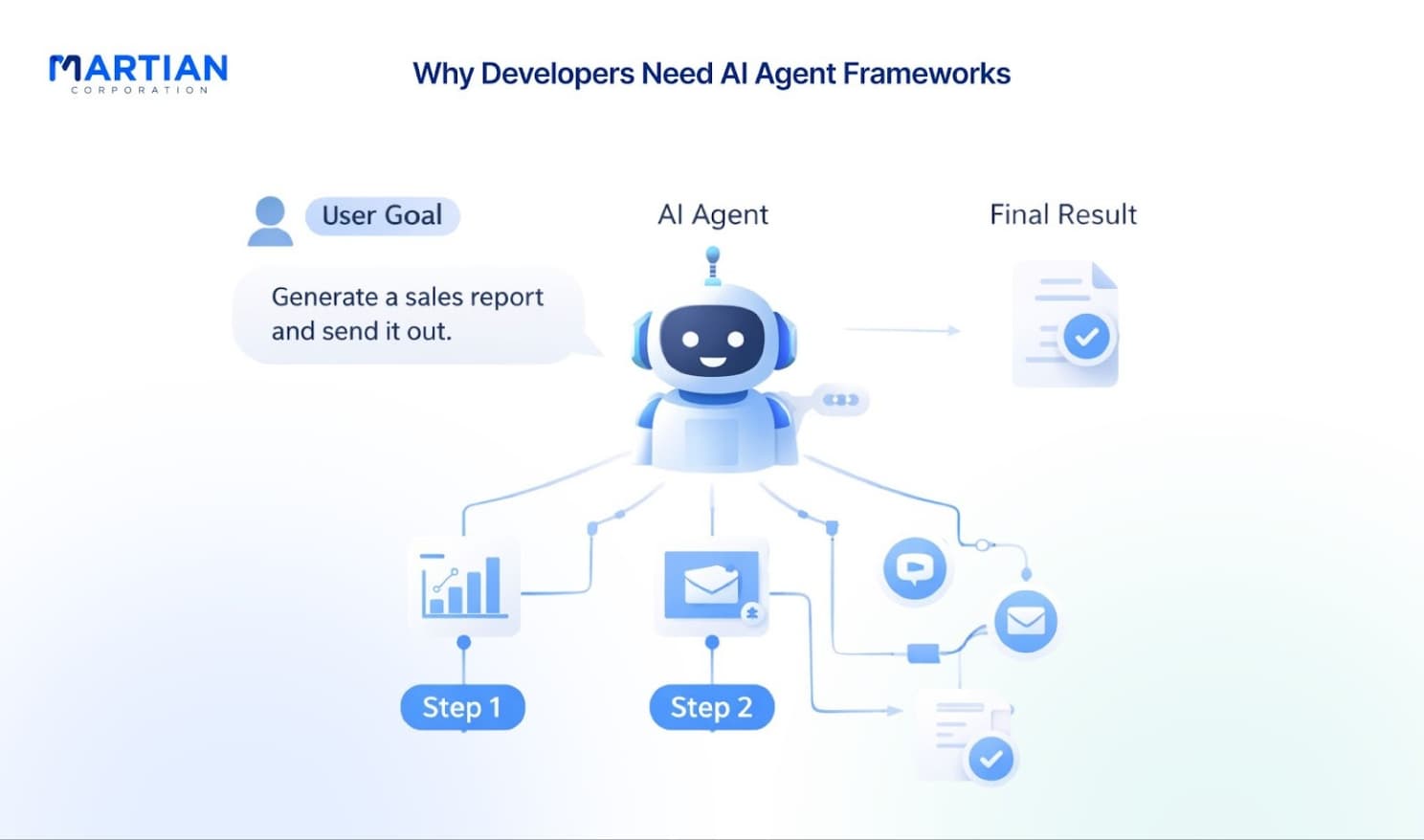
“Without structure, complexity slows everything down.” AI agents involve multiple moving parts—data, decisions, tools, and workflows. Managing all of this manually can quickly become overwhelming, especially when systems start scaling.

Frameworks bring clarity to this complexity. They reduce errors, improve consistency, and make it easier to build systems that actually work in production.

We’re already seeing a shift in how developers think. After the rise of autonomous tools, many stopped focusing only on features and started thinking in terms of workflows that an agent can handle end-to-end.

Not “How do I build this feature?” But “How do I get this done?”

Article content

“The ecosystem is growing faster than most expected.” The AI agent ecosystem has expanded rapidly. Frameworks like LangChain, AutoGPT, CrewAI, Semantic Kernel, and others are being actively used across industries.

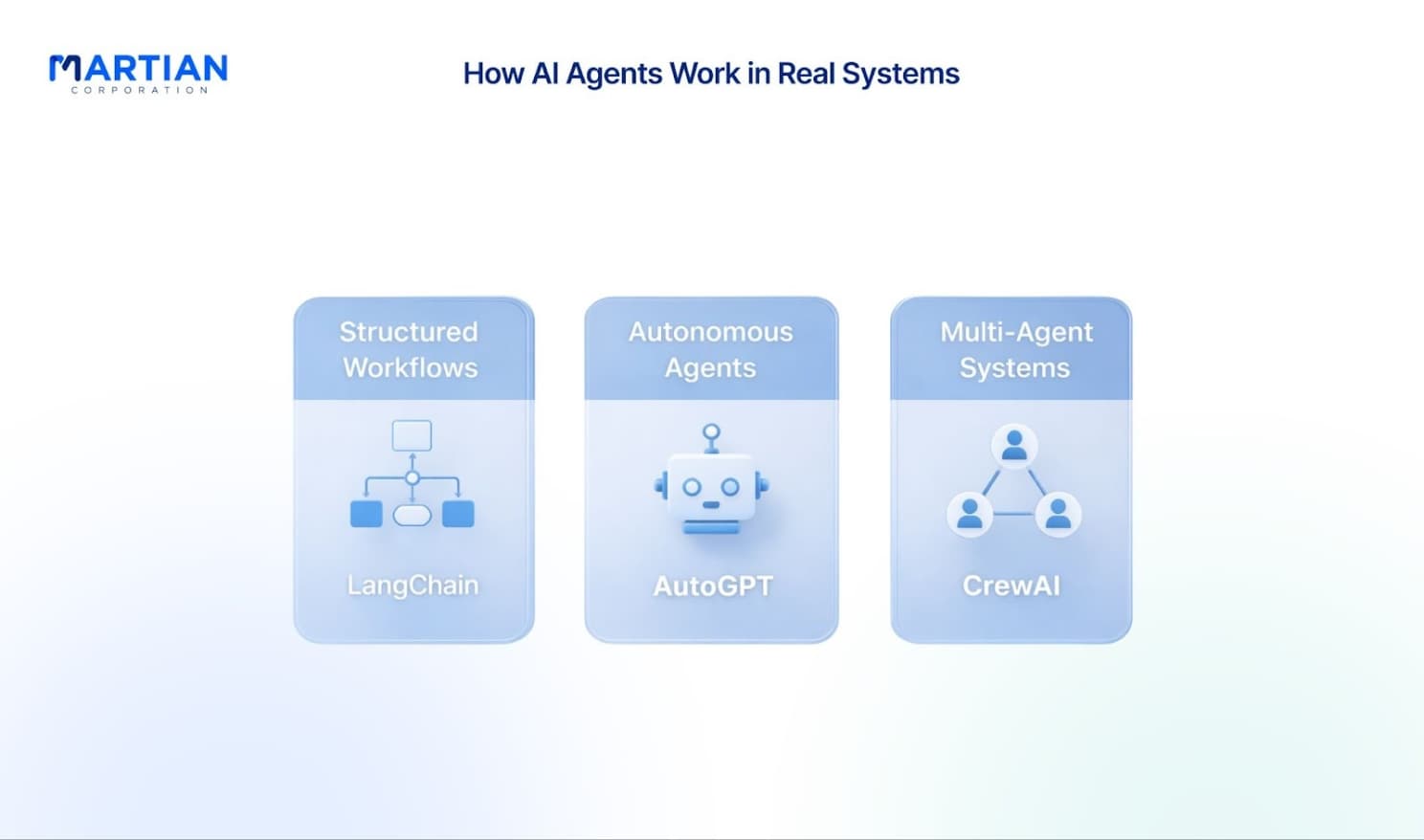
Each of these tools focuses on different aspects—structured workflows, autonomous execution, or multi-agent collaboration. Developers are no longer limited by capability, but by choosing the right tool for the job.

The question is no longer “Is this possible?” It’s “Which framework should I use?”

LangChain

“Structure and flexibility in one place.” LangChain has become one of the most widely used frameworks for building AI agents. It allows developers to create step-based workflows, manage memory, and integrate with external systems like APIs and databases.

Many teams are already using LangChain to build internal tools where agents fetch data, analyze it, and generate outputs automatically. What used to require multiple steps and coordination can now be handled within a single flow.

Fetch data, Process it, Deliver output

AutoGPT

“Automation that moves with minimal input.” AutoGPT focuses on autonomy. Instead of guiding every step, developers provide a goal, and the system attempts to plan and execute tasks on its own.

This approach gained massive attention when developers began experimenting with open-ended goals. The agent would try to break down the problem, act, and iterate without being told every step.

Then something changed the perception completely.

When Devin by Cognition Labs was introduced, it didn’t just assist developers—it built applications, debugged issues, and completed tasks like an actual software engineer. That moment made it clear that AI was no longer just supporting workflows.

For many, that was the shift. Not helping… but working.

Set a goal, Let it run, See it execute

Article content

CrewAI

“One agent is useful — a team of agents is powerful.” CrewAI introduces collaboration between multiple agents. Instead of one system doing everything, different agents take on specific roles and work together to complete tasks.

This mirrors how human teams operate. Tasks are divided, responsibilities are clear, and outcomes are achieved through coordination.

We’re already seeing early versions of this approach in advanced systems where agents handle different parts of a workflow before producing a final result.

Divide roles, Share tasks, Deliver together

Choosing the Right Framework

“The best tool depends on what you’re building.” Not every framework fits every use case. Some are better for structured workflows, others for autonomy, and some for collaboration.

The right choice depends on your project’s complexity, how much control you need, and how the system should scale. Selecting the right framework early can save significant time later.

Don’t follow trends blindly, Understand your need, Build accordingly

Scalability and Performance

“Good frameworks grow with your system.” As applications grow, managing multiple agents and workflows becomes more complex. Frameworks help organize this complexity and allow systems to scale without constant redesign.

This is becoming increasingly important as AI agents move from experiments to real production environments.

Start small, Scale smoothly, Stay stable

Article content

Integration with Real-World Systems

“An agent is only useful if it can interact with real systems.” AI agents become truly valuable when they connect with real tools—APIs, databases, and business systems. Frameworks make this integration easier and more reliable.

This shift is already visible in real companies.

For example, Klarna introduced AI systems to handle customer support, and those systems are now doing work equivalent to hundreds of human agents. They don’t just answer queries—they resolve issues, process requests, and complete tasks.

That’s where the difference becomes clear.

Not just responding, But acting, Inside real systems

Future of AI Agent Frameworks

“Today’s tools are just the starting point.” The speed at which these frameworks are evolving is remarkable. New capabilities are being added constantly, making systems more intelligent and easier to build.

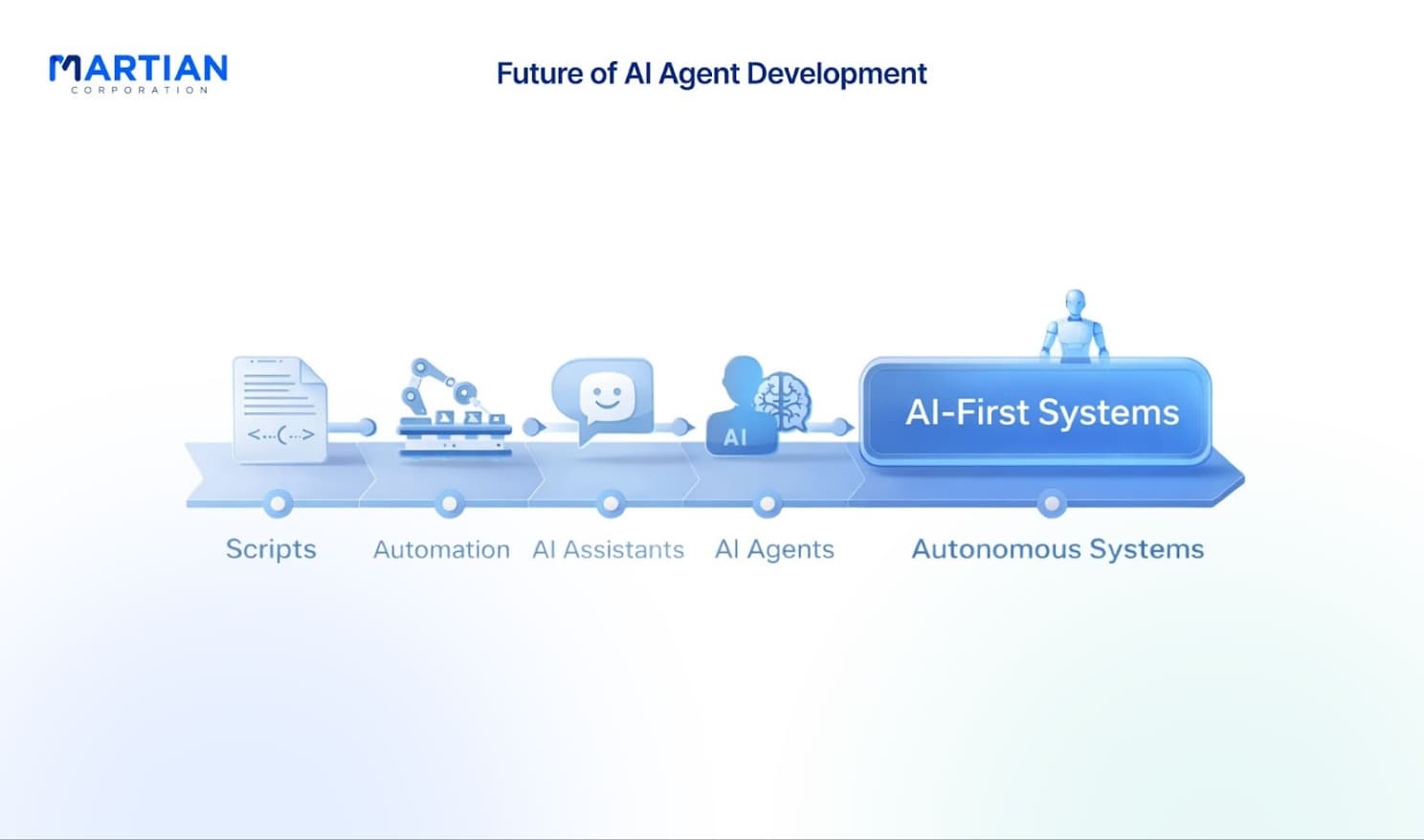
At the same time, companies are beginning to treat AI differently. Some are already shifting toward AI-first thinking, where automation is considered before adding more human effort.

AI is no longer just a feature. It’s becoming part of how work gets done.

Conclusion

“The real advantage is not just building agents — it’s building them at the right moment.” AI agent frameworks are changing how developers approach software development. They remove unnecessary complexity and allow teams to focus on creating real value.

What once required significant effort and time can now be achieved faster with the right tools and approach. And as these frameworks continue to evolve, they will define how modern systems are built.

Because going forward, it’s not just about what you build. It’s about how effectively you can bring it to life.

Article content

NewsLetter

Stay ahead in the world of technology

Get curated technology trends, expert analysis, and product updates delivered straight to your inbox — no noise, just signal.

Enter your email address

By subscribing you agree to our Terms and Conditions and Privacy Policy