All Blogs/AI Agents
29 May 2026
4 min read

The Future of Work: AI Agents as Digital Employees

The Future of Work: AI Agents as Digital Employees

By: Martian Corporation

Article content

Introduction

“The workforce is no longer limited to humans.” Work has always evolved with technology. Machines changed physical labor. Software transformed processes. Now, AI is beginning to reshape how knowledge work itself gets done.

AI agents are emerging as digital employees—systems that don’t just assist but actively contribute. They can handle tasks, make decisions, and operate with minimal supervision.

This is not just automation. It’s participation.

And for many organizations, this shift is already underway.
What Are Digital Employees

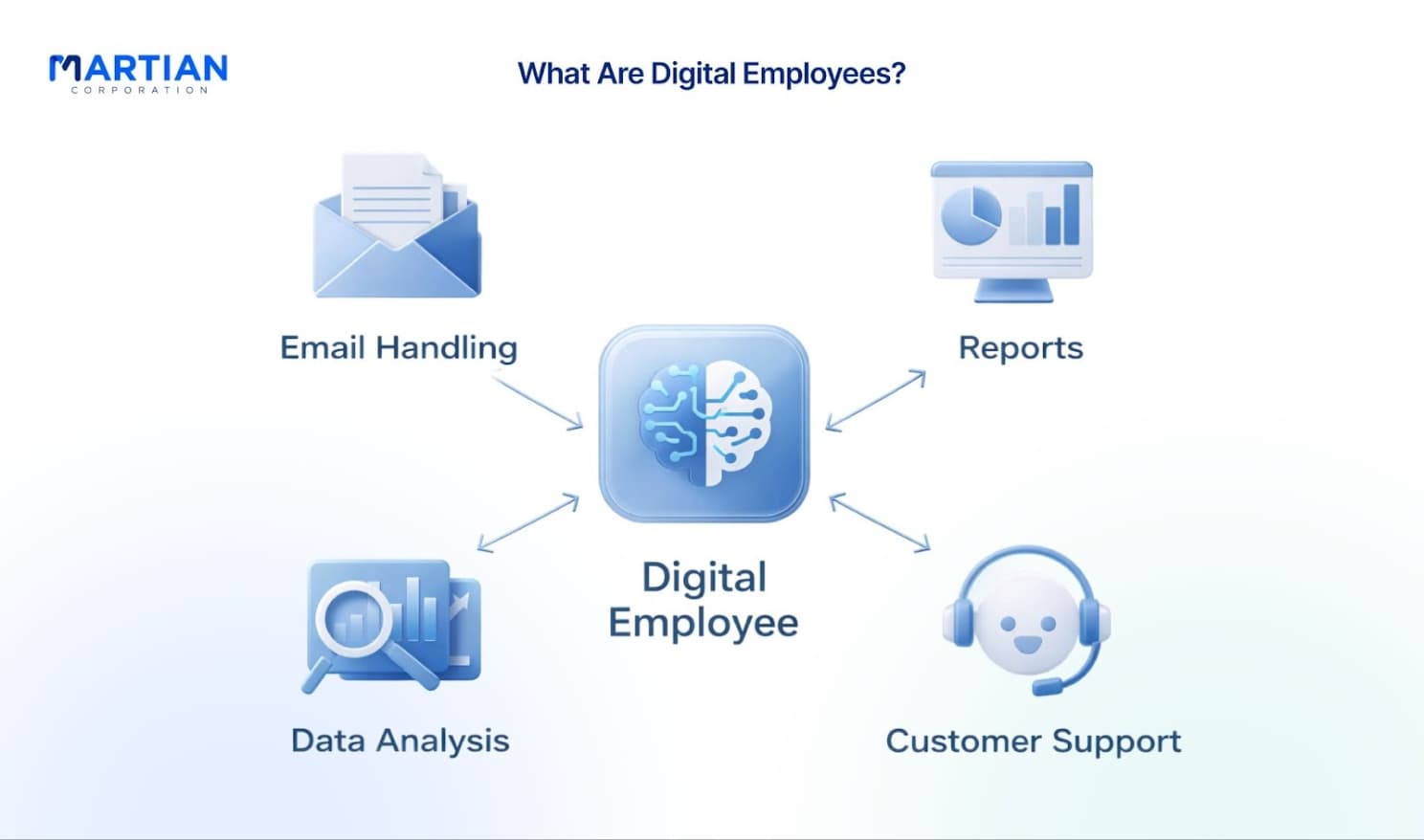
“Digital employees are AI systems that can take on real work.” Digital employees are AI agents designed to perform specific roles within a business. They can respond to emails, analyze data, generate reports, manage workflows, and even handle customer interactions.

The key difference from traditional software is simple—they don’t just wait for input. They take responsibility for tasks and move them forward.

This changes how we define “work.”

Not tools you use, But systems that work

How AI Agents Fit Into Teams

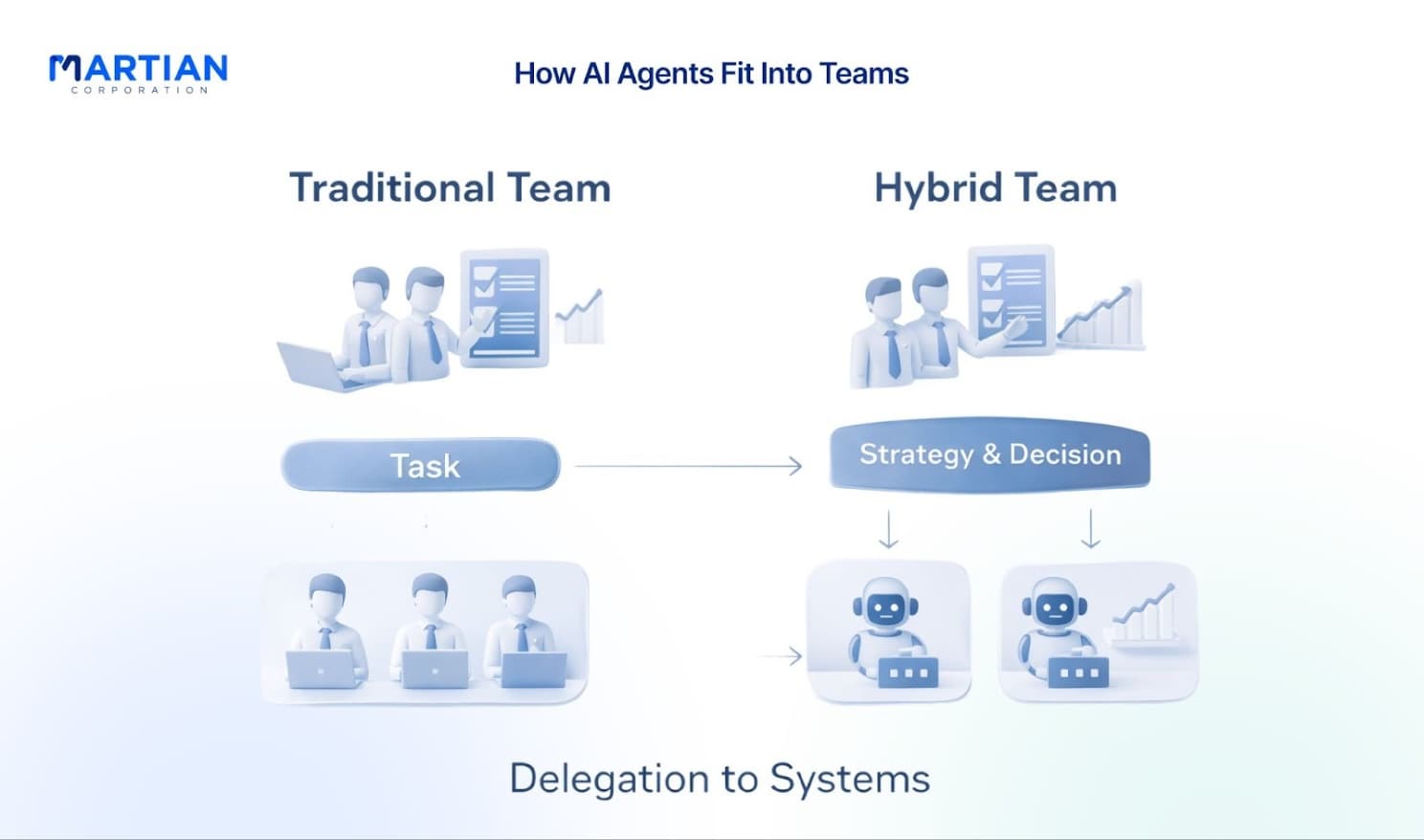
“The future team includes both humans and AI.” AI agents are not replacing teams—they are becoming part of them. They handle repetitive and time-consuming tasks, allowing humans to focus on areas that require judgment, creativity, and strategy.

We’re already seeing this shift in how teams operate.

Instead of doing everything manually, teams are starting to delegate work to systems.

The question is changing.

Not “Who will do this?” But “Can this be handled automatically?”

That’s how AI agents are quietly integrating into everyday workflows.

Article content

Improving Productivity

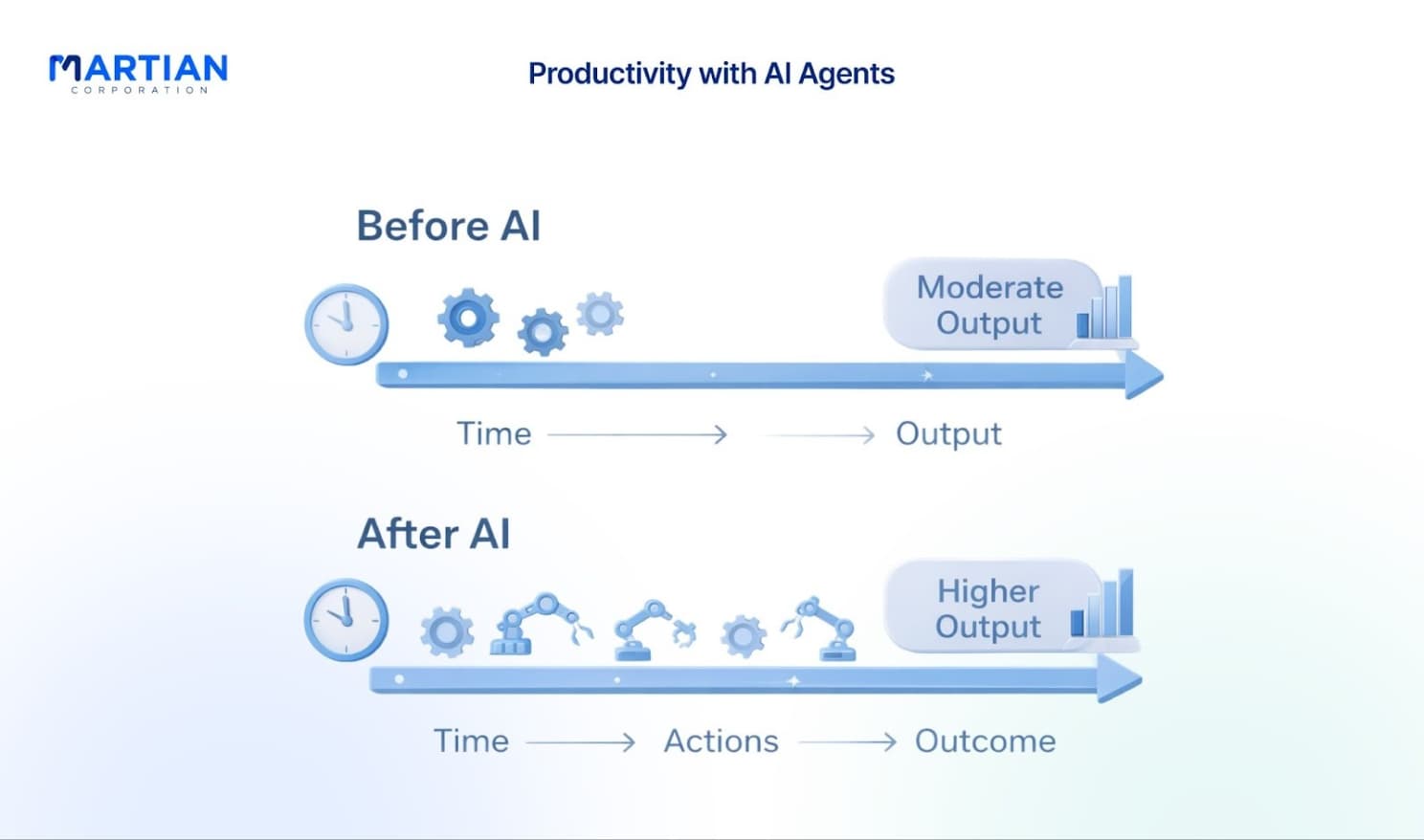
“More output comes from better support systems.” AI agents improve productivity by reducing the time spent on routine processes. Tasks that once required hours can now be completed in minutes, often with greater consistency.

This doesn’t just speed things up—it changes how work is structured. Employees spend less time managing processes and more time focusing on outcomes that matter.

The result is not just faster work, but more meaningful work.

24/7 Work Capability

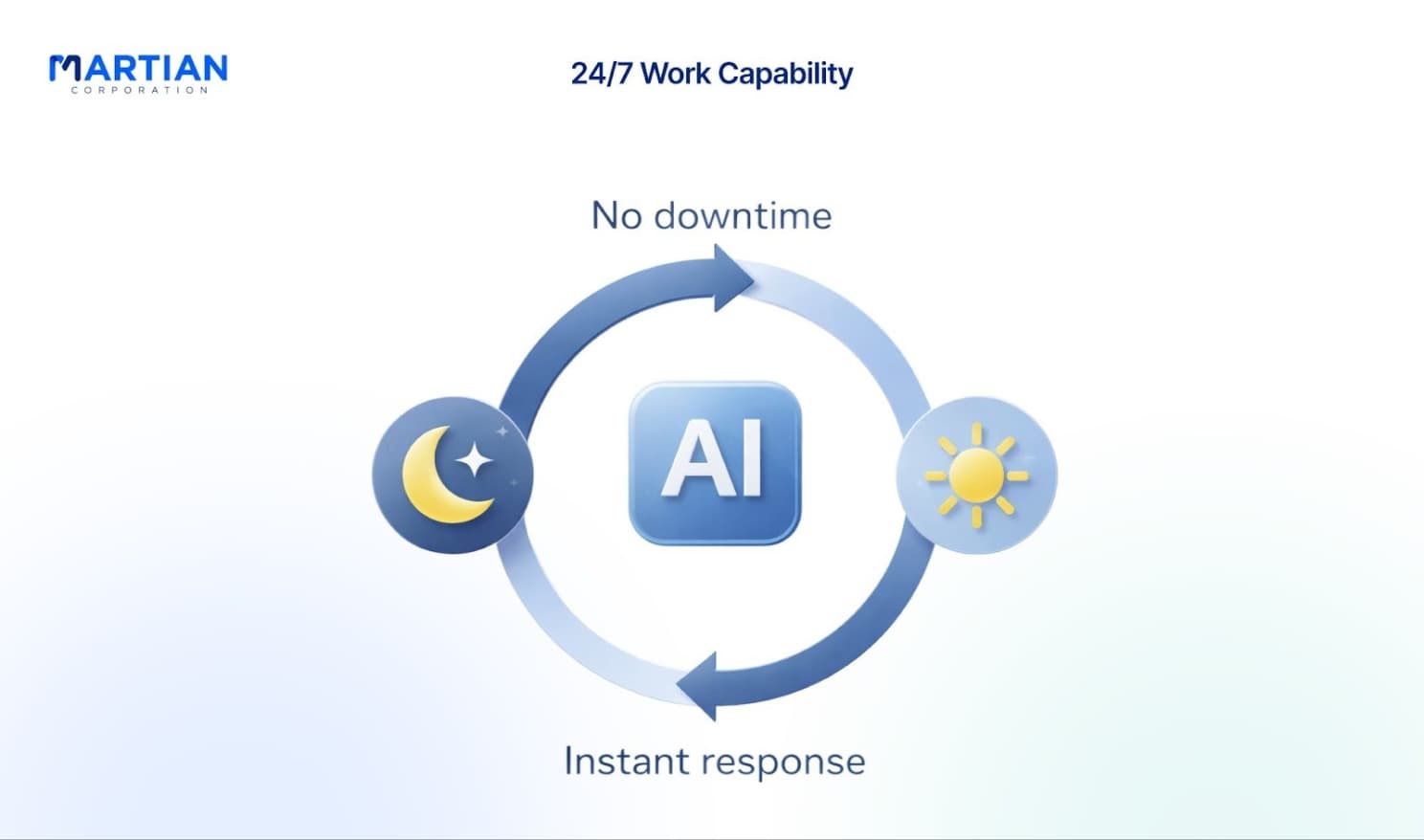
“Digital employees don’t need breaks.” One of the biggest advantages of AI agents is their ability to operate continuously. They don’t require downtime, making them ideal for tasks that need constant monitoring or quick responses.

Customer queries, system alerts, workflow updates—these can now be handled instantly, regardless of time zones or working hours.

Work doesn’t pause anymore. It continues in the background.

Scaling Workforce Without Hiring

“Growth doesn’t always require more people.” Traditionally, scaling operations meant hiring more employees. With AI agents, businesses can expand their capacity without increasing headcount for repetitive roles.

This allows organizations to grow faster while keeping operations efficient and costs under control. Instead of building larger teams for routine work, businesses can rely on systems that scale effortlessly.

Article content

Changing Skill Requirements

“The nature of work is evolving.” As AI agents take over routine tasks, the skills required from employees are also changing. There is a growing need for problem-solving, creativity, critical thinking, and the ability to work alongside intelligent systems.

Work is shifting from execution to direction. From doing tasks to guiding outcomes.

Employees who adapt to this shift will be better positioned in the evolving workplace.

Challenges and Concerns

“New opportunities also bring new questions.” The rise of digital employees also introduces challenges. Questions around job roles, ethics, data security, and system reliability need to be addressed carefully.

Businesses must ensure proper monitoring, transparency, and responsible use of AI. Trust will play a key role in how widely these systems are adopted.

Autonomy needs boundaries. And systems need oversight.

The Future Workplace

“Workplaces will be built around collaboration between humans and AI.” The workplace of the future will not be defined by humans or AI alone, but by how effectively they work together. AI agents will handle execution, while humans focus on direction, creativity, and decision-making.

This hybrid model will lead to faster workflows, better outcomes, and more adaptive organizations.

Article content

Conclusion

“The real shift is not replacement — it’s collaboration at scale.” AI agents as digital employees are redefining how work is done. They are not here to replace humans but to extend what teams are capable of achieving.

This is a transition from effort-based work to outcome-based systems. From managing tasks, To managing results

And organizations that understand this shift early will be better prepared for the future of work.

NewsLetter

Stay ahead in the world of technology

Get curated technology trends, expert analysis, and product updates delivered straight to your inbox — no noise, just signal.

Enter your email address

By subscribing you agree to our Terms and Conditions and Privacy Policy