All Blogs/AI Agents
5 Jun 2026
5 min read

Building AI Agents with LangChain, AutoGPT, and CrewAI

Building AI Agents with LangChain, AutoGPT, and CrewAI

By: Martian Corporation

Article content

Introduction

“The right tools turn complex ideas into working systems.” Building AI agents sounds exciting until you actually start. Managing memory, handling decisions, connecting systems, and maintaining workflows—it quickly becomes complex.

That’s why frameworks matter.

Instead of building everything from scratch, developers are now using tools like LangChain, AutoGPT, and CrewAI to simplify the process. These frameworks provide structure, allowing teams to focus on what the agent should achieve rather than how every component works internally.

Less setup, More building

And that’s changing how fast systems are being created today.
Why Frameworks Are Important

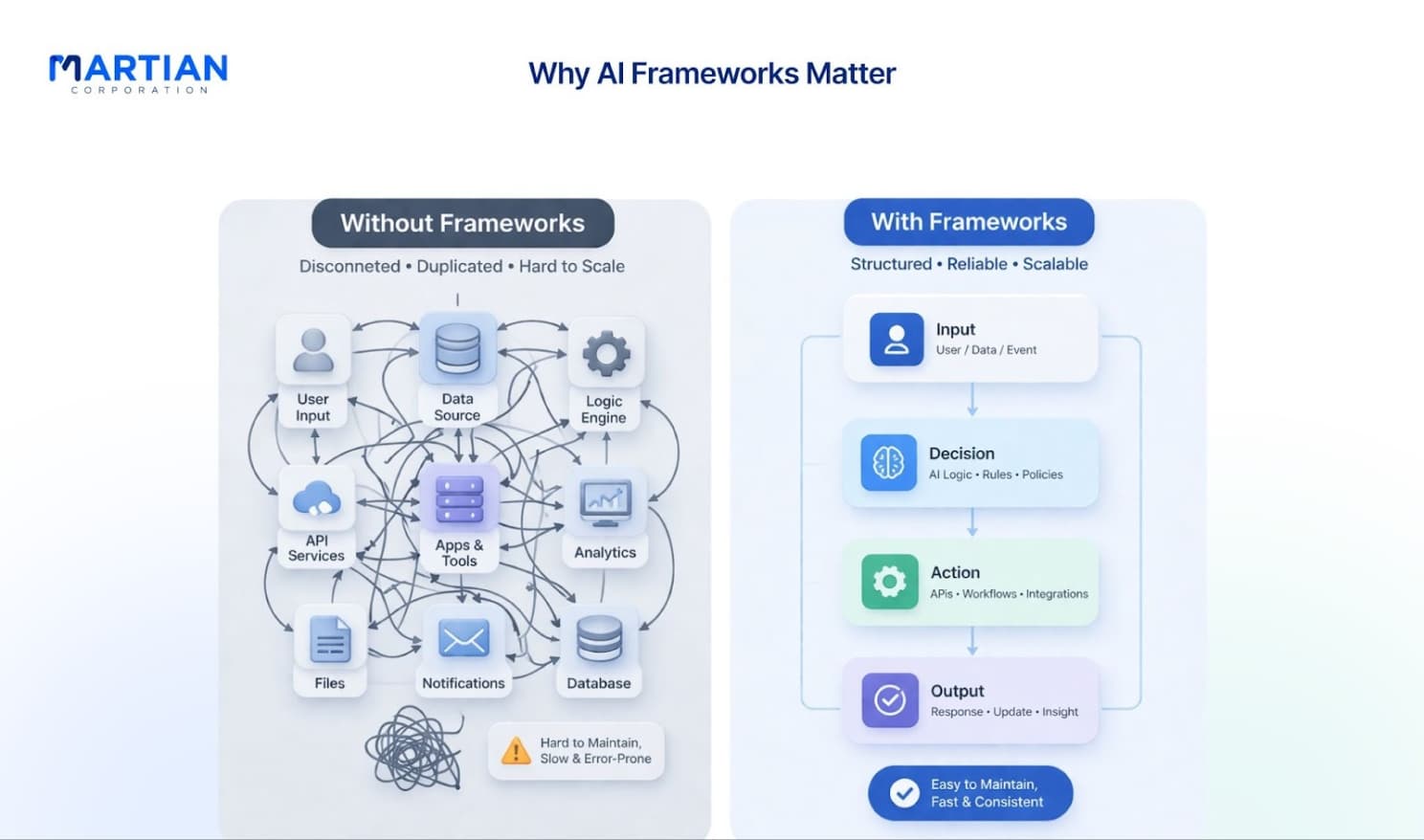
“Without structure, building intelligent systems becomes difficult.” AI agents are not single-function systems. They involve multiple layers—data handling, decision-making, execution, and integrations. Managing all of this manually can slow down development and increase errors.

Frameworks bring order to this complexity.

We’re already seeing a shift in how developers think.

Earlier, development was about features. Now, it’s about workflows.

Not “How do I build this feature?” But “How do I get this done?”

That change in thinking is exactly why frameworks are becoming essential.

LangChain

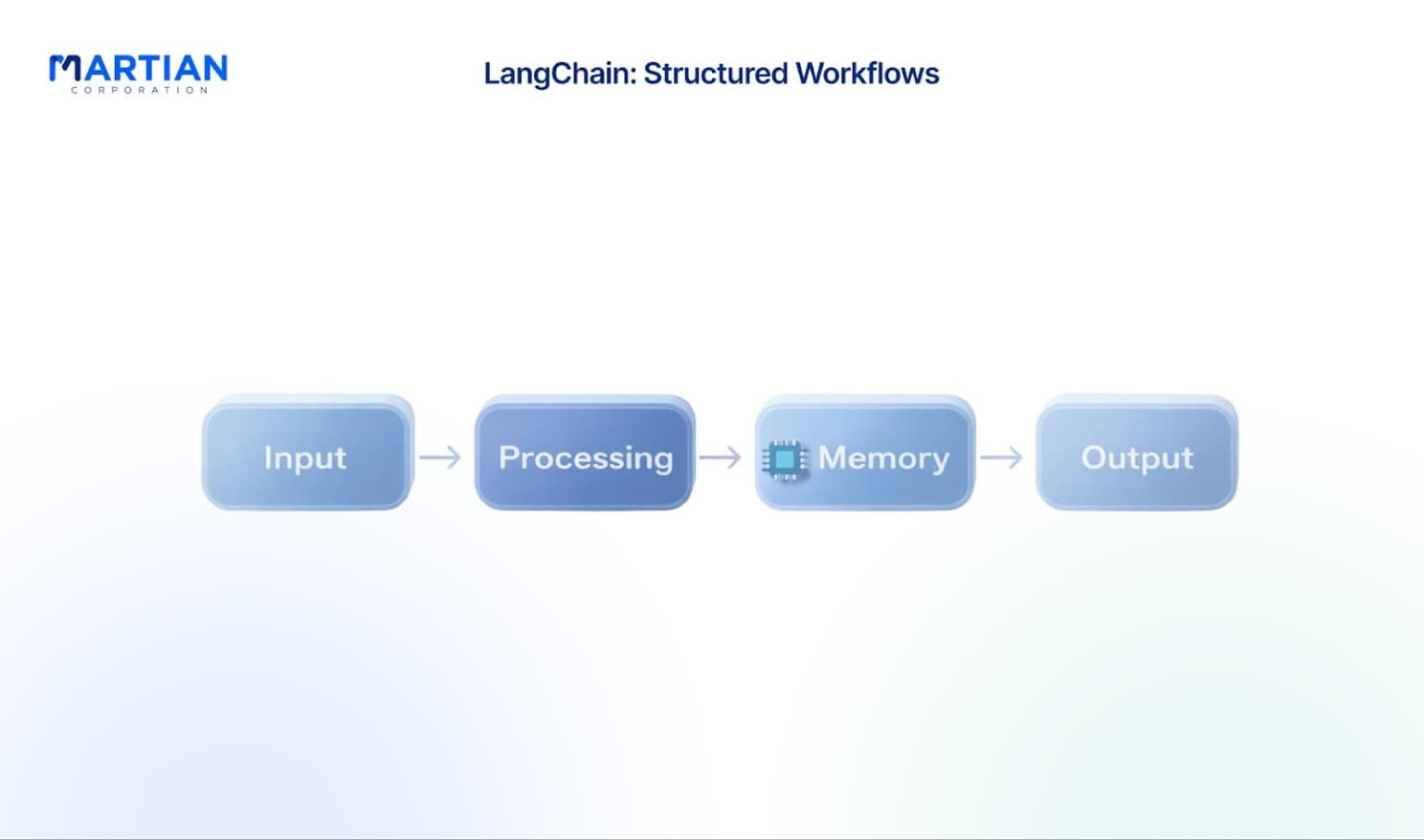
“Structured workflows make AI systems more reliable.” LangChain is one of the most widely adopted frameworks for building AI agents. It allows developers to create step-by-step workflows where tasks are chained together in a logical sequence.

It also supports memory, which means agents can retain context across interactions. This makes it especially useful for applications like chat systems, internal tools, and data-driven workflows where continuity matters.

Instead of isolated actions, you get connected flows.

That’s what makes systems more reliable.

Article content

AutoGPT

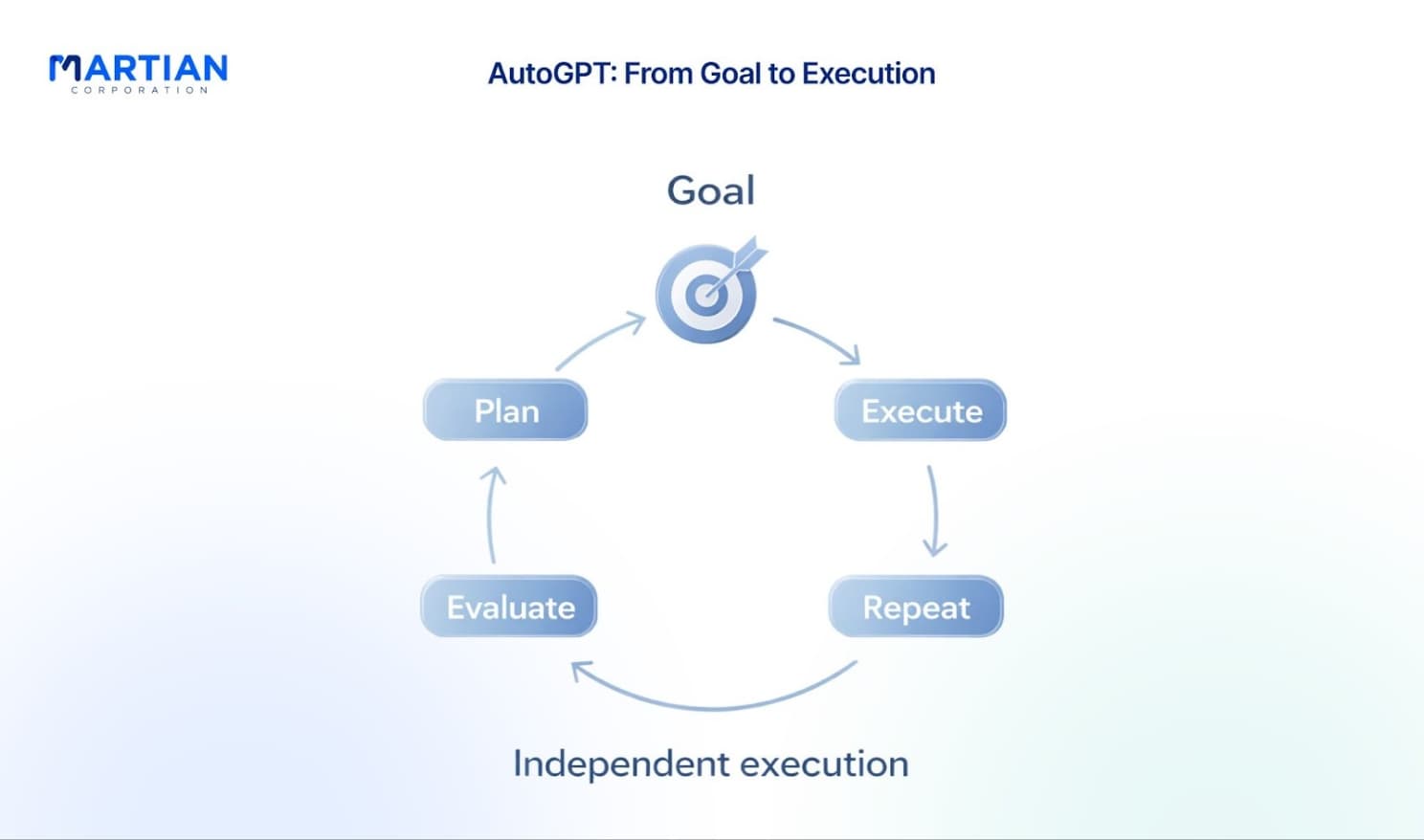
“Automation becomes powerful when systems can act independently.” AutoGPT is designed for autonomy. Instead of guiding every step, developers define a goal, and the system attempts to plan and execute tasks on its own.

This idea gained attention when developers started experimenting with open-ended tasks. But things became more real when tools like Devin (by Cognition Labs) showed that systems could actually build, debug, and complete development tasks with minimal input.

That’s when the shift became visible.

Not assisting, But executing

AutoGPT fits into this direction—where systems don’t just help, but try to complete the work end-to-end.

CrewAI

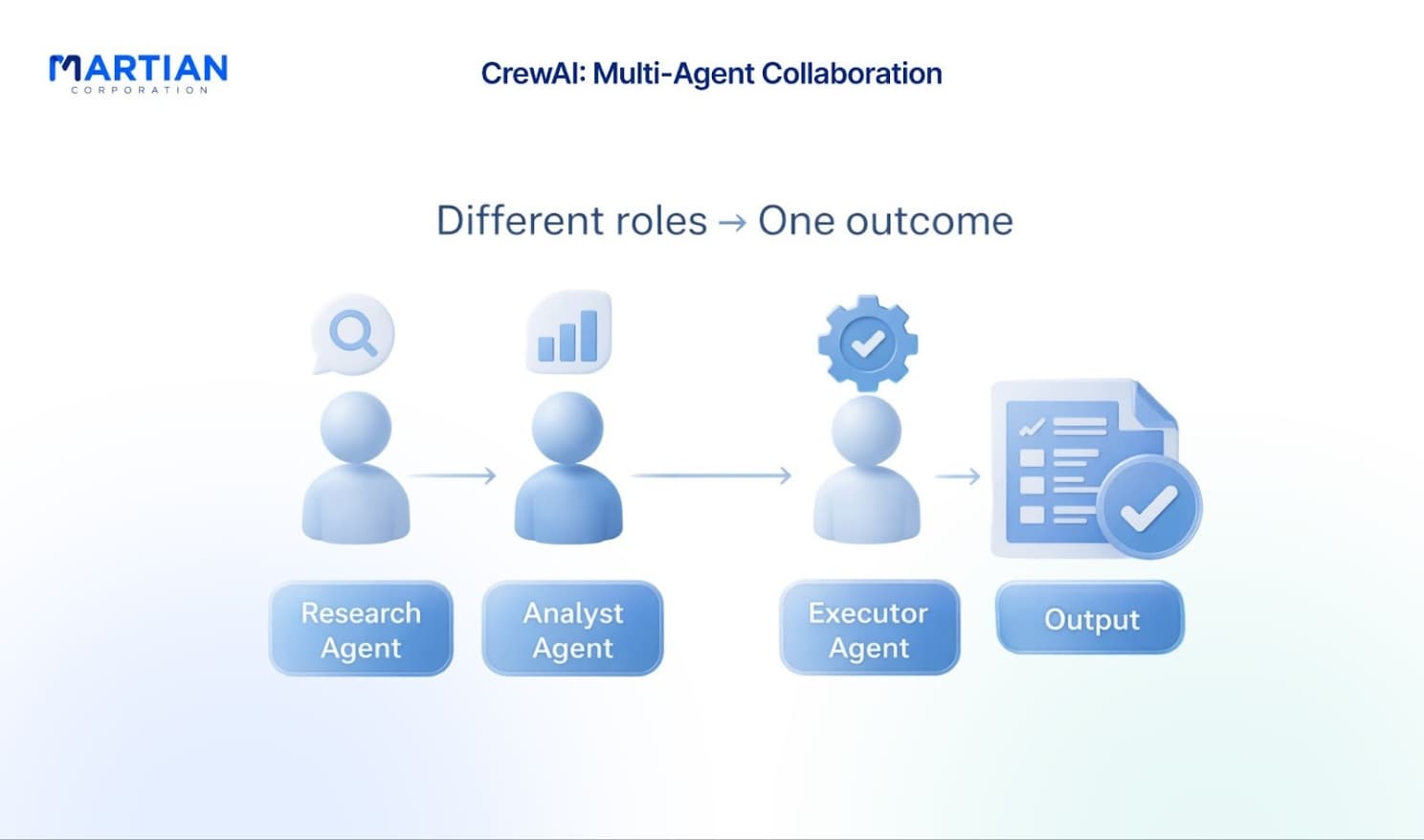
“Complex tasks are easier when multiple agents collaborate.” CrewAI focuses on multi-agent collaboration. Instead of relying on one agent, it allows multiple agents to work together, each handling a specific role.

One agent might research, another analyze, and another execute. This division of responsibilities makes it easier to manage complex workflows.

It mirrors how real teams work.

Different roles Shared outcome

And that’s why it works well for larger, more complex systems.

Choosing the Right Framework

“The best tool depends on what you’re trying to build.” Each framework solves a different problem. LangChain is ideal for structured workflows, AutoGPT for autonomous execution, and CrewAI for collaborative systems.

The right choice depends on your use case. If your goal is clarity and control, structured frameworks work best. If your goal is autonomy, you need systems that can operate independently.

Don’t choose based on trend, Choose based on need

Article content

Integration with External Systems

“AI agents become useful when they connect with real systems.” Frameworks make it easier to integrate AI agents with APIs, databases, and cloud platforms. This allows agents to move beyond generating responses and start performing real actions.

Fetching data, Updating systems, Triggering workflows

That’s where AI agents become practical—not just intelligent, but operational.

Scalability and Performance

“Good systems are designed to grow.” As applications expand, managing multiple agents and workflows becomes more complex. Frameworks help organize this growth by structuring tasks and making it easier to extend capabilities.

Instead of rebuilding systems, developers can scale by adding more workflows, agents, or integrations. This makes long-term development more sustainable.

Learning Curve and Development Experience

“Powerful tools still require understanding.” While frameworks simplify development, they still require a learning curve. Developers need to understand how workflows are structured, how agents interact, and how integrations are managed.

But once that foundation is clear, development becomes significantly faster and more efficient.

Initial effort Long-term speed

Article content

The Future of AI Agent Development

“Today’s frameworks are just the beginning.” AI agent frameworks are evolving rapidly. New capabilities are being added, making systems more autonomous, collaborative, and easier to build.

We’re moving toward a future where building intelligent systems becomes as standard as building web apps today. Frameworks will continue to abstract complexity and make development more accessible.

Conclusion

“The real advantage is not just building agents — it’s building them faster and better.” Frameworks like LangChain, AutoGPT, and CrewAI are changing how AI systems are built. They reduce complexity, improve speed, and allow developers to focus on outcomes rather than infrastructure.

This is not just about convenience. It’s about capability.

Because as AI adoption grows, the teams that can build faster, adapt quicker, and scale efficiently will have the real advantage.

NewsLetter

Stay ahead in the world of technology

Get curated technology trends, expert analysis, and product updates delivered straight to your inbox — no noise, just signal.

Enter your email address

By subscribing you agree to our Terms and Conditions and Privacy Policy