All Blogs/AI Agents
26 May 2026
4 min read

The Rise of Autonomous AI Agents in Enterprise Systems

The Rise of Autonomous AI Agents in Enterprise Systems

By: Martian Corporation

Article content

Introduction

“Automation is evolving into autonomy.” Enterprises have relied on automation for years to improve efficiency, but most systems still depend on human input at critical points. Workflows pause, decisions wait, and processes slow down when intervention is required.

Now, that model is changing.

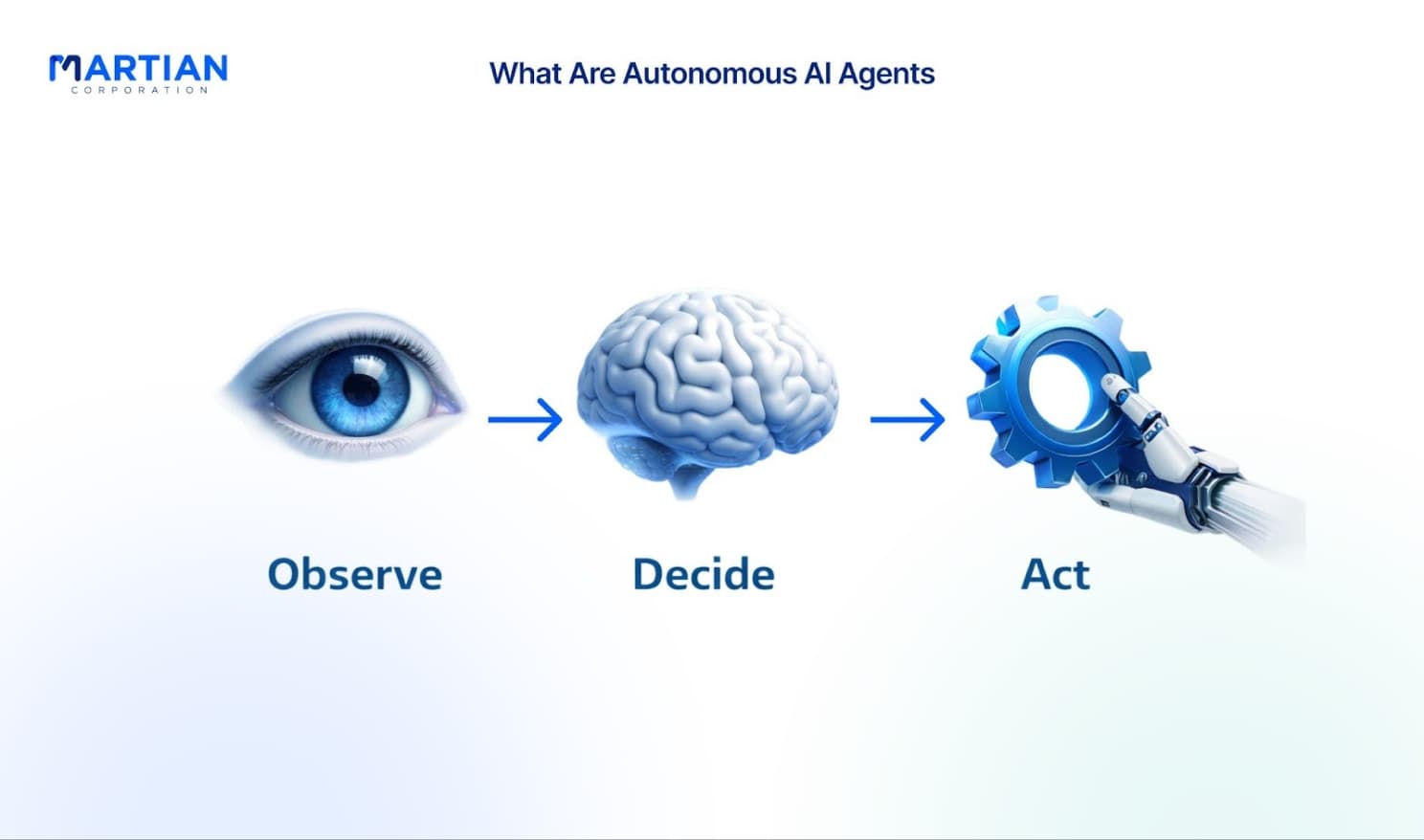
Systems don’t just wait anymore. They observe. They act.

Autonomous AI agents are enabling businesses to move faster by reducing dependency on manual steps and allowing systems to operate more independently.
What Are Autonomous AI Agents

“Autonomy means systems can act without constant guidance.” Autonomous AI agents are intelligent systems capable of performing tasks on their own by analyzing data, making decisions, and executing actions. Unlike traditional automation, they are not limited to predefined rules.

They adapt. They respond. They improve with context.

This flexibility makes them more effective in real-world scenarios where conditions are constantly changing.

How Enterprises Are Using Them

“Efficiency is driving adoption across industries.” Enterprises are already deploying autonomous AI agents across multiple functions such as customer support, IT operations, data processing, and internal workflows. These systems can monitor environments, respond to issues, and complete tasks without constant human involvement.

The shift is already visible.

From monitoring, To managing, From assisting, To executing

This reduces workload while improving response time and operational efficiency.

Article content

Real-Time Decision Making

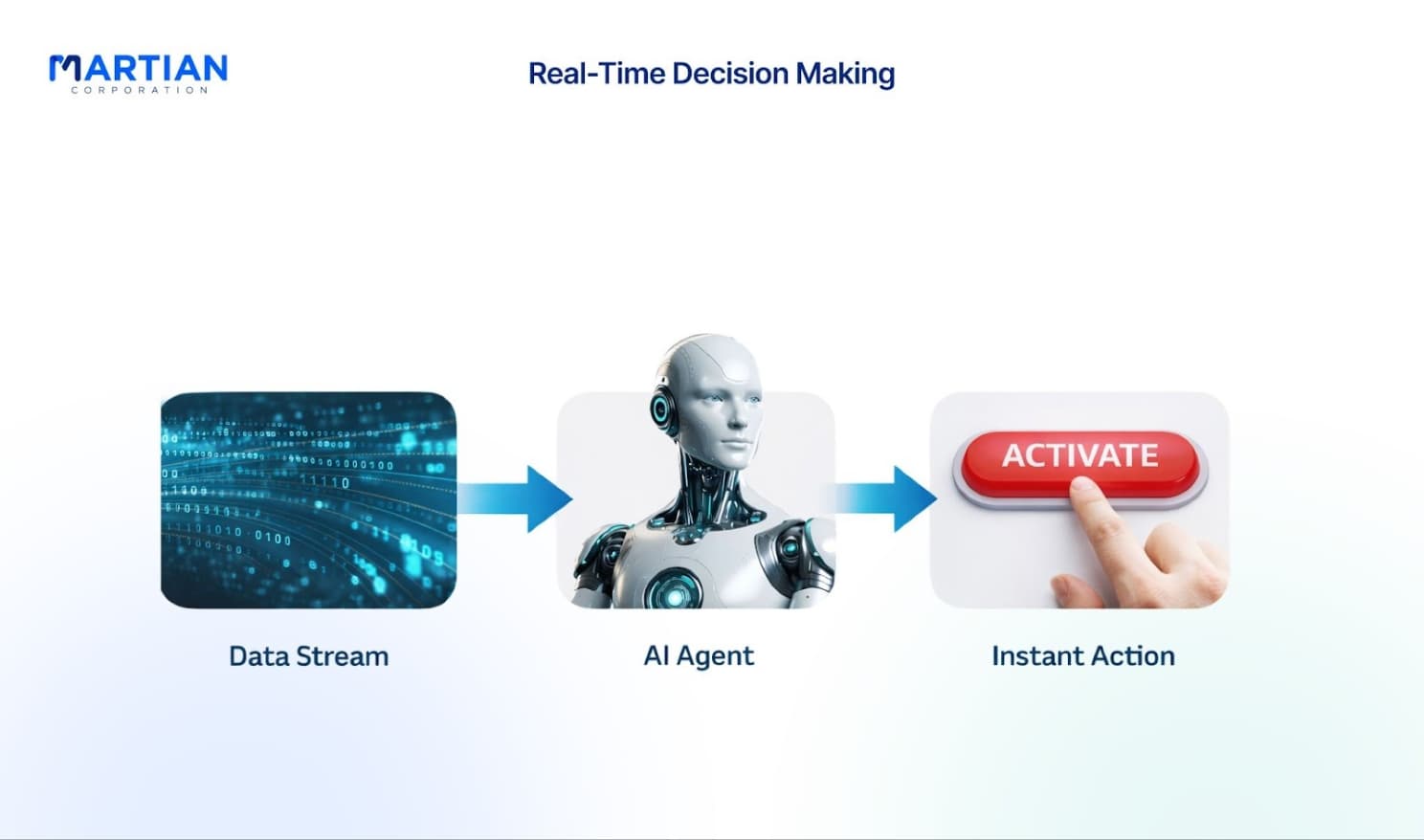
“Faster decisions lead to faster outcomes.” Autonomous AI agents process large volumes of data in real time and act instantly. This enables businesses to respond to changing conditions without delays, whether it’s handling requests, approving actions, or optimizing workflows.

No waiting, No bottlenecks, Just execution

This capability becomes critical in environments where speed directly impacts performance.

Reducing Human Dependency

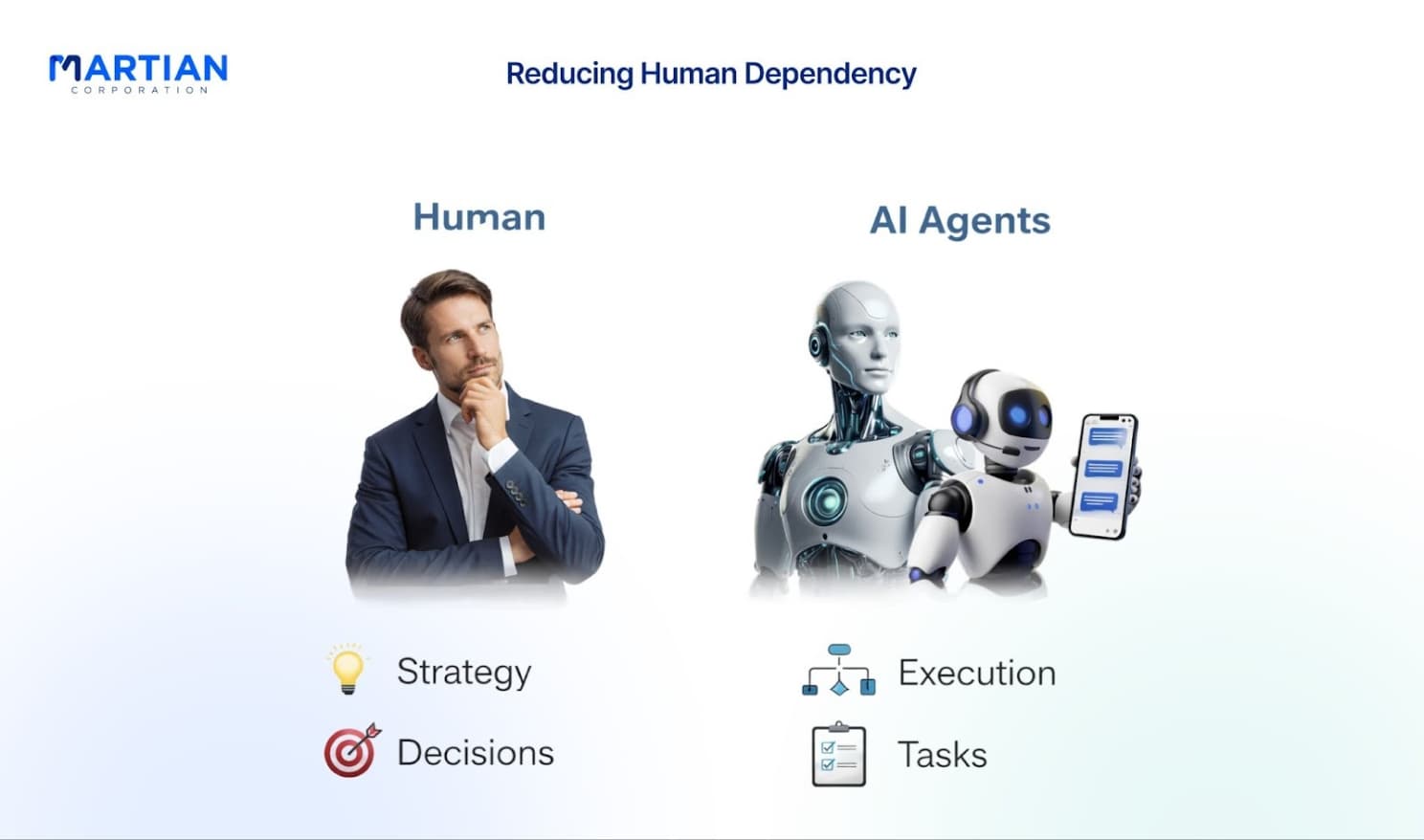
“Less manual effort, more intelligent systems.” By taking over repetitive and operational tasks, autonomous AI agents reduce the need for constant supervision. Teams are no longer required to manage every small step in a workflow.

Humans focus on direction, Systems handle execution

This balance improves productivity while allowing employees to concentrate on strategic and creative work.

Scalability Across Enterprise Systems

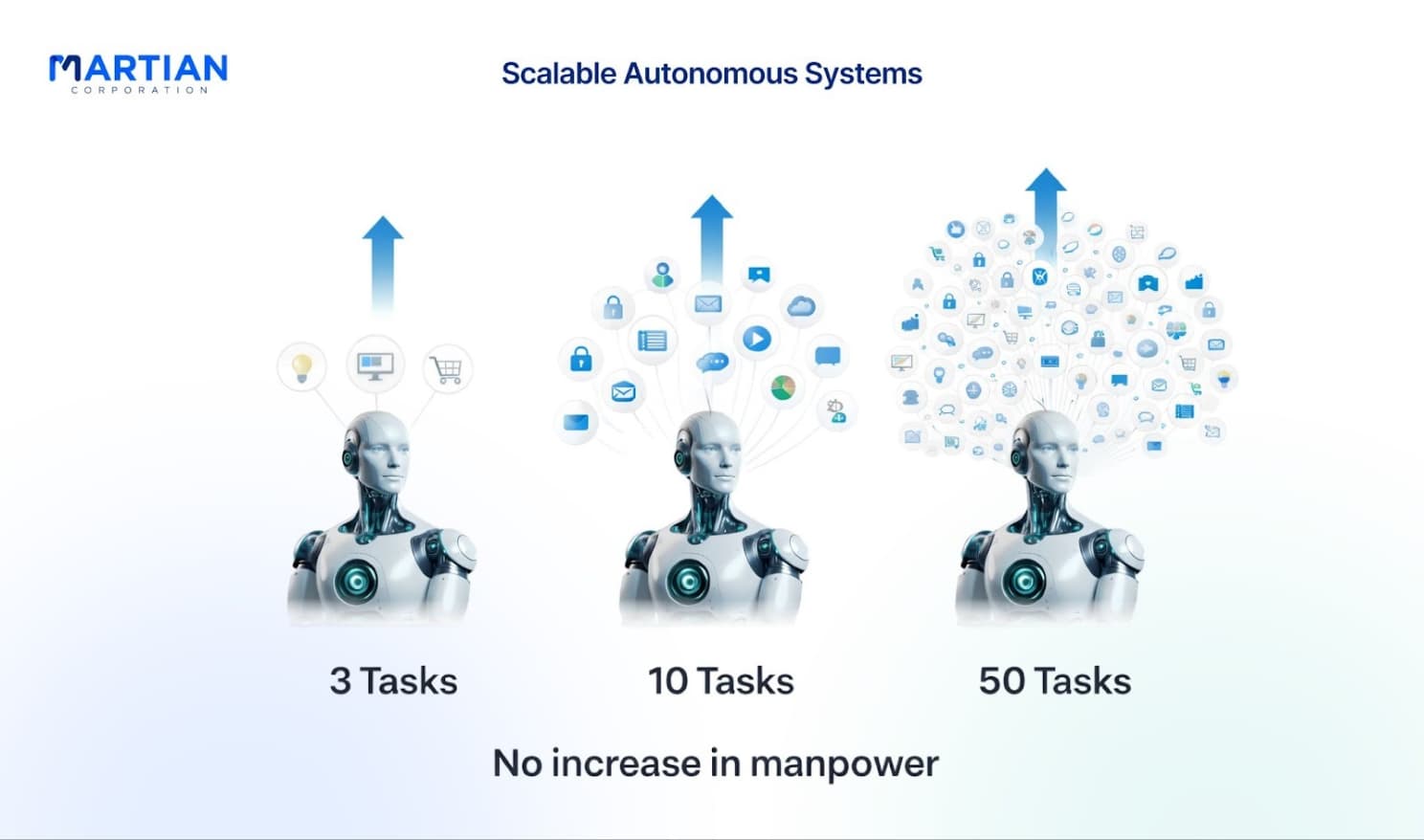
“Autonomous systems scale without friction.” As businesses grow, operational complexity increases. Traditional systems require more people to manage more work. Autonomous AI agents break that pattern by scaling without proportional increases in manpower.

More tasks, Same system, Better efficiency

This makes them particularly valuable for large enterprises handling high volumes of operations.

Article content

Challenges and Considerations

“Autonomy requires control and trust.” Despite the advantages, adopting autonomous systems requires careful planning. Businesses must ensure proper monitoring, security, and governance.

Freedom needs boundaries. Autonomy needs oversight.

Testing, clear guidelines, and continuous evaluation are essential to ensure these systems perform reliably and safely.

Impact on Enterprise Operations

“Operations become smarter, not just faster.” With autonomous AI agents, enterprises move beyond simple efficiency gains. Operations become more intelligent, data-driven, and proactive.

Systems don’t just execute tasks anymore. They anticipate, They optimize, They improve over time

This leads to better performance and more streamlined workflows across the organization.

The Future of Autonomous Systems

“Enterprises are moving toward self-operating systems.” The direction is clear. Businesses are gradually shifting toward systems that require minimal intervention.

Workflows that once needed constant supervision are becoming self-sustaining. Decisions are being made faster, and processes are becoming more adaptive.

Less control, More outcomes

Autonomous AI agents will play a central role in building these next-generation enterprise systems.

Article content

Conclusion

“The real shift is from managed systems to self-driven operations.” Autonomous AI agents are redefining how enterprises operate. They reduce manual effort, improve speed, and bring intelligence into everyday workflows.

This isn’t just about automation anymore. It’s about systems that can run, adapt, and evolve on their own.

And businesses that adopt this shift early will move faster, scale better, and operate smarter in the years ahead.

NewsLetter

Stay ahead in the world of technology

Get curated technology trends, expert analysis, and product updates delivered straight to your inbox — no noise, just signal.

Enter your email address

By subscribing you agree to our Terms and Conditions and Privacy Policy