Introduction
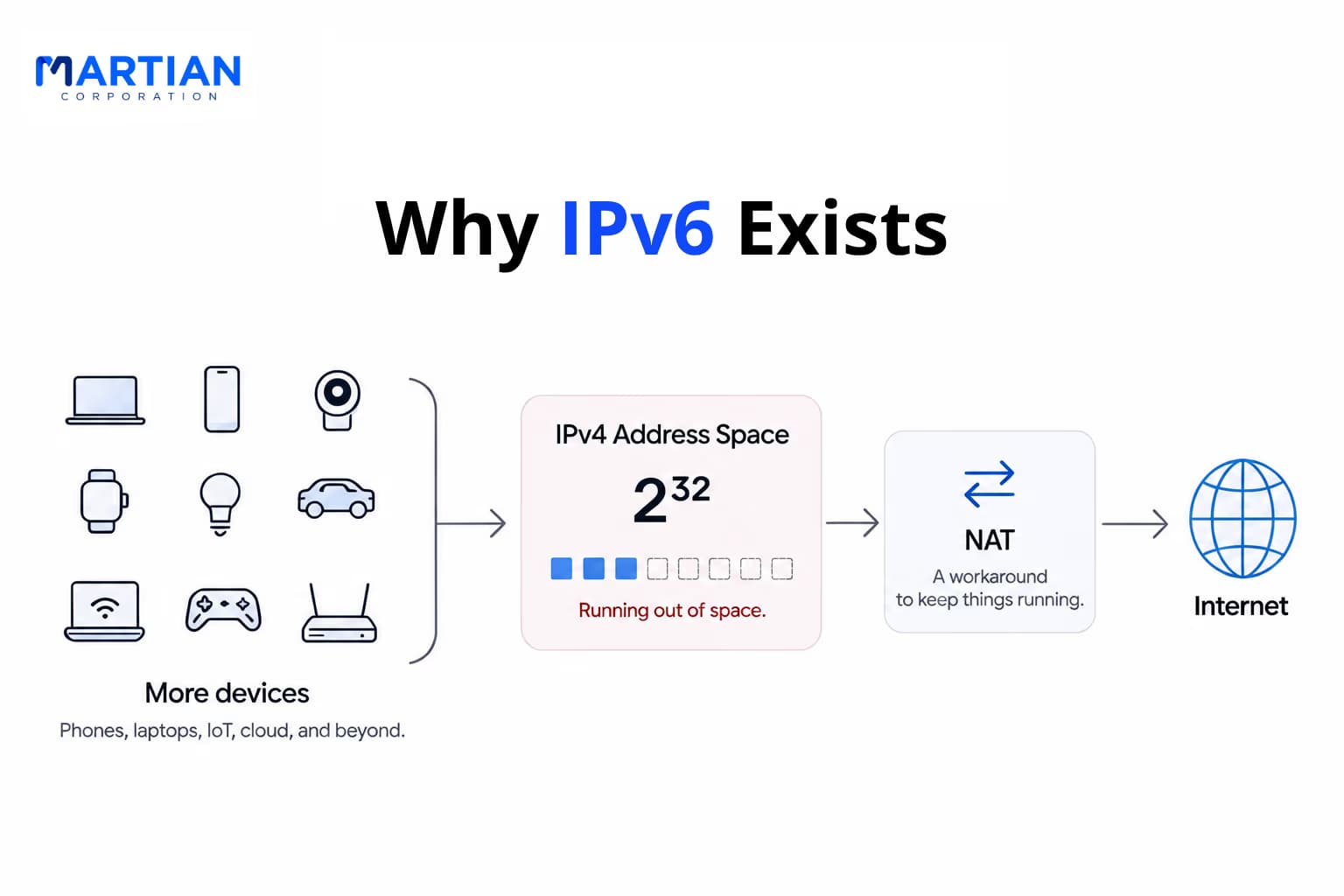
For most of your life online, the internet has quietly run on borrowed time. IPv4, the addressing system covered in our last article, was never built to support billions of phones, laptops, sensors, and smart devices online at once. Workarounds like NAT kept it running for years, but workarounds aren't the same as solutions.
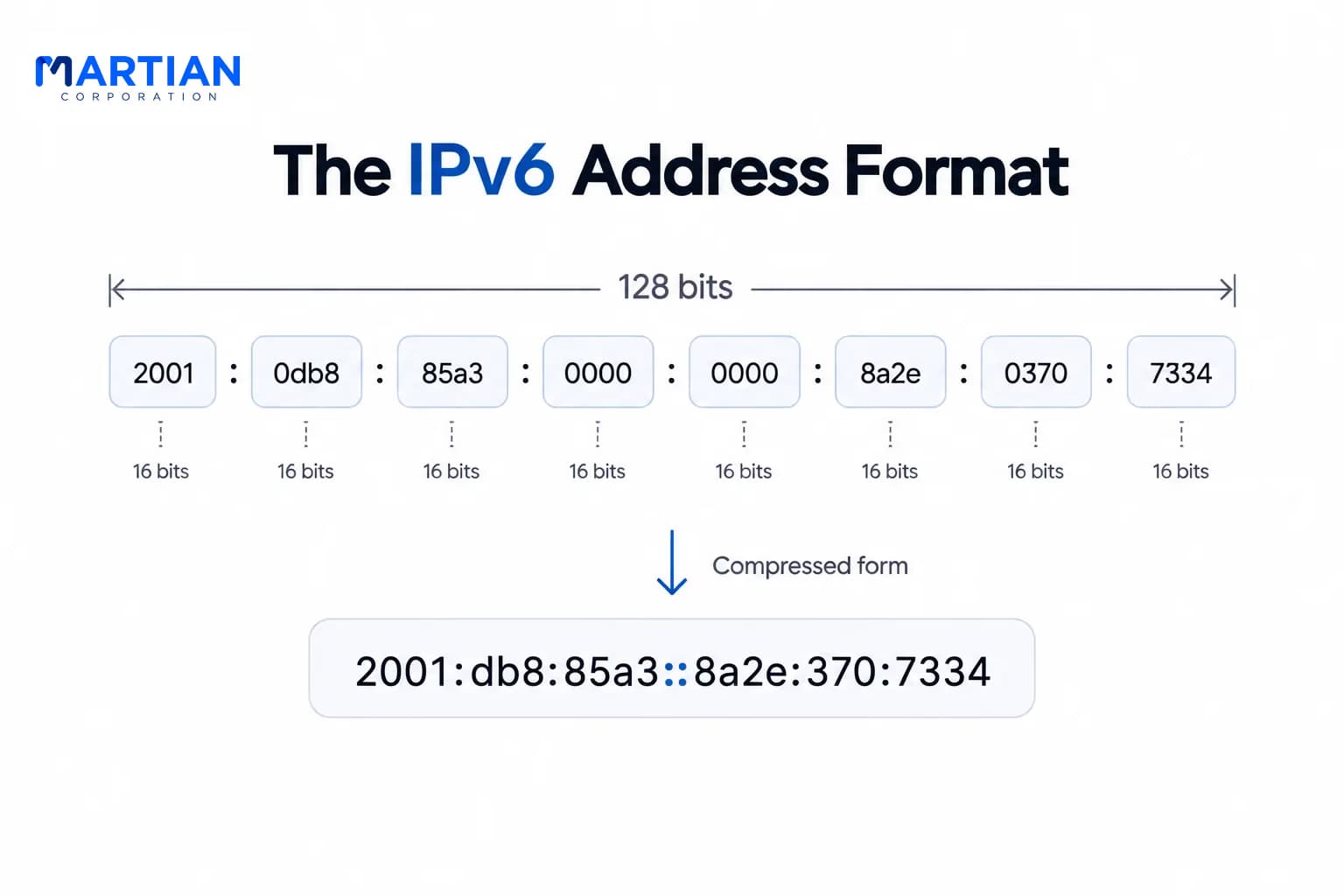
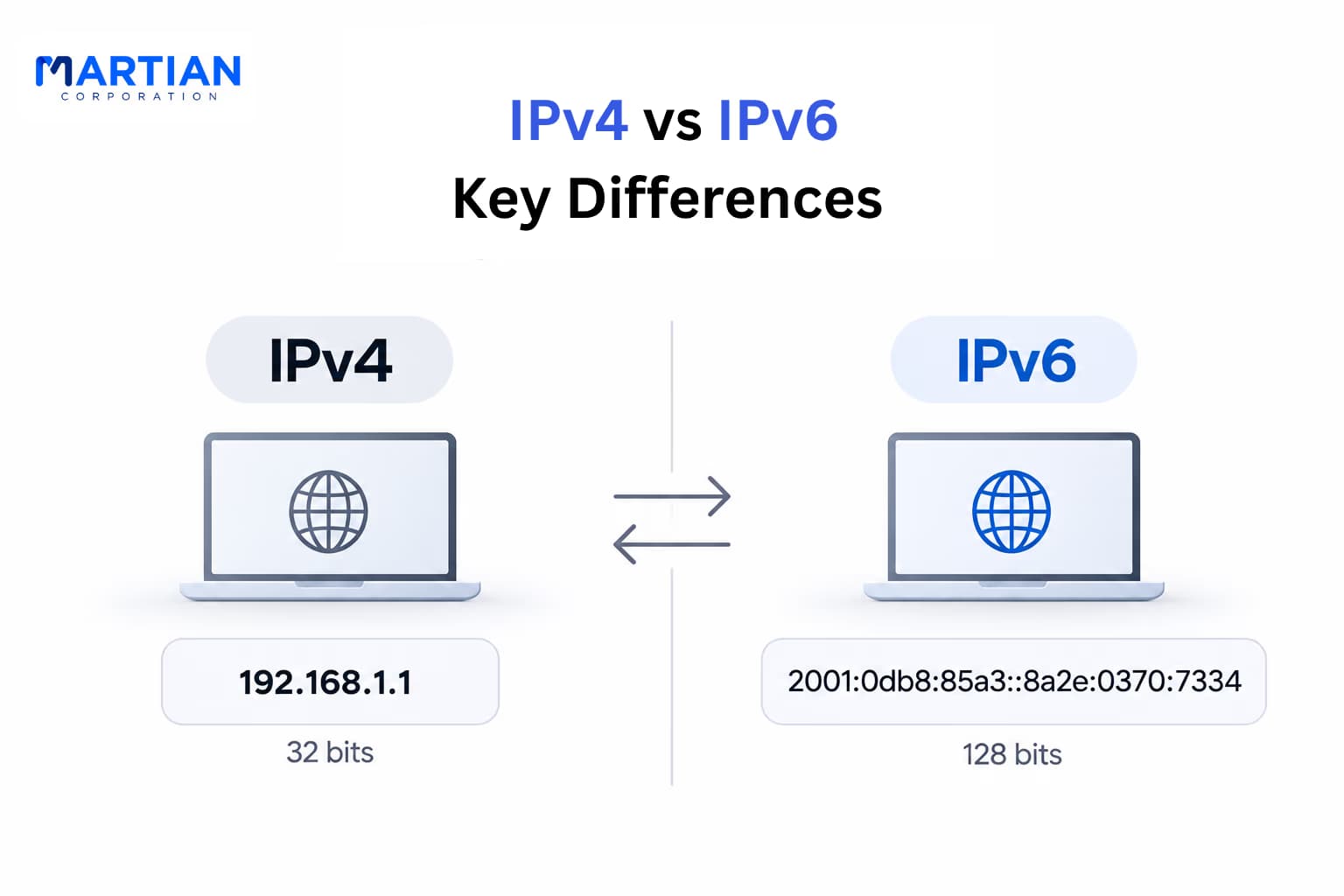
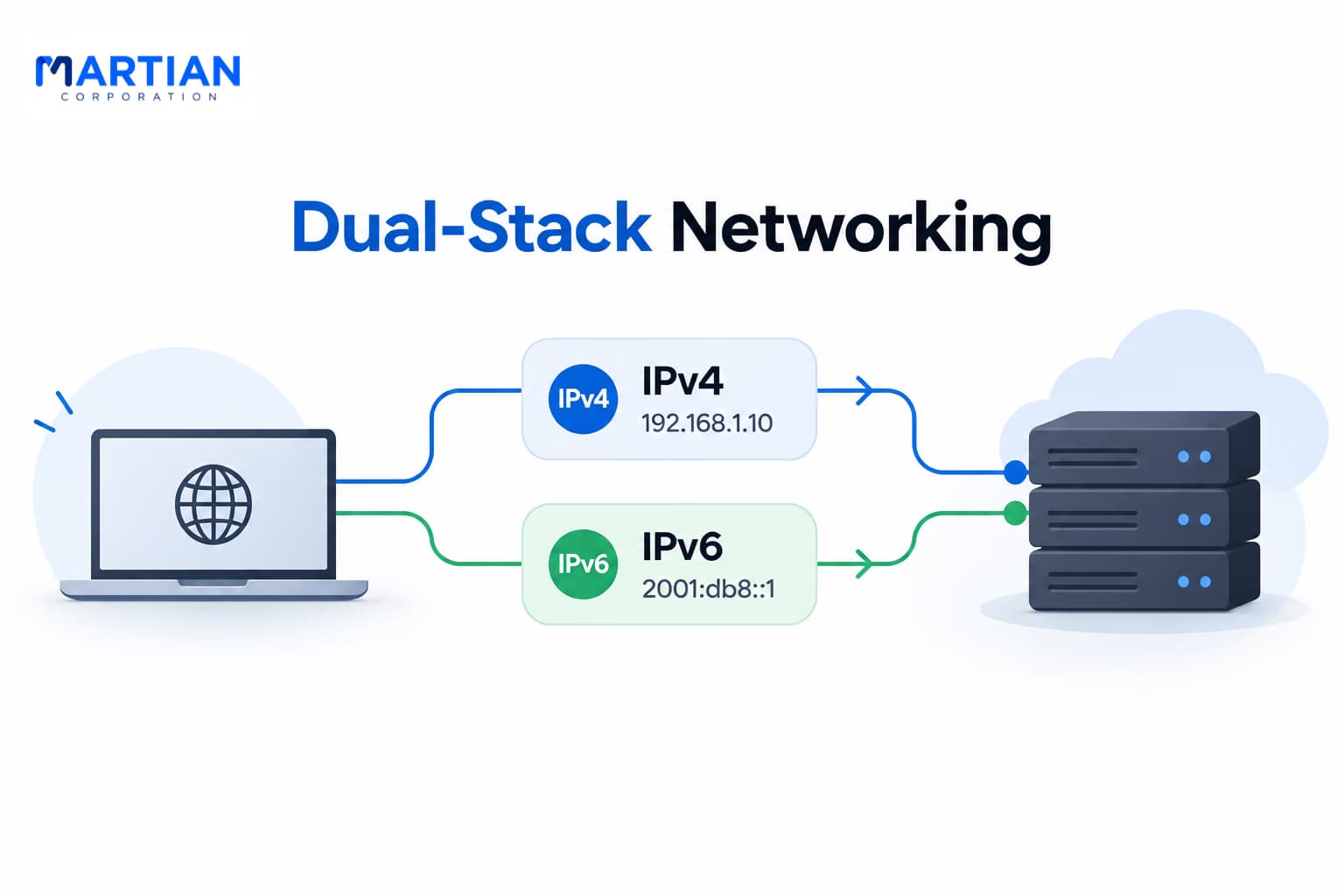
IPv6 is that solution — not a patch on top of IPv4, but a different address format entirely, built to solve the exhaustion problem for good. Understanding it means understanding why it exists, how its addresses are structured, what actually changed from IPv4, and how the transition is unfolding through dual-stack networks and real-world adoption today.
1. Why IPv6 Exists
"You don't redesign a system that's working — you redesign one that's running out of room."
Picture a city that issued exactly one license plate per resident, back when the population was small. Decades later, more people own multiple cars, and the city has no plates left to give — that's roughly the position IPv4 found itself in.
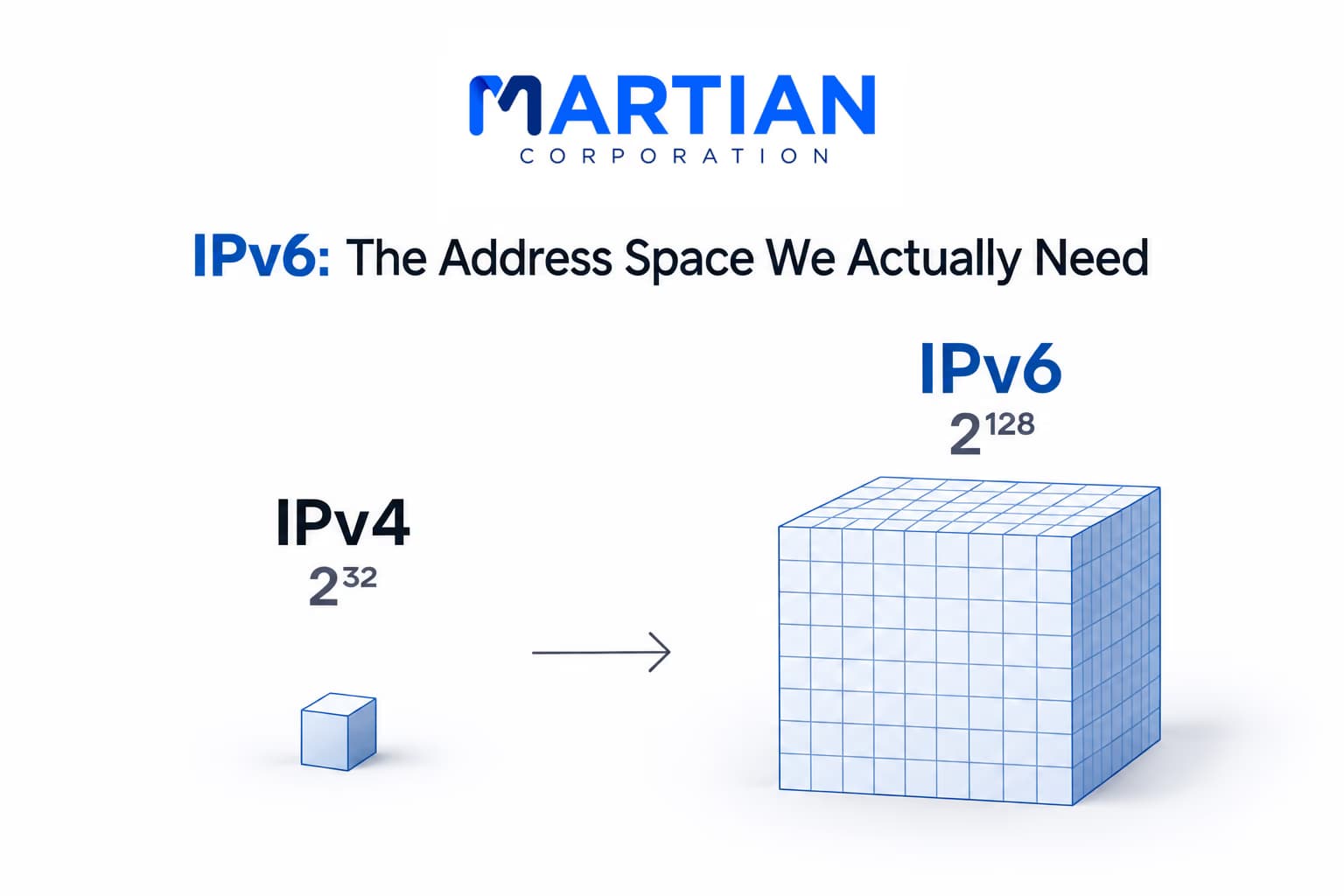
IPv4 offers 2³², or about 4.3 billion, unique addresses. That felt limitless when the protocol was designed, and stopped feeling that way once smartphones, IoT devices, and cloud servers each needed their own identity on the network. Address space that once seemed endless became genuinely scarce, forcing providers to ration it through NAT and careful allocation.
The deeper issue was structural, not just numerical: IPv4 was never designed for today's scale of routing, security, or automatic configuration. Rationing a shrinking resource can only go so far — at some point, the address space itself needs to grow. That's the problem IPv6 was created to solve, not by patching IPv4, but by starting from a much larger foundation. It's also why cloud providers, mobile carriers, and IoT platforms have pushed IPv6 hardest — they're the ones running out of room fastest.