All Blogs/Cloud Computing
19 Jun 2026
3 min read

How to Build Scalable Applications with Cloud Computing

How to Build Scalable Applications with Cloud Computing

By: Martian Corporation

Article content

Introduction

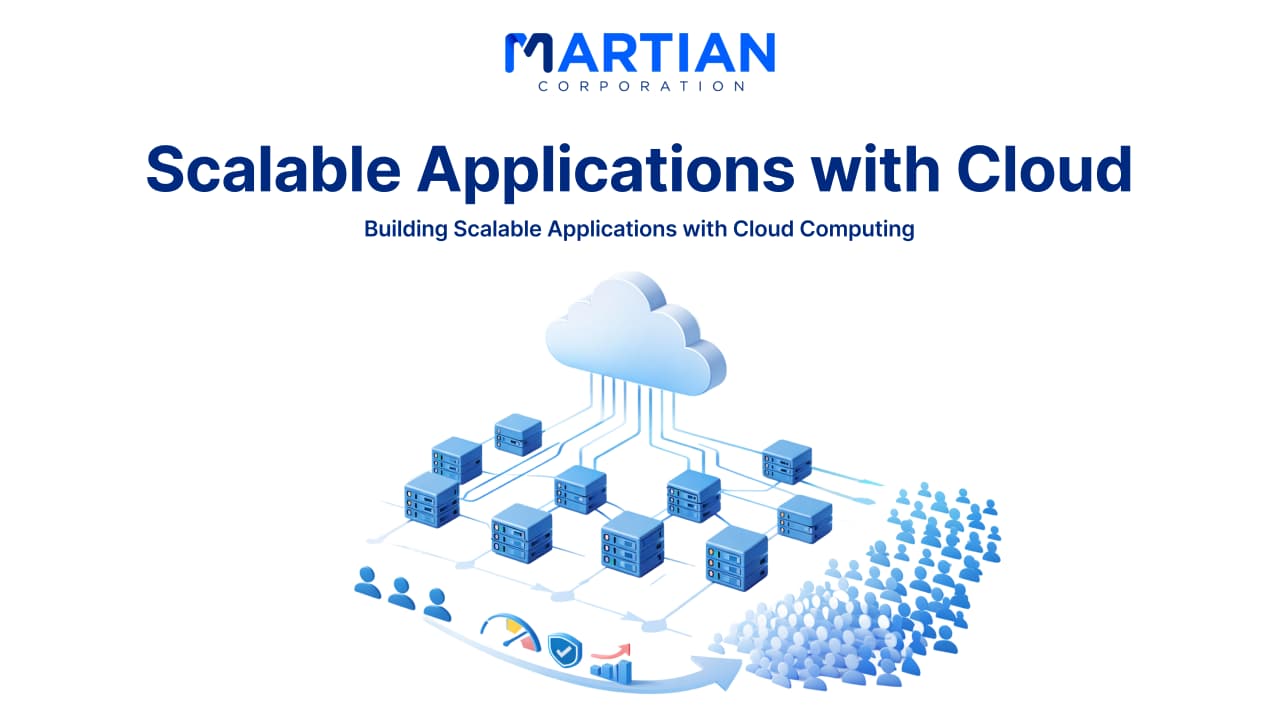
“A successful app isn’t the one that works for 100 users — it’s the one that still works for a million.” Modern applications must be ready to handle unpredictable growth. A sudden spike in users can either become a success story or a system failure, depending on how the app is built. Cloud computing allows businesses to design systems that scale automatically, ensuring performance remains stable as demand grows.

Building scalable applications today involves smart cloud architecture, load balancing, auto-scaling systems, and microservices that work together to keep applications fast and reliable.
Understanding Cloud-Based Architecture

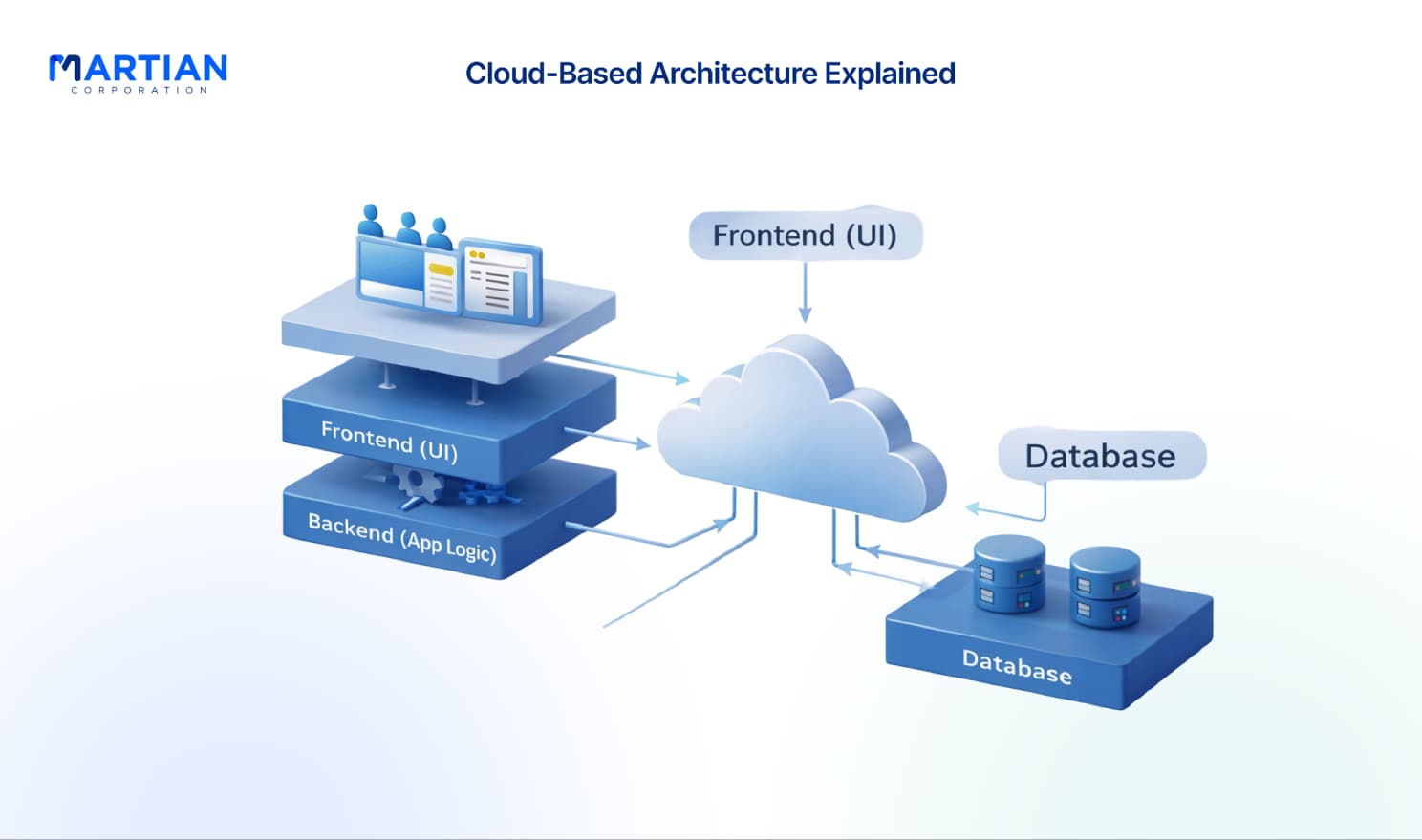
“Strong architecture prevents future bottlenecks.” Cloud architecture separates application components into distributed services instead of running everything on a single server. Databases, application logic, and user interfaces operate independently across cloud infrastructure.

This separation allows systems to scale individual components without affecting the entire application. If user traffic increases, only the necessary parts of the system expand, making performance more efficient and cost-effective.

Load Balancing for Traffic Management

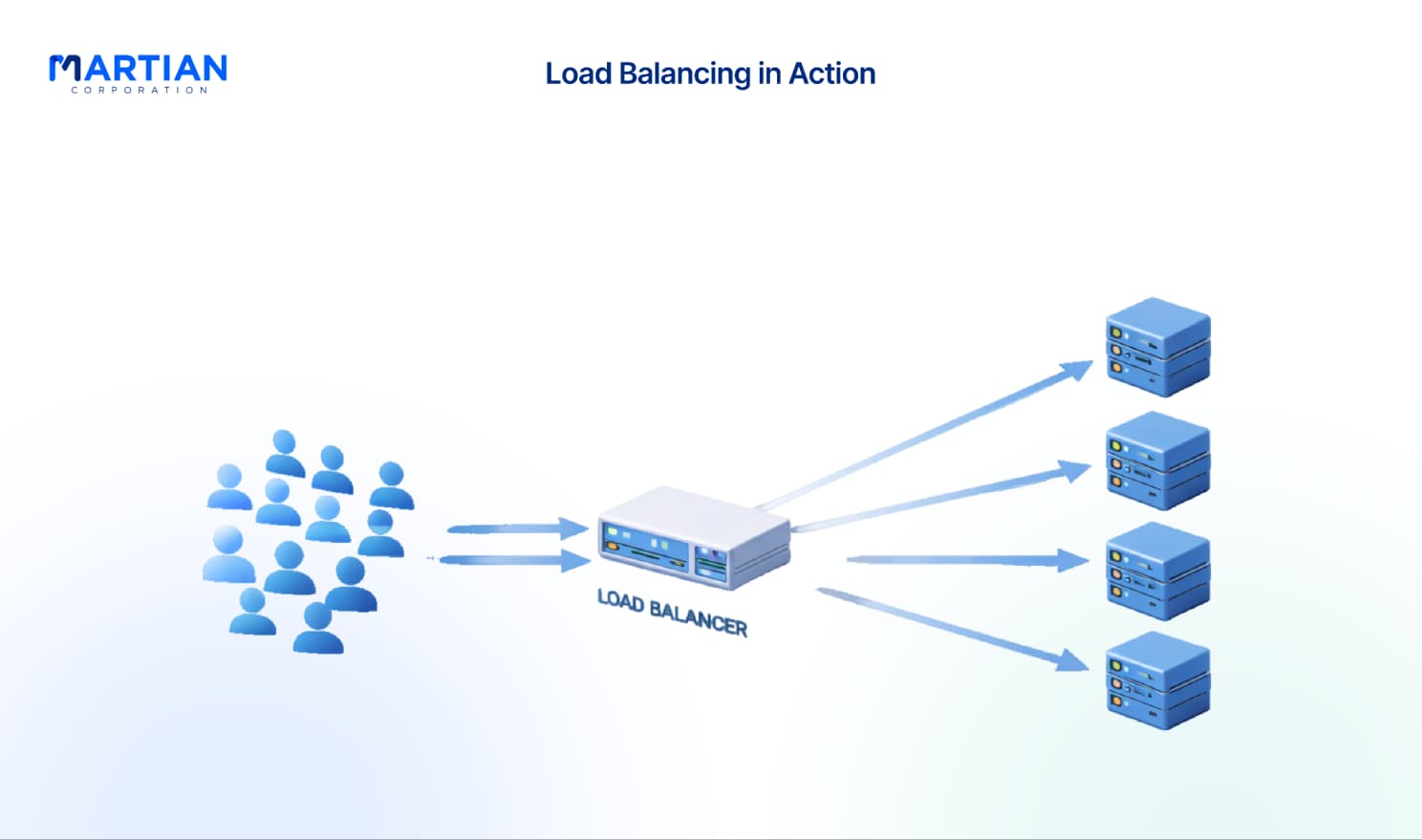
“Traffic spikes shouldn’t crash your app.” Load balancing distributes incoming user requests across multiple servers. Instead of overwhelming one machine, traffic is evenly shared across several instances running the same application.

This improves reliability and prevents downtime. If one server fails, others continue serving users without interruption. Cloud platforms automatically manage load balancers, making them essential for high-traffic applications.

Article content

Auto-Scaling for Dynamic Growth

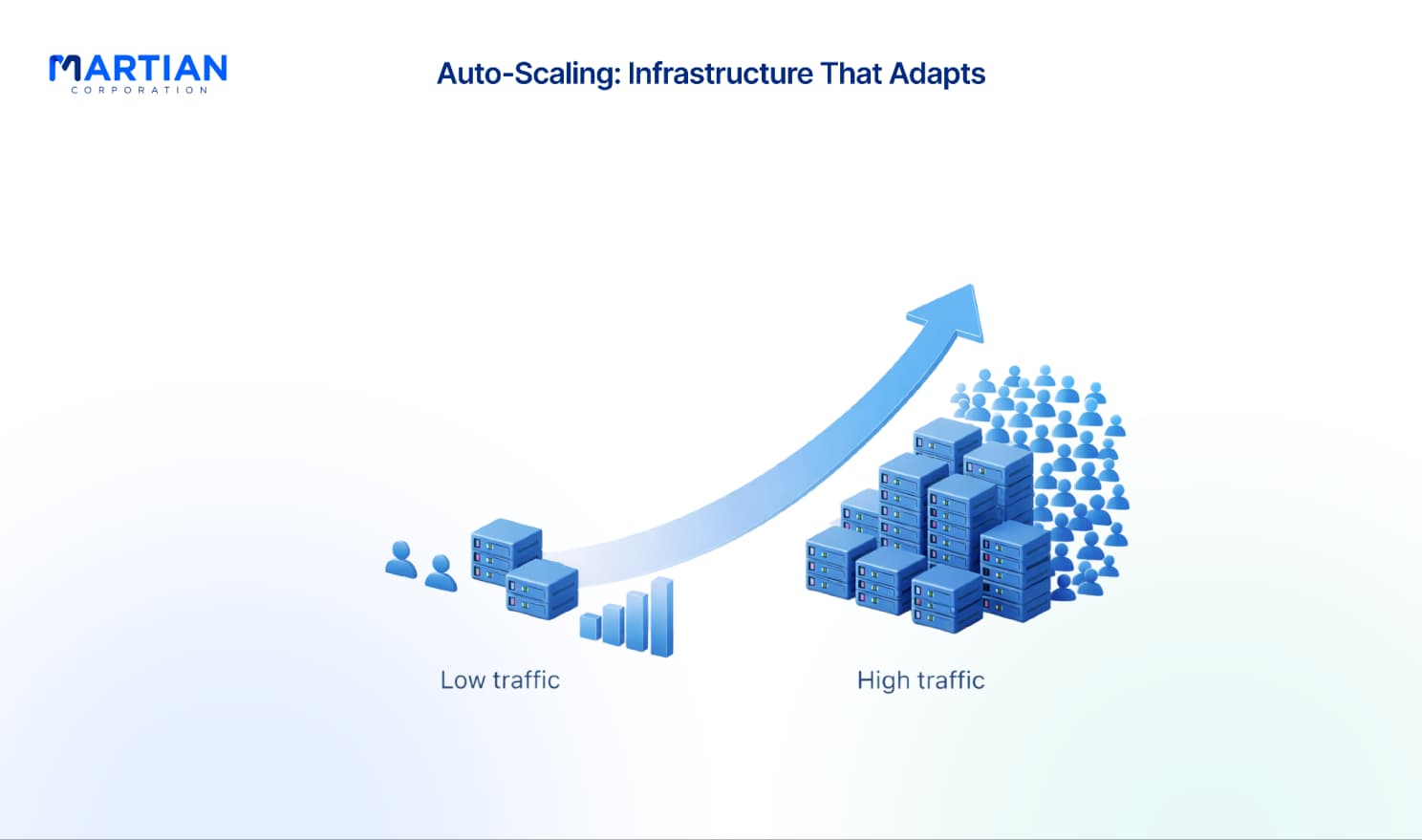
“Your infrastructure should grow with your users.” Auto-scaling allows cloud systems to increase or decrease resources automatically based on demand. When user activity rises, new server instances launch instantly. When traffic drops, unnecessary resources shut down to reduce costs.

This flexibility allows businesses to handle sudden demand spikes — such as product launches or viral traffic — without manual intervention.

Microservices for Modular Systems

“Breaking systems into smaller services makes them easier to scale.” Microservices architecture divides applications into independent services responsible for specific tasks, such as authentication, payments, or notifications.

Each service runs separately and communicates through APIs. This approach allows developers to update, scale, or fix one service without affecting the entire application, improving both scalability and development speed.

Conclusion

“Scalability isn’t a feature — it’s a design decision.” Cloud computing enables developers to build systems that grow seamlessly with user demand. By combining distributed architecture, load balancing, auto-scaling, and microservices, businesses can create applications that remain fast, reliable, and cost-efficient at any scale.

As digital platforms continue to expand, designing scalable systems from the start ensures your application is ready not only for today’s users — but for tomorrow’s growth as well.

Article content

NewsLetter

Stay ahead in the world of technology

Get curated technology trends, expert analysis, and product updates delivered straight to your inbox — no noise, just signal.

Enter your email address

By subscribing you agree to our Terms and Conditions and Privacy Policy