All Blogs/Cloud Computing
20 Jun 2026
3 min read

Cloud-Native Application Development: A Complete Guide for Modern Businesses

Cloud-Native Application Development: A Complete Guide for Modern Businesses

By: Martian Corporation

Article content

Introduction

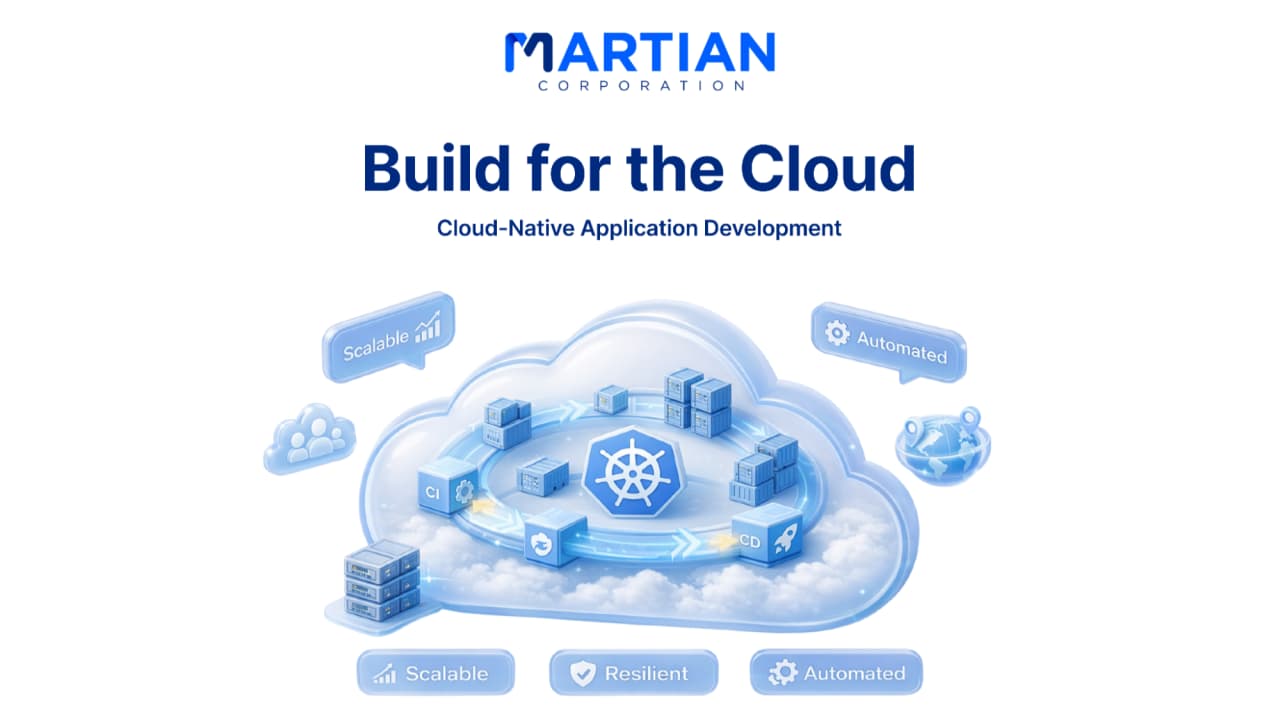
“Modern applications shouldn’t just run in the cloud — they should be built for it.” As businesses scale digitally, traditional monolithic systems struggle to keep up with the speed and flexibility modern products demand. Cloud-native development solves this by designing applications specifically for cloud environments. Instead of relying on rigid infrastructure, cloud-native systems use containers, orchestration tools, and automated workflows to create applications that can scale, update, and recover quickly.

For businesses, this means faster releases, improved reliability, and the ability to adapt to changing user demands without rebuilding entire systems.
Understanding Cloud-Native Architecture

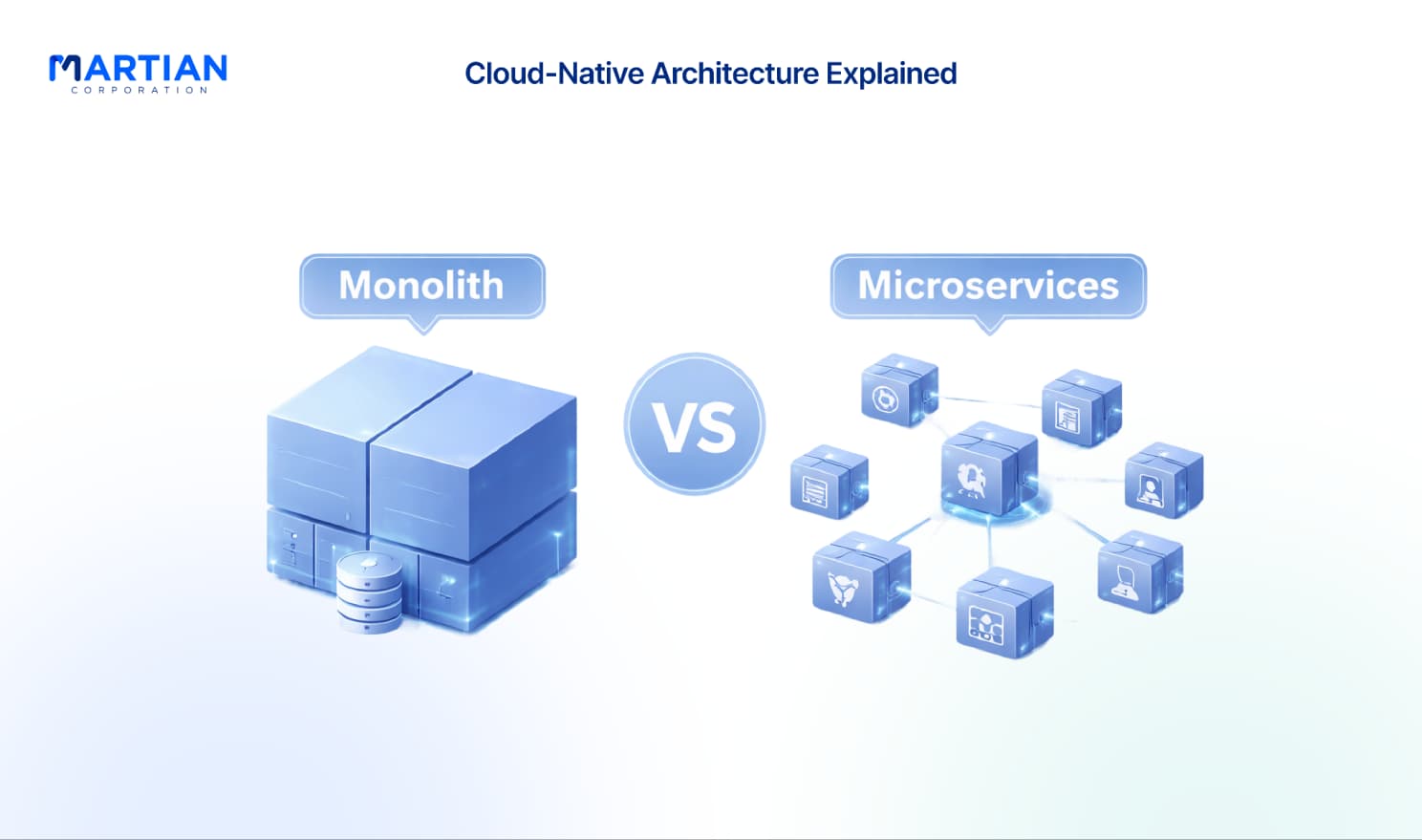
“Flexibility is the foundation of scalable systems.” Cloud-native architecture focuses on building applications as a collection of small, independent services rather than a single large system. These services communicate through APIs and can operate, update, and scale independently.

This approach allows teams to improve or replace one service without affecting the entire application. If a particular feature suddenly receives heavy traffic, only that service needs to scale instead of the whole system. As a result, applications become more resilient, easier to maintain, and better suited for rapid development cycles.

Containerization with Docker

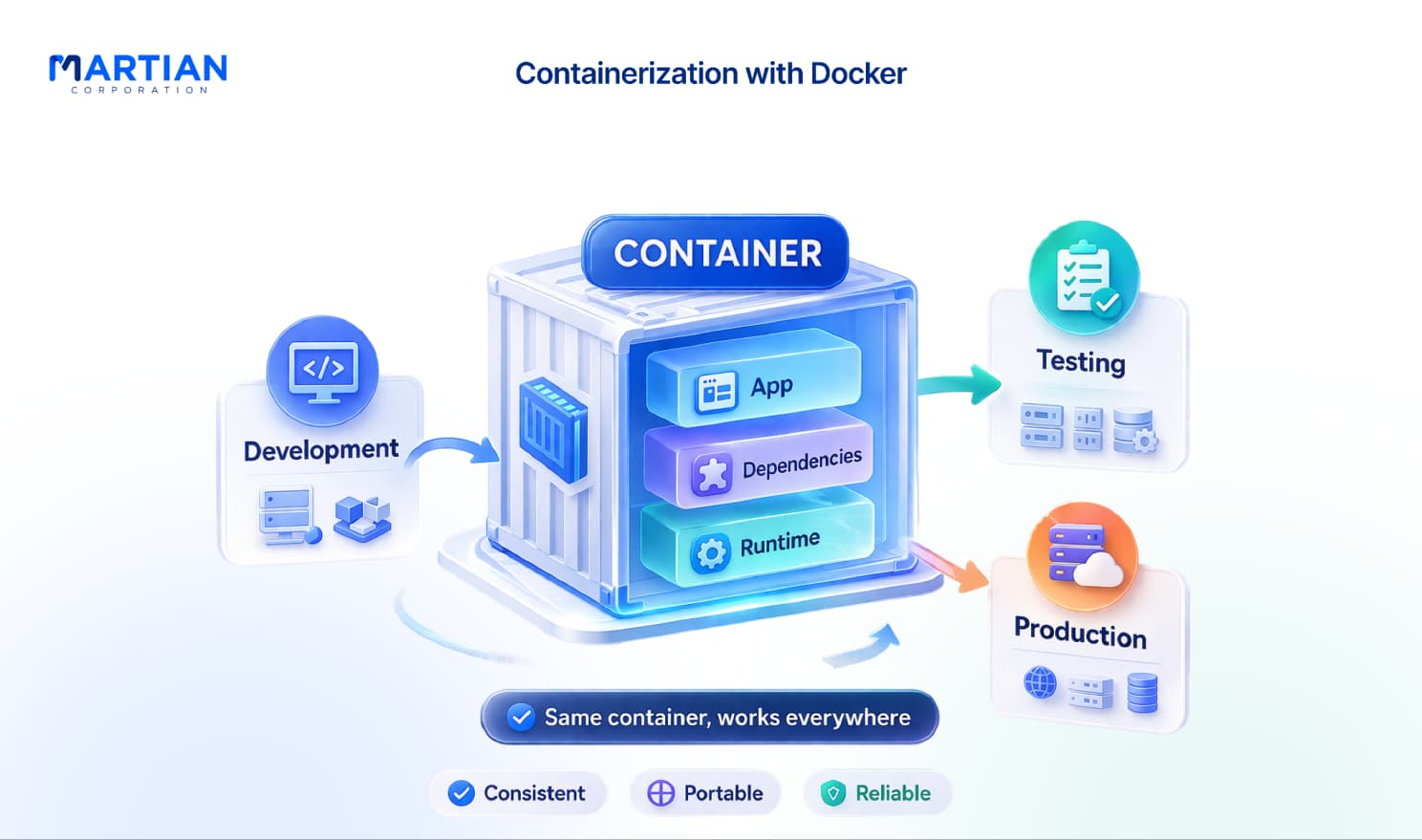
“Containers make software portable and predictable.” Containerization packages an application together with its dependencies into a lightweight, portable environment. Docker is the most widely used container platform, allowing developers to run applications consistently across development, testing, and production.

Instead of configuring environments manually, teams deploy containers that behave the same everywhere. This eliminates compatibility issues and makes deployments faster and more reliable. Containers also use fewer resources than traditional virtual machines, making them efficient for cloud environments.

Article content

Kubernetes and Container Orchestration

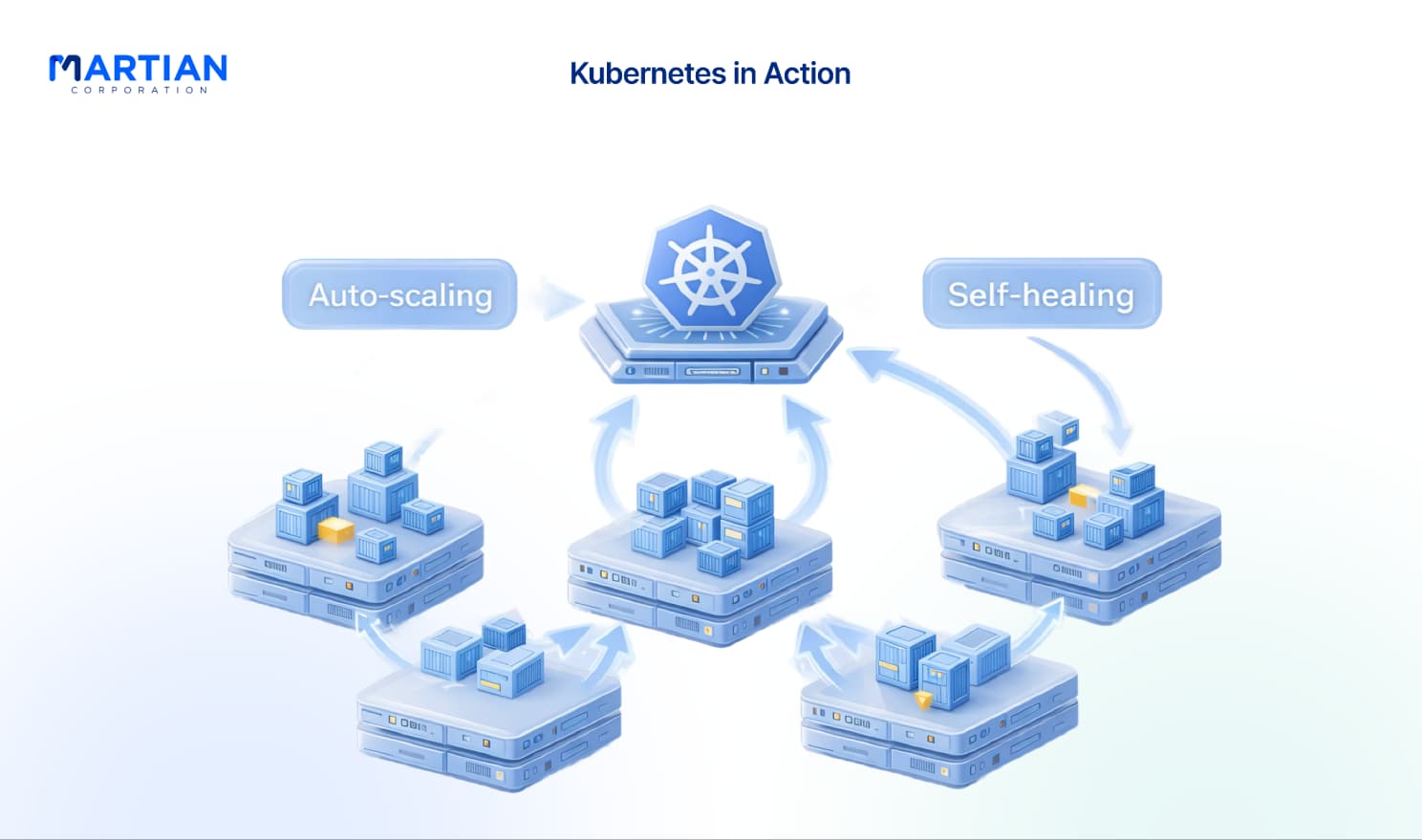
“Automation is essential when systems grow.” Running a few containers manually is manageable, but modern applications often involve hundreds or thousands of services. Kubernetes solves this challenge by automating container deployment, scaling, and management.

It distributes workloads across servers, replaces failed containers automatically, and scales applications based on traffic demand. With Kubernetes, businesses can maintain stable services even during sudden spikes in usage, ensuring consistent performance for users.

DevOps and Continuous Delivery

“Fast innovation requires fast deployment.” Cloud-native applications rely heavily on DevOps practices that bring development and operations teams closer together. Automated pipelines allow code changes to be tested, built, and deployed continuously.

With CI/CD systems in place, updates can be delivered quickly and safely without disrupting users. This approach allows companies to release new features frequently while maintaining system reliability.

Why Businesses Are Adopting Cloud-Native Development

“Adaptability is the real competitive advantage.” Companies adopting cloud-native strategies can scale their services globally, improve reliability, and respond quickly to market changes. Startups use cloud-native systems to launch products quickly, while enterprises rely on them to modernize legacy infrastructure.

Because services operate independently, failures in one component do not bring down the entire system. This resilience makes cloud-native architecture ideal for high-traffic digital platforms.

Article content

Conclusion

“Cloud-native development turns applications into living systems.” By combining containerization, Kubernetes orchestration, DevOps automation, and modular architecture, cloud-native development enables businesses to build software that evolves continuously.

In today’s digital economy, organizations that adopt cloud-native practices gain the ability to innovate faster, scale effortlessly, and deliver reliable experiences to users worldwide.

NewsLetter

Stay ahead in the world of technology

Get curated technology trends, expert analysis, and product updates delivered straight to your inbox — no noise, just signal.

Enter your email address

By subscribing you agree to our Terms and Conditions and Privacy Policy