All Blogs/AI Agents
26 Apr 2026
5 min read

How AI Agents Will Replace Traditional Software Workflows

How AI Agents Will Replace Traditional Software Workflows

By: Martian Corporation

Article content

Introduction

“Software is no longer something you use — it’s becoming something that works for you.” For years, using software has meant doing things manually. Clicking through dashboards, switching between tabs, entering data, and managing each step of a process yourself. It works, but it’s slow, repetitive, and often frustrating.

Now that model is starting to change. AI agents are introducing a new way of interacting with software—one where you don’t manage every step. Instead, you define what needs to be done, and the system handles how it gets done.

You don’t operate the system anymore. You guide it. And it moves forward.
What Are Traditional Software Workflows

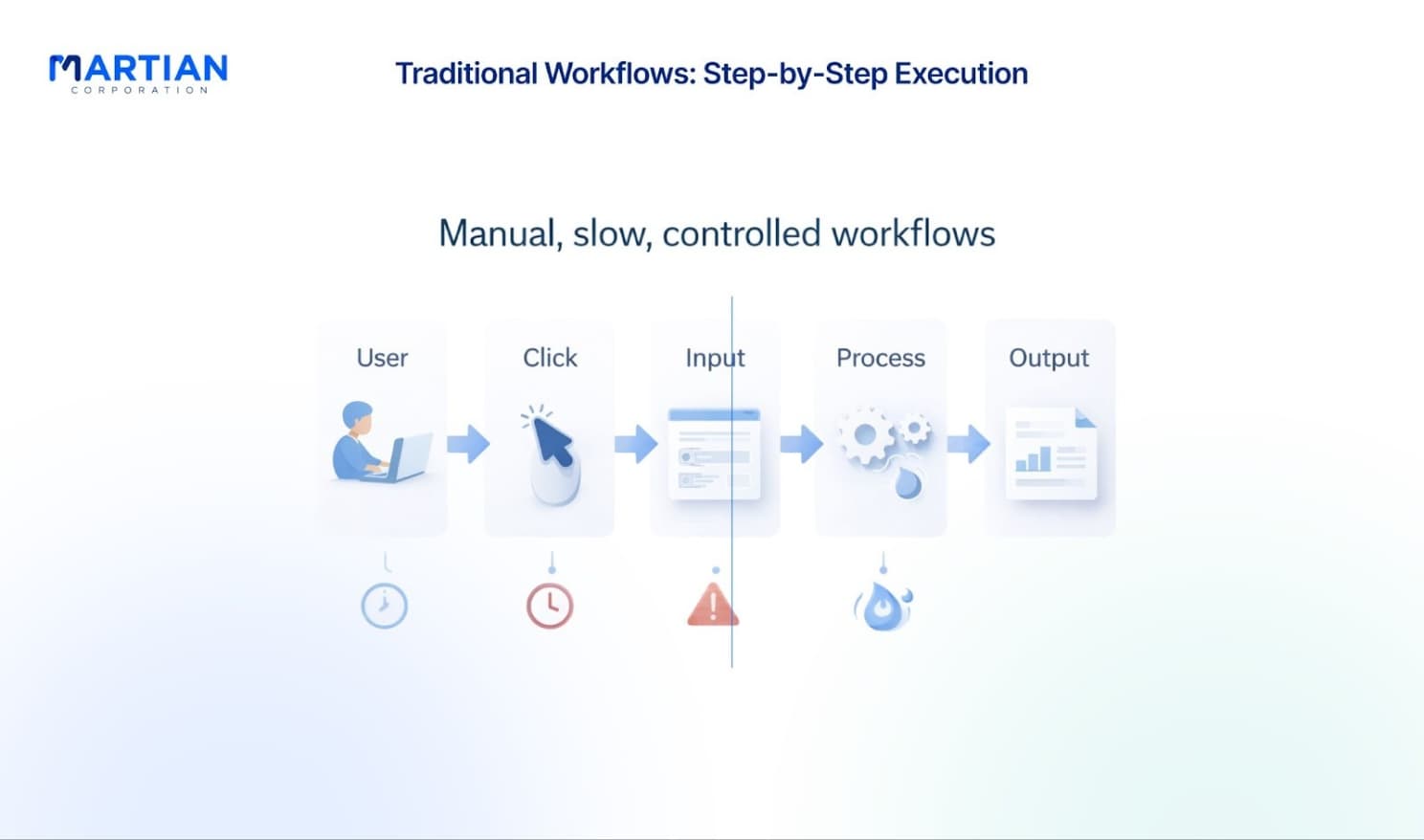
“Traditional workflows depend on human effort at every step.” Most software today is built around control. The user is responsible for triggering every action, whether it’s sending an email, updating a record, or generating a report. Each step requires attention, input, and validation.

This structure creates friction. It slows down processes and increases the chances of small errors that can affect larger outcomes. It also means that even simple workflows demand constant involvement, making them hard to scale efficiently.

Step by step, Click by click, Nothing moves without you

How AI Agents Change the Workflow Model

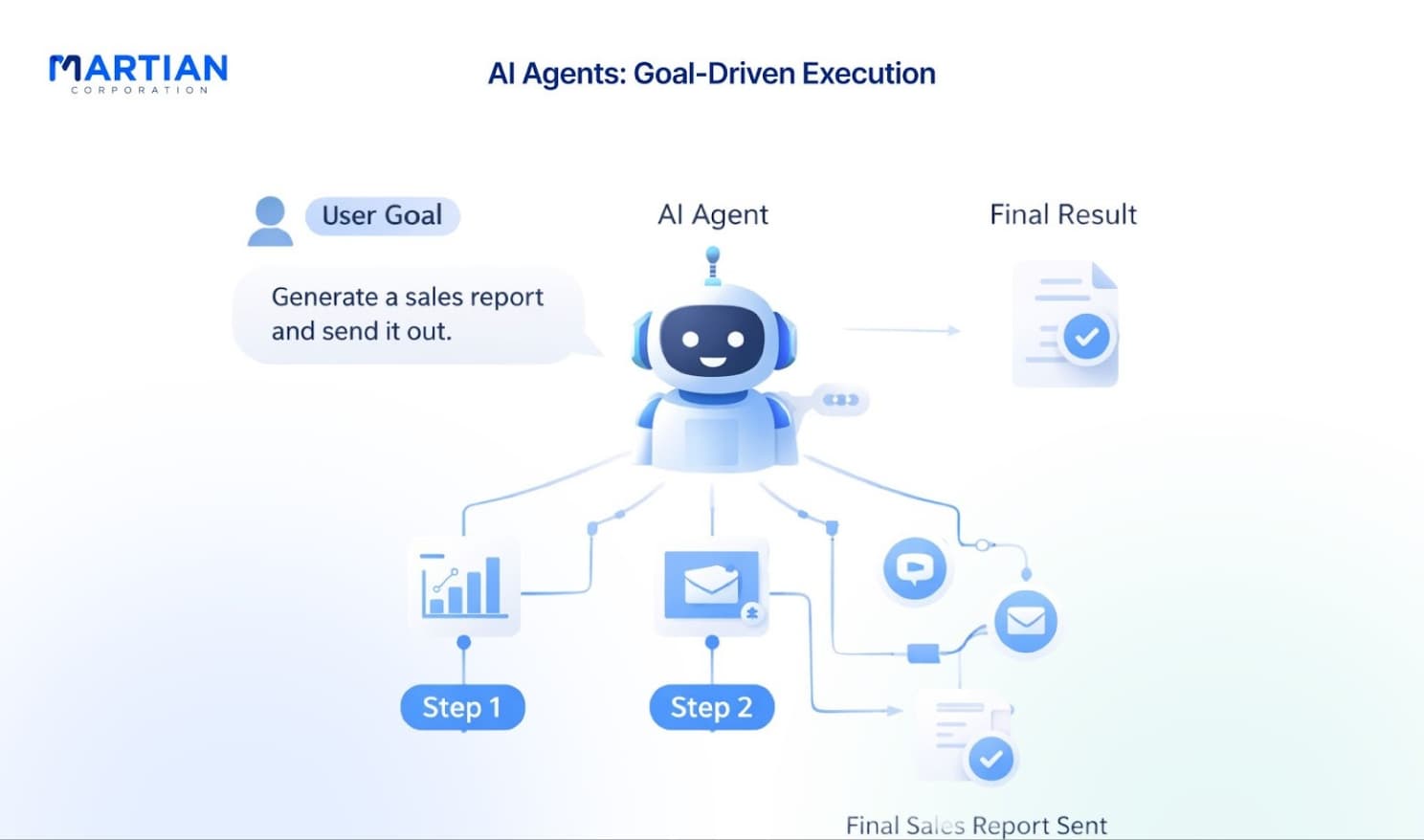
“AI agents turn step-by-step processes into seamless execution.” AI agents shift the responsibility from the user to the system. Instead of managing individual actions, you provide a goal. The agent then breaks that goal into smaller tasks, executes them, and adjusts as needed along the way.

This removes the need for constant supervision. The workflow becomes continuous instead of interrupted. Tasks flow naturally without waiting for manual triggers at every stage.

You don’t guide every step, You define the outcome, The system handles the path

Article content

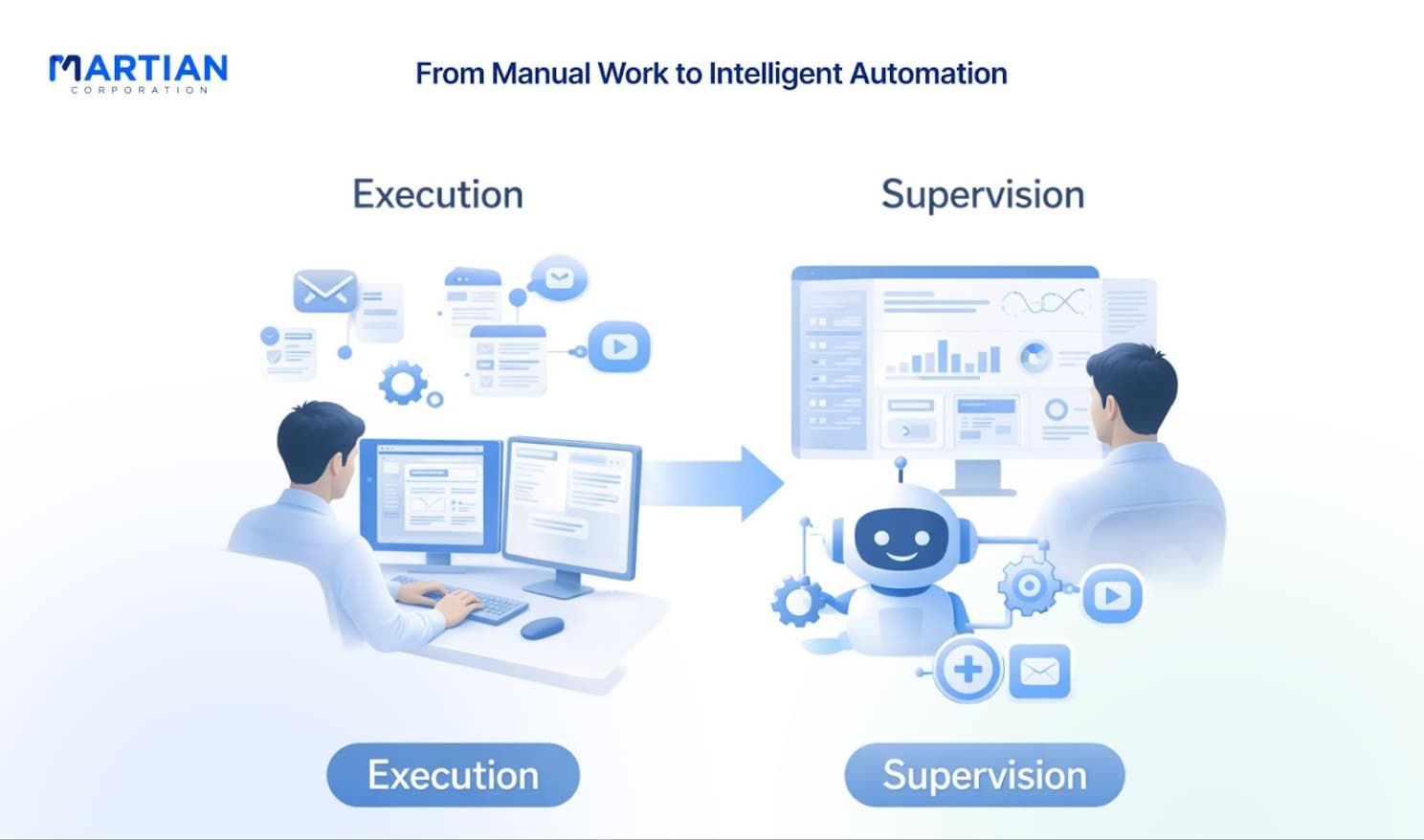
From Manual Execution to Intelligent Automation

“Workflows are shifting from control to delegation.” This shift is not just technical—it changes how work feels. Instead of spending time executing repetitive steps, users can focus on defining what matters. The system takes care of the rest.

Delegation becomes the default. You move from doing the work to overseeing it. This leads to faster execution and reduces the mental load of managing small, repetitive actions.

Less control over steps, More control over results, Better use of time

Integration Across Multiple Systems

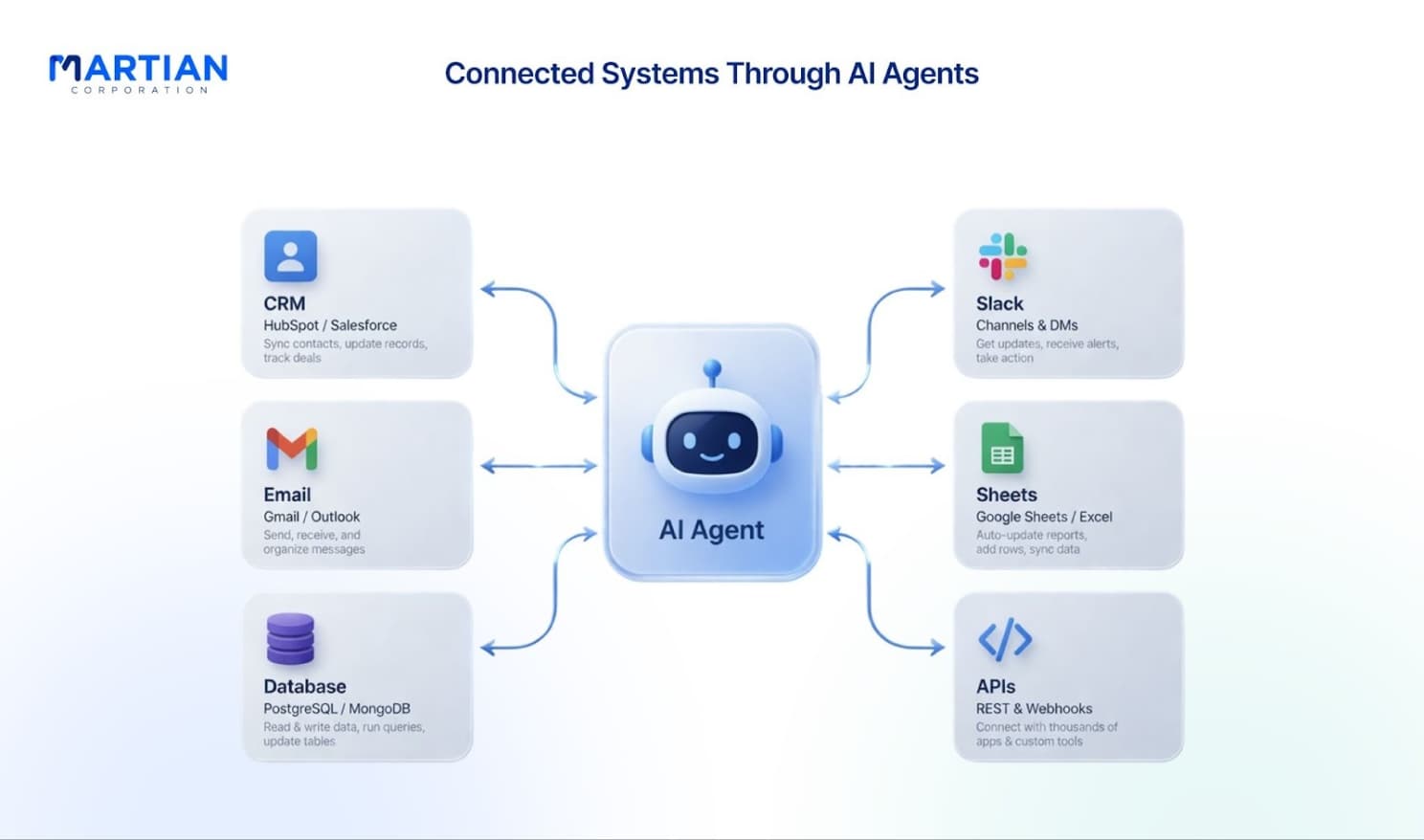
“Workflows become powerful when systems start talking to each other.” Modern workflows rarely exist in one place. They involve multiple tools—databases, dashboards, communication platforms, and APIs. Traditionally, users had to move between these systems manually.

AI agents remove that boundary. They can connect across platforms, pull data from one system, process it, and update another without interruption. This creates a more unified and efficient workflow experience.

No switching between tools, No repeated inputs, Just connected execution

Real-Time Decision Making

“Speed improves when systems can think and act instantly.” Traditional workflows often pause between steps, waiting for human decisions. AI agents remove that delay by analyzing data and acting in real time.

This allows systems to respond immediately. Approvals can be automated, insights can trigger actions, and processes can continue without waiting. The result is faster operations and better responsiveness.

No waiting, No bottlenecks, Just continuous flow

Article content

Adaptive and Dynamic Workflows

“Smart systems adjust instead of following fixed paths.” Traditional workflows are rigid. They follow predefined rules and struggle when conditions change. AI agents, on the other hand, can adapt based on context.

They can modify actions depending on new data, unexpected inputs, or changing priorities. This flexibility makes workflows more resilient and better suited for real-world scenarios where things rarely go exactly as planned.

Not fixed, Not rigid, Always adjusting

Reduced Operational Complexity

“Simpler systems are easier to scale and manage.” As workflows grow, managing them becomes more complex. Multiple tools, dependencies, and manual steps create overhead. AI agents simplify this by handling processes within a unified system.

This reduces the need for constant coordination and monitoring. Systems become easier to manage, and errors decrease because fewer manual steps are involved.

Less coordination, Fewer errors, Cleaner systems

Impact on Productivity and Teams

“Automation frees people to focus on what actually matters.” When repetitive tasks are handled by AI agents, teams can shift their focus to higher-value work. Instead of spending time on execution, they can concentrate on strategy, creativity, and decision-making.

AI agents don’t replace teams—they support them. They act as a layer that removes unnecessary effort and allows people to work more effectively.

Less routine work, More meaningful work, Better outcomes

Article content

The Future of Software Workflows

“The future of software is intelligent and self-operating.” As AI agents become more advanced, the idea of manually managing workflows will start to fade. Systems will become more proactive, handling tasks automatically and requiring minimal input.

Users will move from operators to supervisors. Instead of interacting with software step by step, they will define goals and let systems execute them.

You won’t manage processes, You’ll guide systems, And results will follow

Conclusion

“The way we work with software is quietly being rewritten.” For a long time, software depended on us to move things forward. Every click, every step, every action needed human input. That model made sense when systems were limited.

But now, that responsibility is starting to shift.

AI agents are not just improving workflows — they are changing who drives them. Instead of constantly managing processes, we’re beginning to step back and let systems handle execution while we focus on direction.

Work doesn’t stop. It just moves differently.

And over time, that difference will redefine what “using software” actually means.

NewsLetter

Stay ahead in the world of technology

Get curated technology trends, expert analysis, and product updates delivered straight to your inbox — no noise, just signal.

Enter your email address

By subscribing you agree to our Terms and Conditions and Privacy Policy