All Blogs/AI Agents
26 Apr 2026
4 min read

AI Agents Explained: The Next Evolution of Artificial Intelligence

AI Agents Explained: The Next Evolution of Artificial Intelligence

By: Martian Corporation

Article content

Introduction

“AI is no longer just answering questions — it’s starting to take action.” A couple of years ago, AI felt like a smarter version of search. You asked something, it responded, and that was enough. It helped, but it didn’t move things forward.

Now something is changing. AI is no longer just reacting — it’s beginning to execute. It can take a task, understand it, and actually complete it. From writing emails to analyzing data to managing workflows, AI is slowly stepping into roles that used to require constant human involvement.

You don’t just ask anymore. You assign. And it gets done.
What Are AI Agents

“An AI agent doesn’t just reply — it follows through.” An AI agent is a system designed to take a goal and work toward completing it. Unlike traditional AI tools that stop at providing information, agents go further. They can make decisions, interact with different tools, and execute multiple steps to reach an outcome.

This shift changes how we interact with technology. Instead of guiding every action, you define what needs to be done and let the system handle the process. It’s less about instructions and more about intent.

From response → to execution From help → to ownership

How AI Agents Work

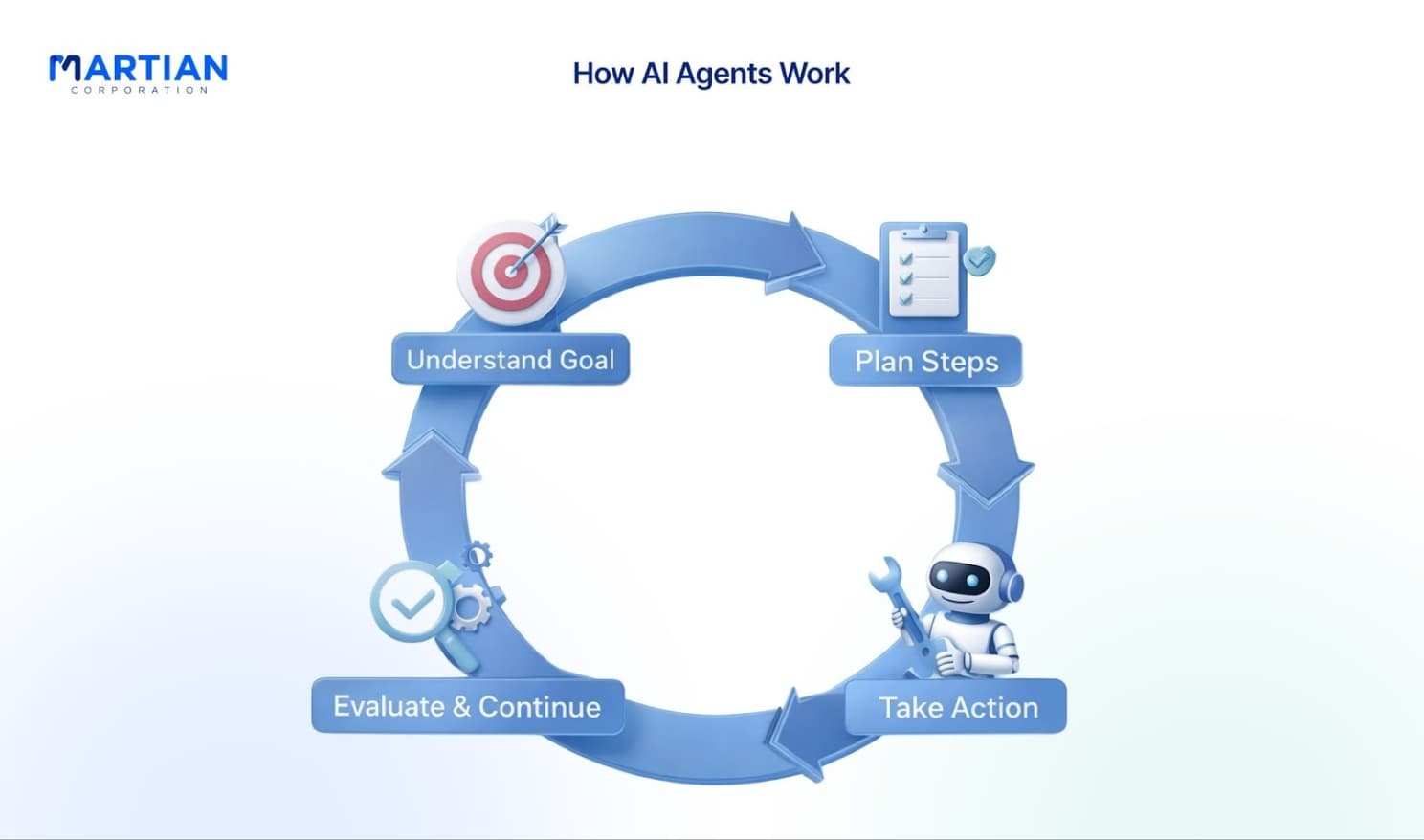
“It’s a loop that continues until the goal is achieved.” AI agents operate through a continuous cycle. They begin by understanding the task, then break it into smaller steps. After that, they take action using available tools or data. Once a step is completed, they evaluate the result and decide what to do next.

What makes this powerful is persistence. The agent doesn’t stop after one action. It keeps working through the process until the objective is completed, making it feel less like software and more like a system that actively works in the background.

Understand the goal, Act on it, and move forward

Article content

Where AI Agents Are Being Used

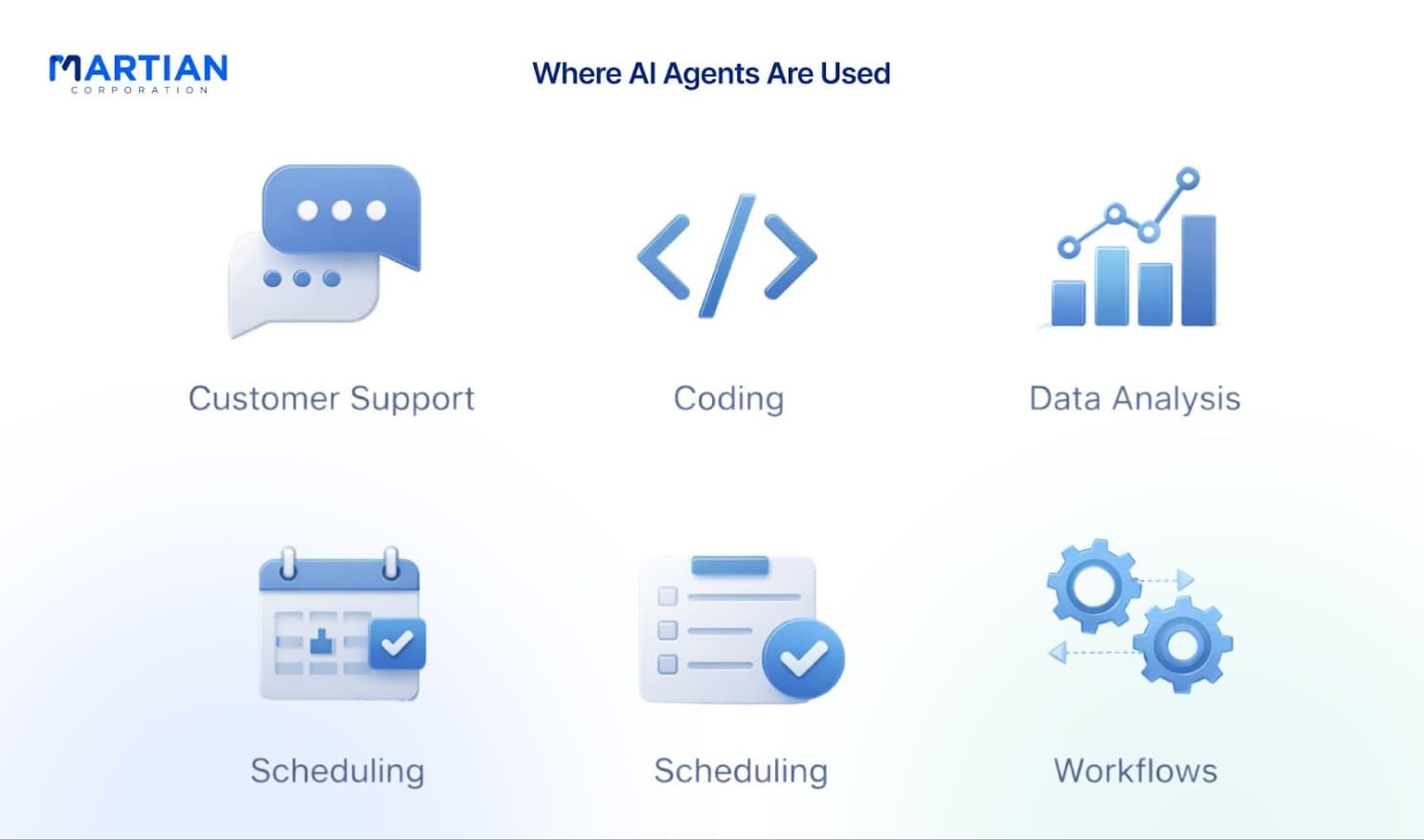
“They’re already part of real systems — just not always visible.” AI agents are already being used across industries. In customer support, they are resolving issues instead of just responding to queries. In development, they assist in writing and debugging code. In business operations, they handle repetitive workflows like reporting, scheduling, and data processing.

Some teams are even experimenting with using AI agents to manage significant parts of their daily operations. While not perfect, these systems are already reducing manual effort and improving efficiency.

Work gets handled. Tasks keep moving without constant follow-ups

Why AI Agents Are Important

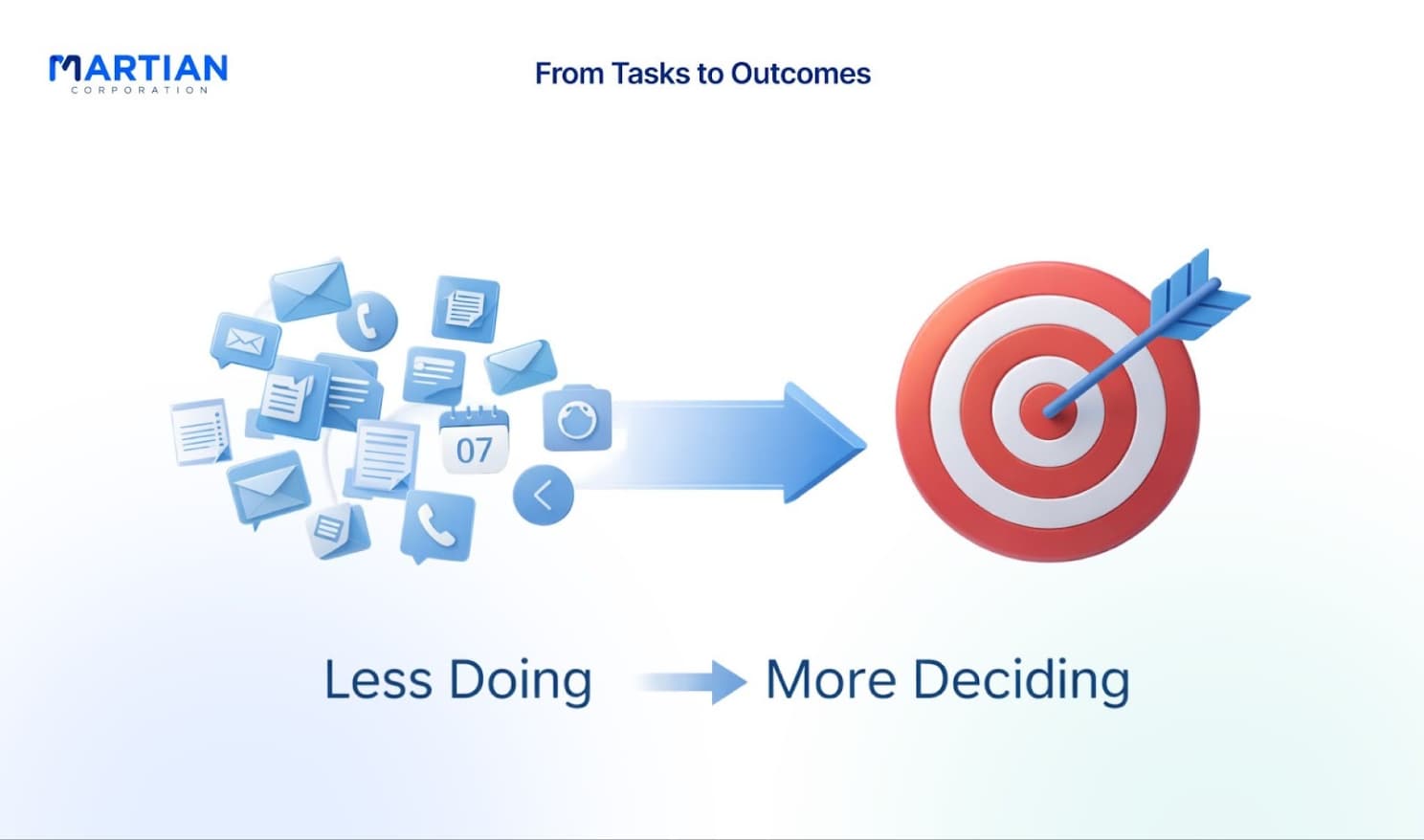
“They shift focus from tasks to outcomes.” Most of our work today involves repetitive actions. Small tasks that take time but don’t necessarily require deep thinking. AI agents take over these layers, allowing individuals to focus on higher-value work like planning, creativity, and decision-making.

This doesn’t replace human effort — it redirects it. The role shifts from executing tasks to defining goals and overseeing results.

Less doing, more deciding, better outcomes

What’s Changing Right Now

“We’re moving from doing work to designing how work gets done.” A noticeable shift is happening in how people approach problems. Developers and businesses are building systems where multiple AI agents collaborate, each handling a different part of a workflow.

The thinking itself is evolving. Instead of asking how to perform each step, people are starting to ask how to build systems that can handle the entire process.

Not “How do I do this?” But “How do I get this done?”

That change in mindset is what makes this moment important.

Article content

The Future of AI Agents

“Software will start acting, not just waiting.” Think about the tools you use every day. Email, calendars, project management systems. Right now, they depend entirely on your input.

In the future, these tools will become more proactive. They will suggest actions, complete tasks, and manage workflows with minimal involvement. The role of the user will shift from operator to supervisor.

You won’t manage tasks. You’ll manage outcomes. Systems will handle the rest

Conclusion

“We’re not just improving tools — we’re changing how work happens.” AI agents represent a deeper shift in how technology is used. Instead of interacting with systems step by step, we define goals and let systems handle execution.

This makes work faster, more efficient, and more focused on what truly matters. And while this transition is still in its early stages, the direction is clear.

From interaction → to delegation From effort → to direction

And that’s what makes this evolution significant.

NewsLetter

Stay ahead in the world of technology

Get curated technology trends, expert analysis, and product updates delivered straight to your inbox — no noise, just signal.

Enter your email address

By subscribing you agree to our Terms and Conditions and Privacy Policy