


Promise-based Architecture Eliminates Blocking Operations
Modern JavaScript ES6+ leverages Promises to prevent applications from freezing during heavy operations. Instead of waiting for database queries or API calls to complete, Promises allow code to continue executing while background tasks finish. This approach transforms sluggish applications into responsive experiences that handle multiple user interactions simultaneously.
Async/Await Syntax Improves Code Readability and Maintenance
The async/await pattern revolutionises how developers write asynchronous code by making it look synchronous. Teams can now read through complex data flows without getting lost in callback chains or nested Promise structures. This cleaner syntax reduces debugging time and makes scalable JS applications easier to maintain across growing development teams.
Non-blocking I/O Operations Maximise Server Efficiency
JavaScript's event-driven architecture excels at managing thousands of database connections and file operations without creating new threads for each request. While traditional languages might struggle with concurrent users, JavaScript processes I/O operations in the background, freeing up resources for other tasks. This efficiency makes servers handle more traffic with less hardware.
Event Loop Optimisation Handles Thousands of Concurrent Requests
The JavaScript event loop acts as a traffic controller, managing incoming requests and distributing tasks across available resources. By prioritising quick operations and queuing longer processes, the event loop maintains application responsiveness even under heavy load. This mechanism enables single-threaded JavaScript to outperform multi-threaded alternatives in web server scenarios.
Modular Architecture with ES6 Import/Export System

Component isolation reduces code complexity and bugs
Breaking code into separate modules creates clean boundaries between different parts of your application. Each module handles its own specific functionality, making it easier to track down bugs when they occur. When developers work on different features simultaneously, this isolation prevents conflicts and reduces the chance of accidentally breaking existing functionality in scalable JS applications.
Tree-shaking eliminates unused code for faster load times
Modern bundlers analyse your ES6+ import statements to identify which functions and classes your application actually uses. This process removes dead code automatically, resulting in smaller JavaScript bundles that load faster. Your users get better performance while you maintain clean, readable code without worrying about manually optimising every dependency.
Dynamic imports enable code splitting and lazy loading
JavaScript ES6+ dynamic imports allow you to load modules only when needed, rather than bundling everything up front. You can split your application into smaller chunks that load on demand, improving initial page load times significantly. This approach works particularly well for features like admin panels or reporting dashboards that only certain users access regularly.
Real-Time Data Handling with WebSockets and Server-Sent Events
Bidirectional communication enables instant user interactions
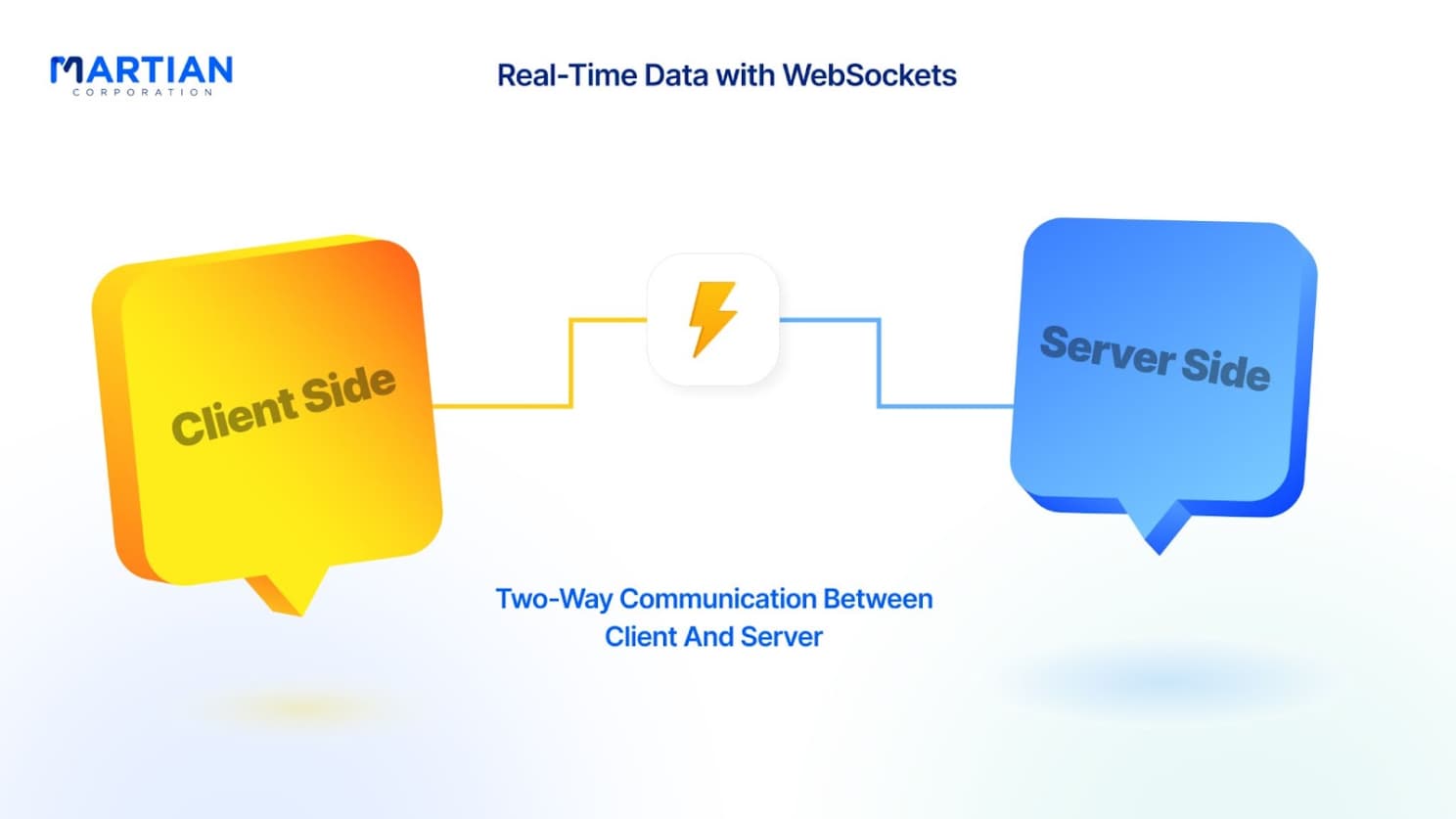
WebSockets create persistent connections that allow data to flow seamlessly in both directions between client and server. This real-time communication transforms user experiences by enabling instant messaging, live chat support, and collaborative editing without the delays of traditional HTTP requests. Users can interact with applications that respond immediately to their actions, creating smooth, responsive interfaces that feel native rather than web-based.
Live data streaming reduces server polling overhead
Server-Sent Events and WebSockets eliminate the need for constant server polling, dramatically reducing bandwidth consumption and server load. Instead of clients repeatedly asking for updates, servers push data directly when changes occur. This approach significantly improves scalable JS applications' performance by reducing unnecessary network traffic and allowing servers to handle more concurrent users with existing resources.

Push notifications keep users engaged without page refreshes
Real-time push capabilities keep users informed of important updates without requiring manual page refreshes or navigation. Whether it's stock price changes, order status updates, or social media notifications, users receive immediate alerts that maintain engagement. This seamless experience prevents user frustration and reduces bounce rates while ensuring critical information reaches users exactly when it matters most.
Real-time collaboration features boost user productivity
Multiple users can work simultaneously on shared documents, dashboards, or projects with changes appearing instantly across all connected sessions. Features like live cursors, synchronised editing, and real-time commenting create collaborative environments that mirror in-person teamwork. This capability transforms business applications into powerful productivity tools where teams can brainstorm, edit, and make decisions together regardless of physical location.
Advanced Error Handling and Debugging Capabilities
Try-catch blocks prevent application crashes
JavaScript's try-catch mechanism acts as your application's safety net. When unexpected errors occur, these blocks gracefully intercept them instead of letting your entire application crash. Smart developers wrap risky operations like API calls or user input processing in try-catch statements, ensuring their scalable JS applications continue running even when individual components fail.
Custom error objects provide detailed debugging information
Beyond basic error messages, JavaScript allows you to create custom error objects that carry specific context about failures. These tailored errors include relevant data like user IDs, request parameters, or system states when problems occur. This detailed information transforms vague "something went wrong" scenarios into actionable debugging sessions, dramatically reducing the time developers spend hunting down issues.
Stack trace analysis speeds up development cycles
Modern JavaScript engines provide comprehensive stack traces that show exactly where errors originated and how they propagated through your code. These traces reveal the complete execution path, from the initial function call down to the problematic line. Developers can quickly identify whether issues stem from their own code, third-party libraries, or unexpected user interactions.

Graceful degradation maintains user experience during failures
Professional JavaScript applications don't just crash when things go wrong—they adapt. Graceful degradation means providing fallback functionality when primary features fail. If your real-time chat feature breaks, users can still send messages through a basic form. If your advanced search crashes, a simple text search remains available, keeping your business operations running smoothly.
Cross-Browser Compatibility and Progressive Enhancement
Polyfills ensure consistent behaviour across platforms
Modern browsers support ES6+ features differently, creating compatibility challenges for scalable JS applications. Polyfills bridge these gaps by providing fallback implementations for missing features, allowing developers to use cutting-edge JavaScript while maintaining broad browser support. This approach ensures consistent DOM manipulation and async/await functionality across all platforms.
Feature detection adapts functionality to device capabilities
Smart feature detection lets applications gracefully adapt to varying browser capabilities without breaking user experience. By checking for specific API availability before implementation, developers can provide alternative solutions or enhanced features based on what each browser supports. This strategy maximises application reach while delivering optimal performance on every device.
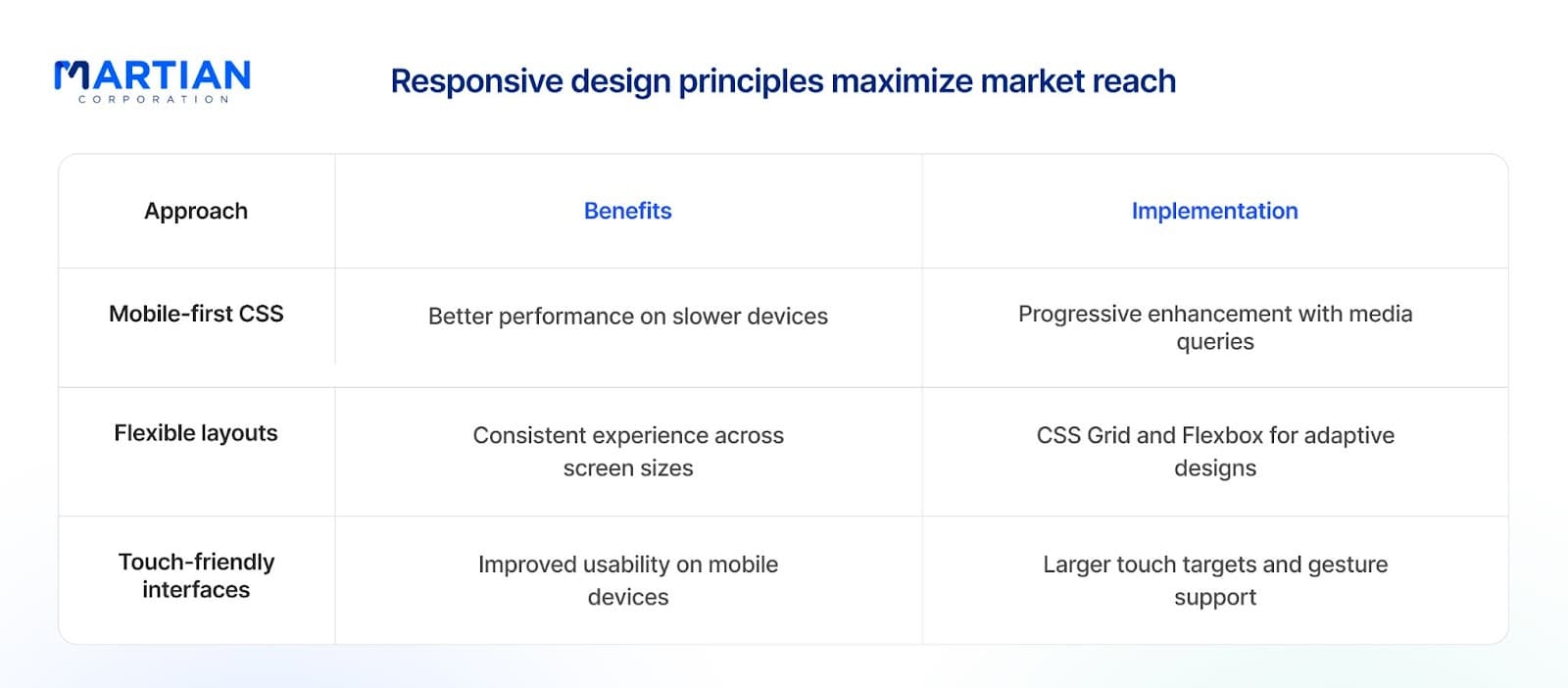
Responsive design expands market reach by creating applications that work seamlessly across desktop, tablet, and mobile devices. JavaScript plays a crucial role in detecting screen sizes, adjusting layouts dynamically, and optimising touch interactions for different form factors.
Memory Management and Performance Optimisation
Garbage collection prevents memory leaks in long-running applications
Modern JavaScript engines automatically handle memory cleanup through garbage collection, preventing the memory leaks that can cripple long-running applications. Unlike manual memory management languages, JavaScript's garbage collector identifies and removes unreferenced objects, keeping your scalable JS applications running smoothly even during extended user sessions.
Object pooling reduces allocation overhead
Creating and destroying objects repeatedly in JavaScript can create performance bottlenecks, especially in data-heavy applications. Object pooling maintains a cache of reusable objects, dramatically reducing garbage collection pressure and improving response times for frequent DOM manipulation tasks and API calls.
Lazy loading strategies minimise initial bundle size
Smart loading techniques like code splitting and dynamic imports allow your JavaScript applications to load only essential components initially. This approach reduces time-to-interactive metrics and improves user experience, particularly crucial for scalable JS applications serving global audiences with varying connection speeds.
Caching mechanisms accelerate repeat user interactions
Implementing browser cache strategies, service workers, and in-memory caching transforms repeat visits into lightning-fast experiences. These mechanisms store frequently accessed data locally, reducing server requests and creating the responsive feel users expect from modern web applications while supporting your application's growth trajectory.
Security Features for Enterprise-Grade Applications
Input Sanitisation Prevents XSS and Injection Attacks
Modern JavaScript frameworks like React and Vue.js include built-in protection against cross-site scripting (XSS) attacks through automatic HTML escaping. Developers can implement additional layers of security using libraries like DOMPurify to sanitise user input before rendering. Regular expressions and validation functions help filter malicious scripts, while parameterised queries prevent SQL injection attacks when handling database operations.
Content Security Policy Headers Block Malicious Scripts
CSP headers create a whitelist of trusted content sources, preventing unauthorised scripts from executing in scalable JS applications. Web developers can configure policies that block inline scripts, restrict external resource loading, and report violations to monitoring systems. This security measure works seamlessly with modern async/await patterns and ES6+ modules, ensuring that only approved JavaScript code runs in production environments.
HTTPS Enforcement Protects Data Transmission
SSL/TLS encryption becomes mandatory for enterprise applications handling sensitive data. JavaScript applications can enforce HTTPS through service workers, redirect rules, and Strict-Transport-Security headers. Modern browsers support secure contexts that restrict certain APIs to HTTPS-only environments, making encryption essential for accessing features like geolocation, camera access, and local storage in web applications.
Authentication Tokens Secure User Sessions
JSON Web Tokens (JWT) and OAuth 2.0 provide robust session management for JavaScript applications. Developers can implement token-based authentication using secure storage methods like HTTP-only cookies or secure localStorage alternatives. Token refresh mechanisms ensure continuous user sessions while maintaining security standards, and middleware functions can validate tokens before allowing access to protected API endpoints.
Database Integration and Data Persistence
JSON handling simplifies API communication
Modern web applications rely on seamless data exchange between client and server systems. JavaScript's native JSON support streamlines API communication, making data serialisation and parsing effortless. Using async/await with fetch() creates clean, readable code that handles complex data transformations without callbacks.
Local storage maintains user preferences offline
Browser storage APIs enable applications to function independently of network connectivity. Local storage preserves user settings, form data, and application state across sessions. This offline capability keeps scalable JS applications responsive even when connectivity fails, improving user experience and reducing server dependency.
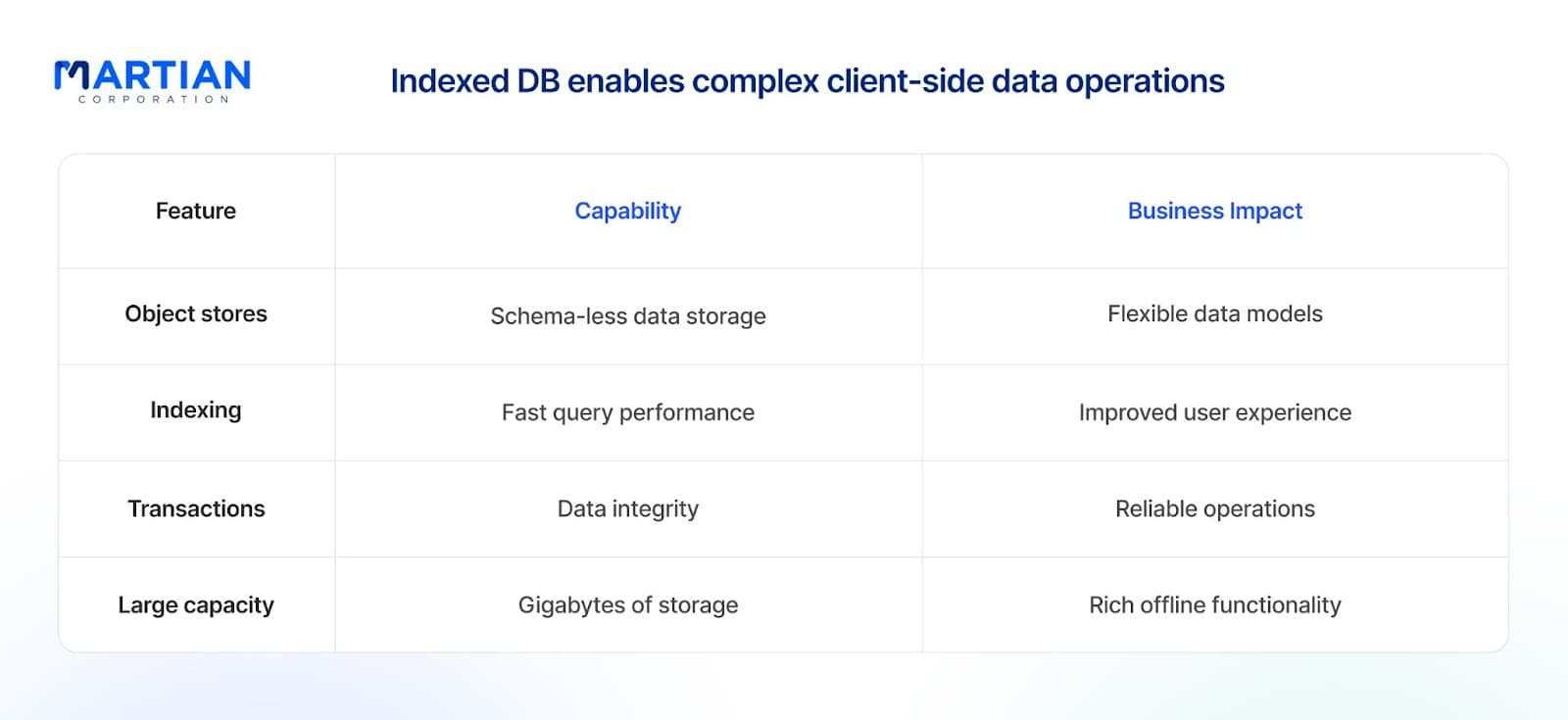
IndexedDB provides a powerful NoSQL database directly in the browser, supporting complex queries, indexing, and large datasets. This client-side database enables sophisticated offline functionality, reducing server load while maintaining application performance for enterprise-scale deployments.
Testing and Quality Assurance Frameworks
Unit testing ensures individual component reliability
Modern JavaScript testing frameworks like Jest and Mocha make it simple to test individual functions and components in isolation. These tests catch bugs early and provide confidence when refactoring code. Scalable JS applications rely heavily on comprehensive unit tests to maintain code quality across large codebases.
Integration testing validates system-wide functionality
Integration tests verify that different modules work together correctly, especially when dealing with async/await operations and DOM manipulation. Testing frameworks can simulate user interactions and API calls to ensure your application behaves properly across all components and data flows.
Automated testing pipelines catch bugs before deployment
Continuous integration systems automatically run your test suites whenever code changes, preventing broken features from reaching production. These pipelines can include unit tests, integration tests, and end-to-end testing scenarios that validate complete user workflows.
Code coverage metrics guide testing strategy
Coverage tools show which parts of your codebase lack proper testing, helping prioritize where to focus testing efforts. JavaScript ES6+ features like modules and classes make it easier to achieve high coverage rates while maintaining clean, testable code architecture.
Scalability Through Microservices and API Architecture
RESTful API design enables service modularity
Modern JavaScript applications thrive when built with RESTful APIs that break complex systems into manageable, independent services. Each API endpoint serves a specific business function, allowing teams to develop, test, and deploy services separately. This modular approach means your e-commerce platform can scale its payment processing independently from inventory management, reducing bottlenecks and improving overall system reliability.
GraphQL reduces over-fetching and improves performance
GraphQL revolutionises how scalable JS applications handle data by letting clients request exactly what they need in a single query. Unlike traditional REST APIs that often return excessive data, GraphQL eliminates over-fetching and reduces network overhead. Your mobile app can fetch user profiles, order history, and preferences in a single, efficient request, dramatically improving load times and user experience across various devices and connection speeds.
Service workers enable offline functionality
Service workers act as programmable proxies between your JavaScript application and the network, enabling robust offline experiences that keep users engaged even without internet connectivity. They intelligently cache critical resources and API responses, allowing users to browse previously loaded content, submit forms, and interact with your app seamlessly. When connectivity returns, service workers sync pending actions automatically, creating truly resilient web applications.
CDN integration accelerates global content delivery
Content Delivery Networks paired with JavaScript applications create lightning-fast user experiences by serving static assets from geographically distributed servers. Modern CDNs go beyond simple file hosting, offering edge computing capabilities that run JavaScript code closer to users. This reduces latency for dynamic content generation and API responses, ensuring your scalable applications perform consistently whether accessed from New York or Tokyo.
Conclusion
JavaScript has evolved into a powerhouse for building enterprise-level web applications that can handle massive user loads and complex business requirements. The ten features we've explored show how modern JavaScript provides everything needed for scalable development – from asynchronous programming that keeps apps responsive to robust security measures that protect sensitive data. These tools work together to create applications that grow with your business while maintaining top performance.
The key to success lies in combining these features strategically rather than using them in isolation. Start with solid error handling and testing frameworks as your foundation, then layer in real-time data capabilities and performance optimisations as your app scales. By embracing these JavaScript features now, you're not just building for today's needs – you're creating applications that can adapt and expand as your business evolves in an increasingly digital world.