All Blogs/Artificial Intelligence
12 Jun 2026
4 min read

How Artificial Intelligence is Transforming Enterprises

How Artificial Intelligence is Transforming Enterprises

By: Martian Corporation

Article content

Introduction

“Enterprises are no longer just adopting AI — they are being reshaped by it.” Artificial Intelligence has moved far beyond experimentation. It is no longer something limited to innovation labs or future planning—it is now part of everyday business operations.

Across industries, companies are using AI to automate work, analyze data, and improve decision-making. But the real change is deeper than efficiency. AI is not just improving systems—it is redefining how work happens inside organizations.

This is not adoption anymore. It’s a transformation.
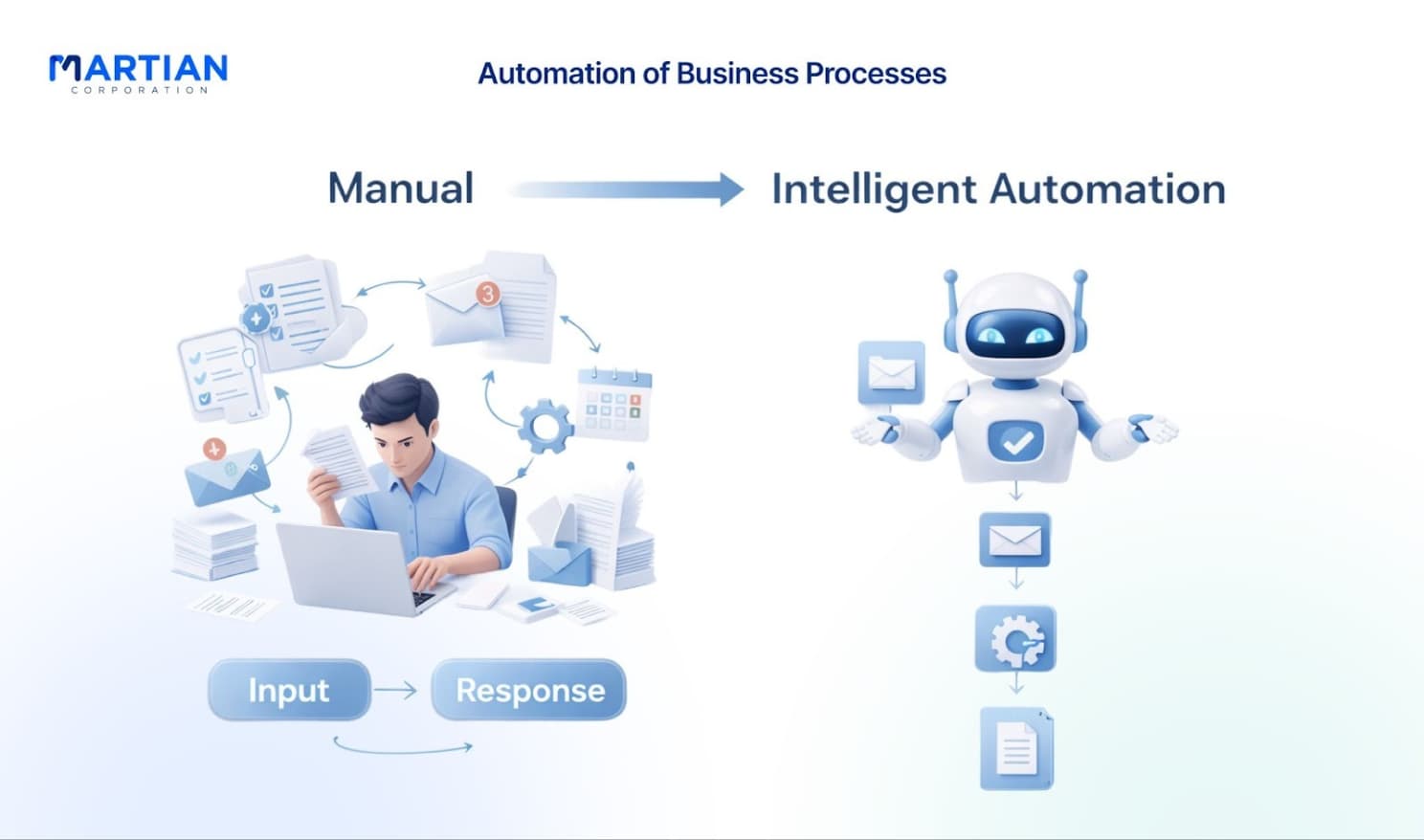
Automation of Business Processes

“Repetitive work is becoming a thing of the past.” One of the most visible impacts of AI is automation. Enterprises are using AI to handle routine tasks like data entry, report generation, and customer support operations.

But this is not the same as traditional automation. AI systems can adapt, learn patterns, and handle variations without needing constant updates.

This is changing how teams think about work.

Not “Who will do this task?” But “Can this be handled automatically?”

That shift is what’s driving large-scale efficiency across organizations.

Data-Driven Decision Making

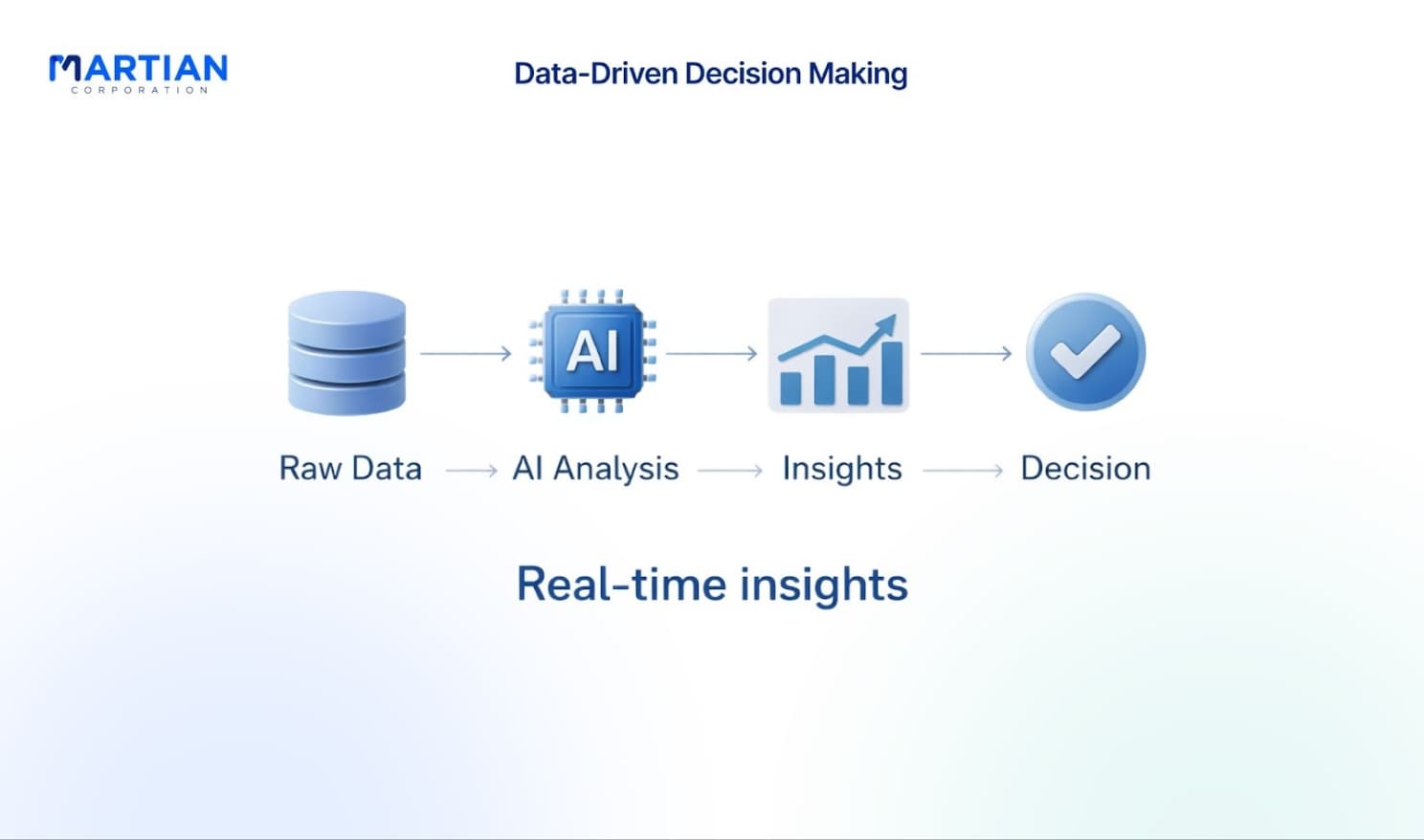
“Better data leads to better decisions.” Enterprises generate enormous amounts of data every day, but without the right tools, much of it remains unused. AI changes that by analyzing data quickly and extracting meaningful insights.

Instead of relying on assumptions, leaders can now make decisions based on real-time patterns and predictions. This leads to faster responses, better planning, and more accurate outcomes.

Decisions become less reactive, And more informed

Article content

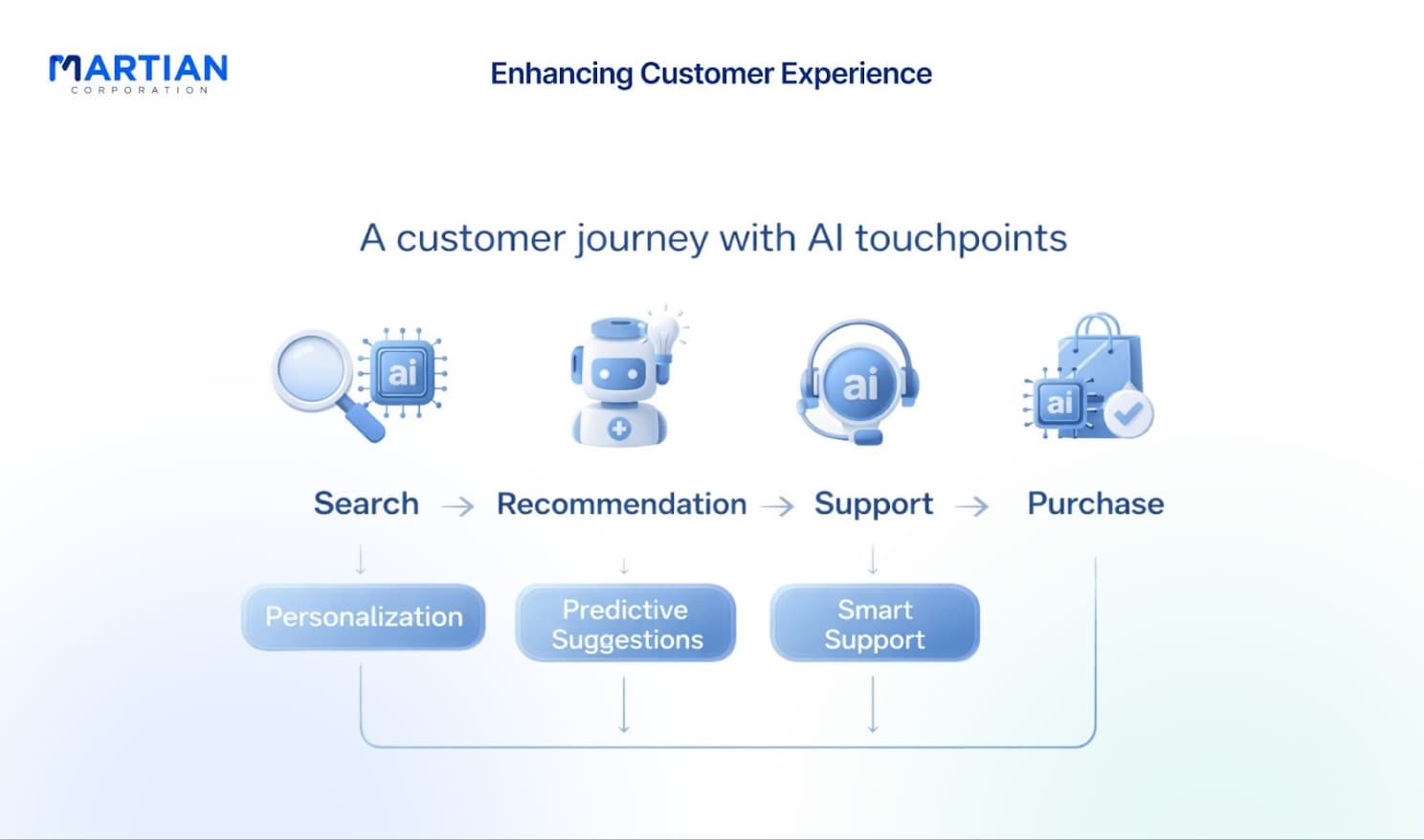
Enhancing Customer Experience

“Customers expect faster, smarter, and more personalized interactions.” AI is transforming how businesses interact with customers. From recommendation systems to intelligent support, companies are delivering more personalized experiences than ever before.

We’re already seeing this in platforms like e-commerce and fintech, where AI systems suggest products, resolve queries, and even predict user needs before they are explicitly stated.

Not just faster responses, But smarter interactions

This directly improves customer satisfaction and long-term engagement.

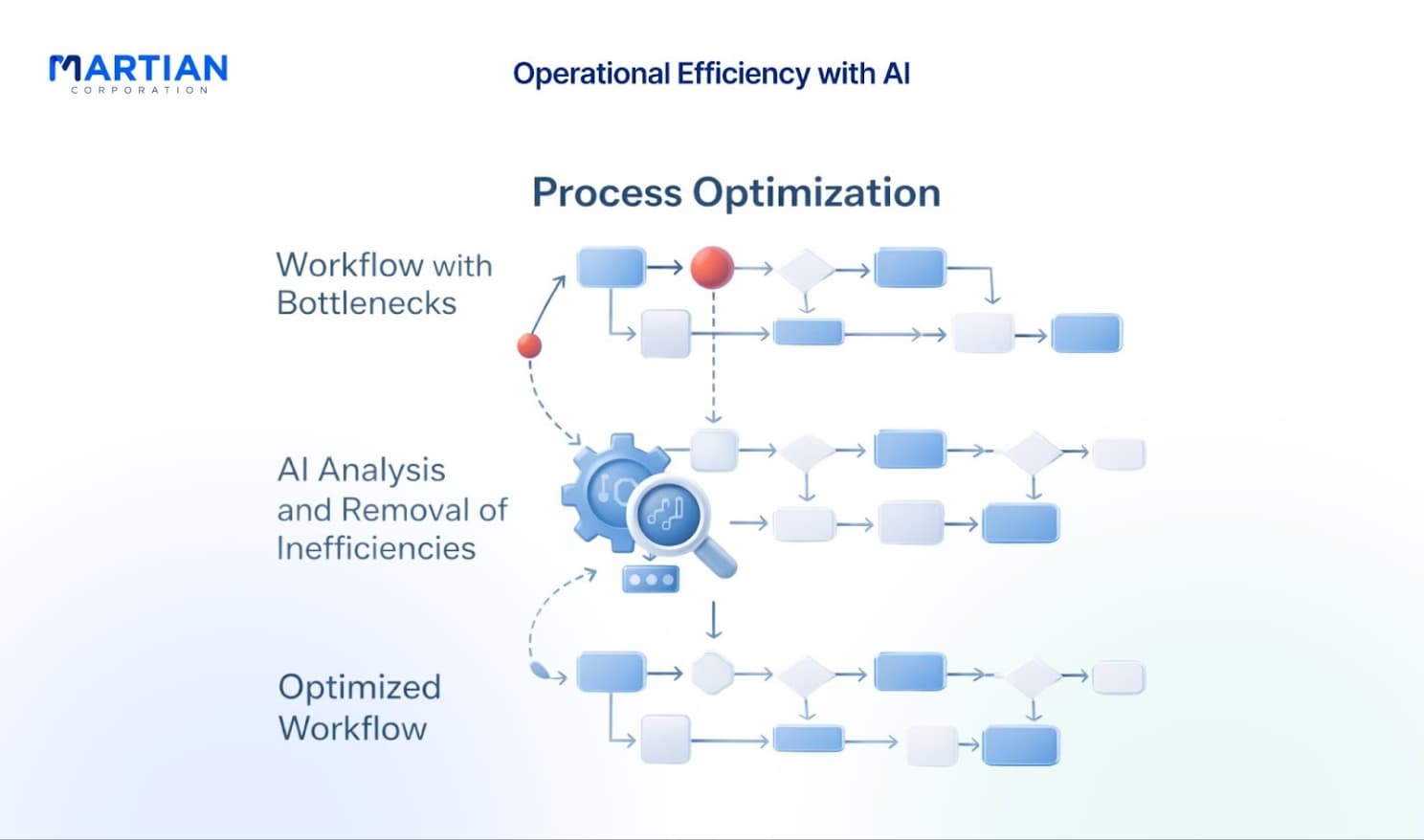
Improving Operational Efficiency

“Efficiency is the foundation of scalable growth.” AI helps enterprises identify inefficiencies that are often difficult to detect manually. It can analyze workflows, detect delays, and suggest optimizations across departments.

From supply chains to internal operations, AI ensures that processes run more smoothly and consistently. This reduces costs while improving overall performance.

The result is not just speed, But stability in operations

Supporting Innovation

“AI doesn’t just optimize—it enables innovation.” When routine work is automated, teams gain time to focus on innovation. AI also plays a role in accelerating research, testing, and experimentation.

Companies are now able to explore new ideas faster, build smarter products, and enter new markets with more confidence.

AI becomes more than a support system. It becomes a catalyst for growth.

Article content

Risk Management and Security

“Smarter systems help prevent smarter threats.” AI is increasingly used to detect fraud, monitor security threats, and manage risks. By analyzing patterns and identifying anomalies, AI systems can detect issues early and respond before they escalate.

This is especially important in industries like finance and cybersecurity, where even small delays can lead to significant risks.

Early detection, Faster response, Better protection

Workforce Transformation

“AI is changing how people work, not just what they do.” As AI takes over repetitive tasks, employees are shifting toward roles that require creativity, decision-making, and strategic thinking.

Enterprises are investing in upskilling to prepare their workforce for this shift. The focus is moving from task execution to problem-solving and innovation.

Work is evolving.

From doing tasks, To guiding systems

Challenges in AI Adoption

“Transformation comes with its own challenges.” Despite its benefits, adopting AI is not always straightforward. Enterprises face challenges such as poor data quality, integration complexity, and ethical concerns.

Successful implementation requires planning, proper infrastructure, and continuous monitoring. Without this, even powerful systems can fail to deliver expected results.

Technology alone is not enough. Execution matters.

Article content

The Future of AI in Enterprises

“AI will soon be at the core of every enterprise system.” The role of AI in enterprises will continue to grow. Future systems will rely on AI not just for support, but for decision-making, automation, and optimization at every level.

We are moving toward organizations where AI is embedded into everyday operations, quietly managing workflows in the background.

Less manual control, More intelligent systems

Conclusion

“The real shift is not using AI — it’s building around it.” Artificial Intelligence is no longer just a tool that enterprises use occasionally. It is becoming a core part of how businesses operate, make decisions, and grow.

This transformation is not about replacing people or processes. It’s about creating systems that are faster, smarter, and more capable.

Because going forward, success won’t depend on how much work a company can do— But on how intelligently it can get that work done.

NewsLetter

Stay ahead in the world of technology

Get curated technology trends, expert analysis, and product updates delivered straight to your inbox — no noise, just signal.

Enter your email address

By subscribing you agree to our Terms and Conditions and Privacy Policy