All Blogs/Cyber Security
27 Jun 2026
2 min read

Cloud Security Best Practices Every Business Should Follow

Cloud Security Best Practices Every Business Should Follow

By: Martian Corporation

Introduction

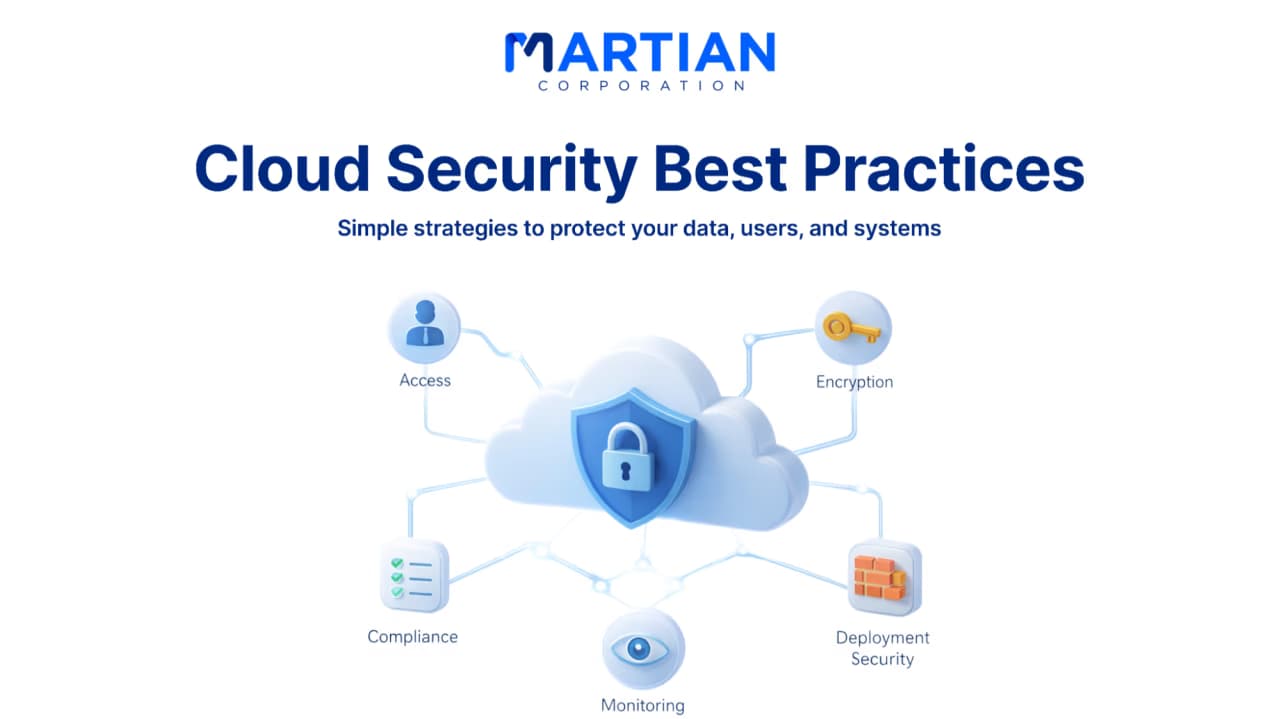
“In the cloud, security is not optional — it’s essential.” As businesses move more applications and data to the cloud, protecting systems becomes a critical responsibility. While cloud providers secure the infrastructure, organizations must still protect their data, users, and applications. Without proper security practices, sensitive information can become vulnerable to breaches or misuse. Following basic cloud security principles helps businesses operate safely and maintain trust with users.
Data Protection and Access Control

Data Protection and Access Control

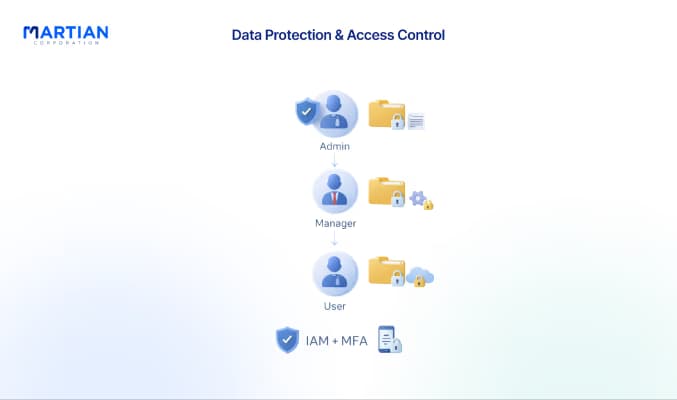
“Protecting data starts with controlling who can access it.” Businesses should carefully manage who can access their cloud systems and data. Identity and Access Management (IAM) tools allow companies to assign roles and permissions so users only access what they truly need. This reduces the risk of unauthorized access or accidental exposure of sensitive information. Using strong passwords and multi-factor authentication further strengthens access security.

Encryption for Data Security

Encryption for Data Security

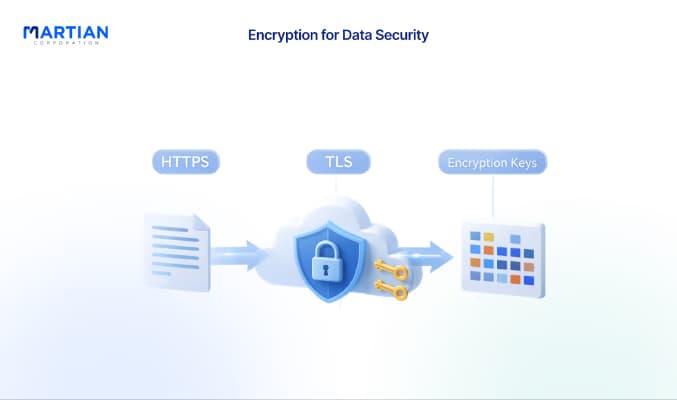
“Encryption keeps sensitive data unreadable to attackers.” Encryption protects data stored in the cloud and data moving across networks. Cloud platforms offer built-in encryption tools that secure databases, storage, and communication channels. Protocols like HTTPS and TLS protect information during transmission. With proper encryption, even if data is intercepted, it remains secure and inaccessible without the correct keys.

Compliance and Regulatory Standards

Compliance and Regulatory Standards

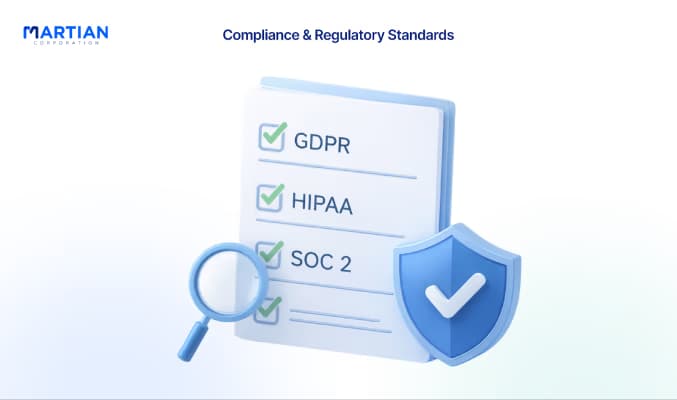
“Security also means following the rules that protect user data.” Many industries must follow regulations when storing or processing data in the cloud. Standards such as GDPR, HIPAA, and SOC 2 define how organizations should manage user information. Cloud providers support these standards, but businesses must still configure systems properly and maintain documentation. Regular audits help ensure systems remain compliant.

Secure Cloud Deployment Practices

Secure Cloud Deployment Practices

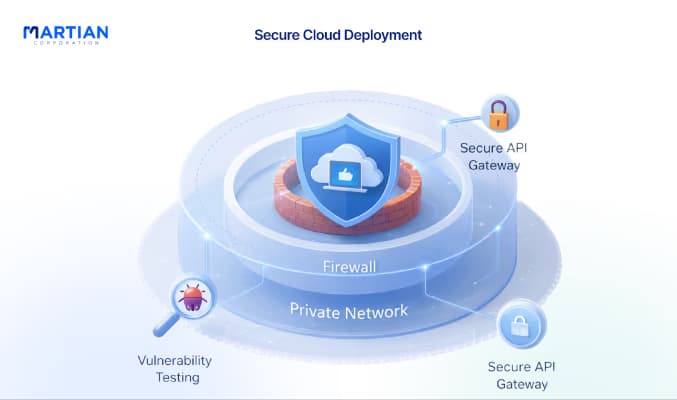
“Security should start before the application goes live.” Applications should be deployed using secure configurations and network protections. Tools such as firewalls, private networks, and secure APIs help isolate important services. Developers should also scan applications for vulnerabilities before deployment. Building security into the development and deployment process reduces risks later.

Continuous Monitoring and Threat Detection

Continuous Monitoring and Threat Detection

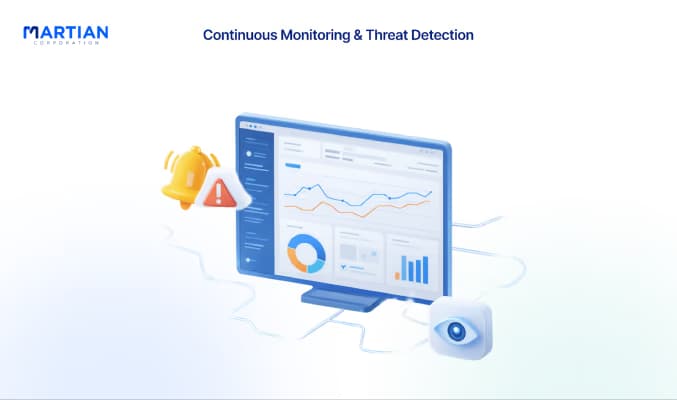
“Monitoring helps detect threats before they become problems.” Cloud monitoring tools track system activity, user access, and network behavior. These tools can alert teams when unusual activity occurs, allowing quick responses to potential threats. Regular monitoring helps businesses maintain secure and stable cloud environments.

Conclusion

“Strong security practices protect both technology and trust.”Cloud security requires a combination of good tools and responsible practices. By controlling access, encrypting data, following compliance standards, and monitoring systems regularly, businesses can keep their cloud environments secure. Strong security not only protects systems but also builds trust with customers and users.

NewsLetter

Stay ahead in the world of technology

Get curated technology trends, expert analysis, and product updates delivered straight to your inbox — no noise, just signal.

Enter your email address

By subscribing you agree to our Terms and Conditions and Privacy Policy