

All Blogs/Database
26 Jan 2026
4 min read

5 MongoDB Tricks That Make Your App Lightning Fast & Scalable

5 MongoDB Tricks That Make Your App Lightning Fast & Scalable

By: Martian Corporation

Article content

Introduction

“Speed and scalability aren’t features — they’re expectations.” MongoDB has become a top choice for developers because of its flexibility and ability to handle massive amounts of data without slowing down. But in today’s digital world, having a strong database isn’t enough. Your app must be fast, responsive, and ready to scale as users grow. MongoDB offers powerful features that help achieve exactly that. In this post, we explore five practical tricks that boost performance and keep your app running smoothly under pressure.

Understanding the Importance of Speed and Scalability

“A fast app keeps users. A scalable app keeps the business.” Speed determines user satisfaction. If your app loads slowly, users leave. Fast performance improves experience, rankings, and conversions. Scalability ensures your app can grow without breaking. As users increase, your infrastructure must adapt effortlessly. Building with speed and scalability in mind keeps your app reliable, competitive, and future-ready.

Trick #1: Indexing for Faster Queries

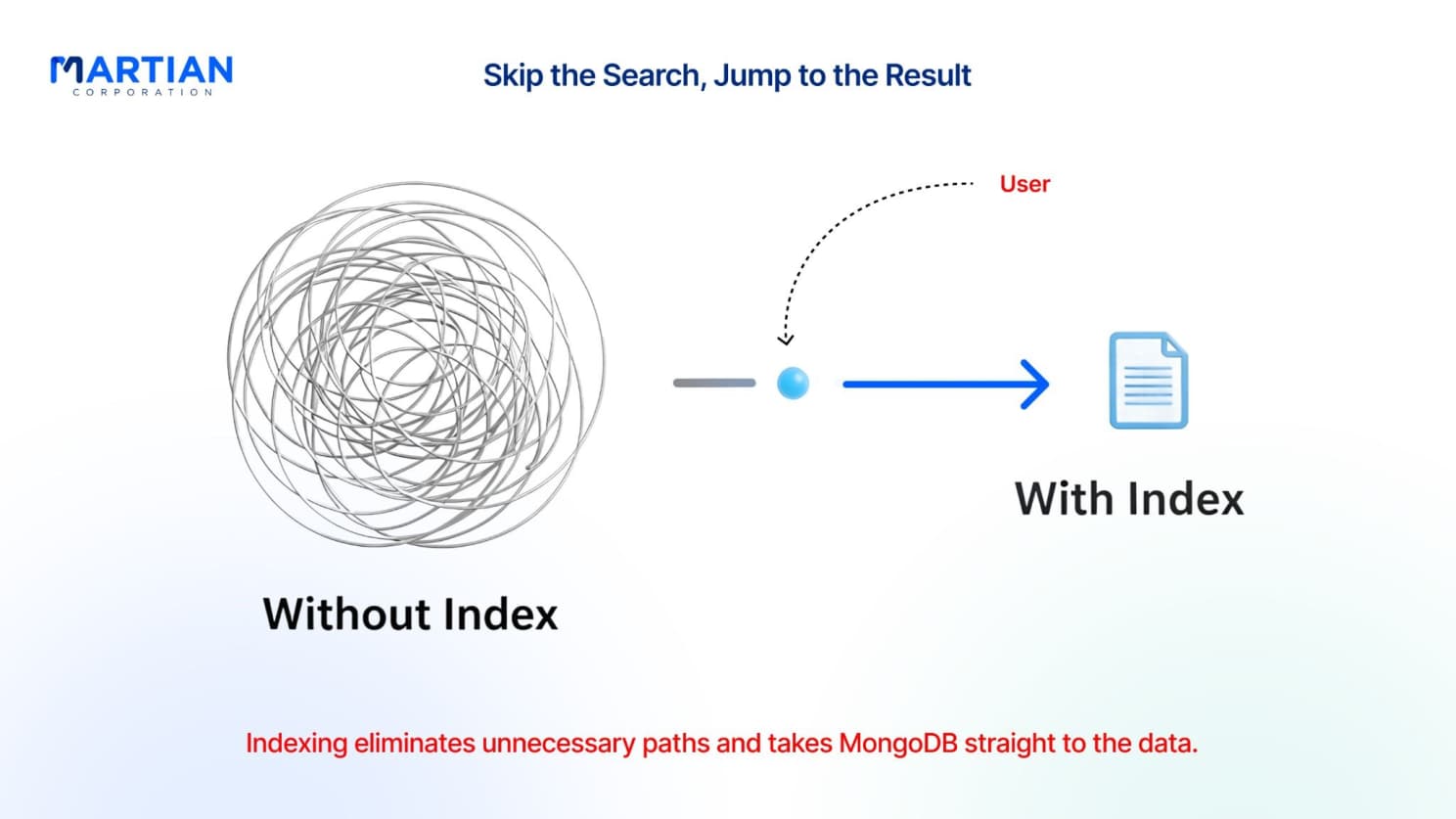
“Indexes turn slow searches into instant lookups.” Indexing allows MongoDB to jump directly to the needed data instead of scanning entire collections. It works like a book index, making lookups fast and targeted. Both single-field and compound indexes transform slow queries into instant responses. However, indexing must be done strategically because too many indexes slow down write operations. When applied wisely, indexing dramatically boosts read performance and optimizes frequently used queries.

Article content

Trick #2: Sharding for Horizontal Scaling

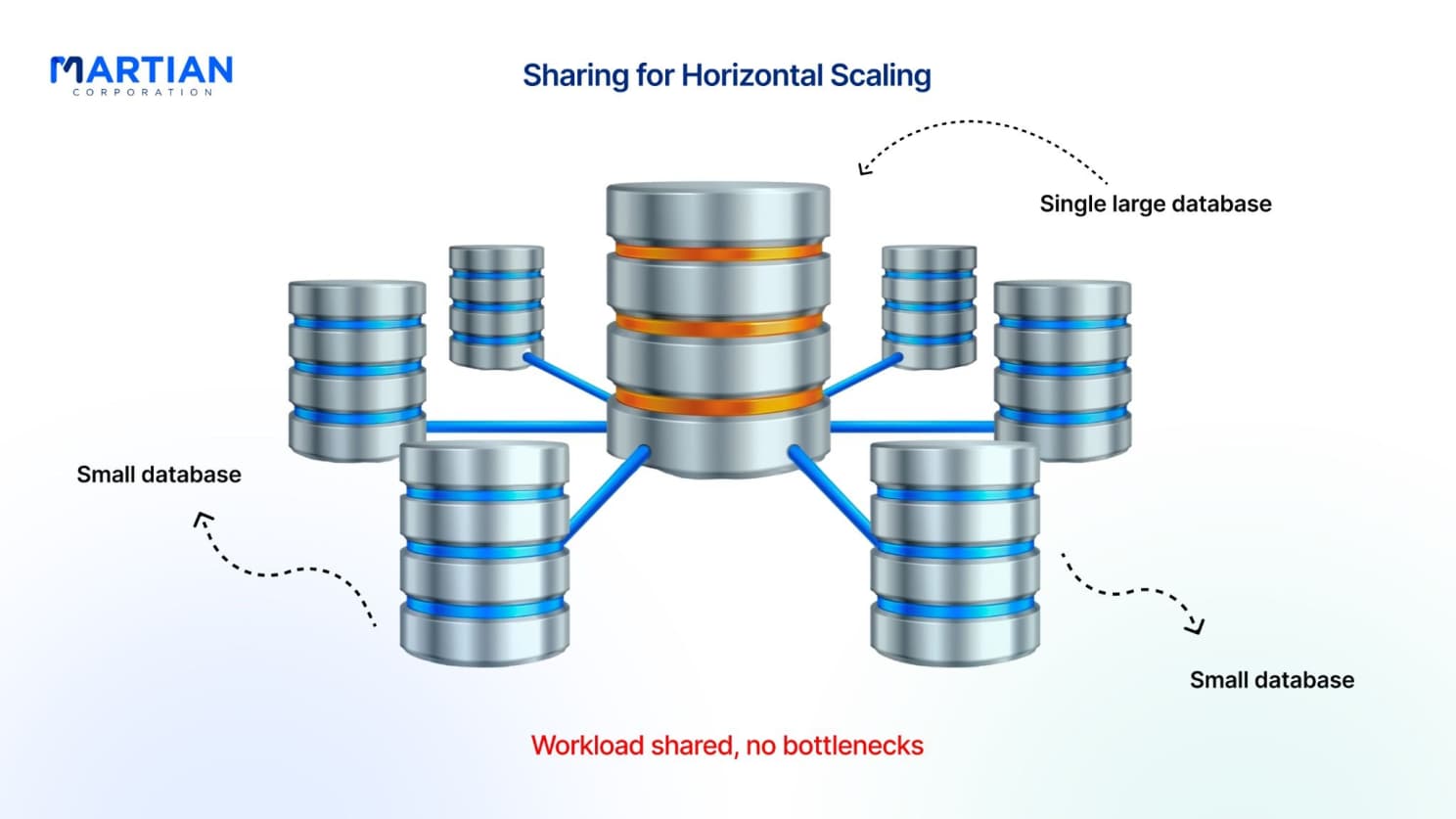
“Growth is smooth when your data is evenly distributed.” Sharding distributes your data across multiple servers so MongoDB can handle huge workloads without bottlenecks. Each server manages only part of the dataset, keeping the system responsive even during heavy traffic. The shard key plays a critical role because a well-chosen key balances the load and prevents hotspots. With the right configuration, sharding enables seamless scaling as your user base expands.

Trick #3: Replication for High Availability

“High availability isn’t optional — it’s the backbone of reliability.” Replication creates multiple copies of your data across different servers. The primary node handles writes, while secondary nodes continuously mirror the data. If the primary goes down, a secondary automatically steps in, ensuring minimal downtime. Replication also improves performance by allowing read operations from secondary nodes. This keeps your app stable, responsive, and prepared for unexpected failures.

Trick #4: Capped Collections for Efficient Data Handling

“When data flows fast, your storage must keep pace.” Capped collections maintain a fixed size by overwriting the oldest data automatically. They are ideal for logs, events, and real-time streams. Because they use fixed-size records and preserve insertion order, retrieval becomes incredibly fast. They require no manual cleanup and keep your system efficient, especially when dealing with high-velocity data.

Article content

Trick #5: Aggregation Pipelines for Advanced Data Processing

“Smart queries lead to smarter insights.” Aggregation pipelines allow MongoDB to process large datasets internally. Through stages like $match, $group, and $project, you can filter, transform, summarize, and analyze information efficiently. This reduces network calls and minimizes the load on your application. It’s a powerful solution for analytics, reporting, dashboards, and trend analysis.

Real-Life Impact of These Techniques

“Real performance wins come from real use cases.” An e-commerce platform reduced multi-second product searches to instant results through indexing. A social platform relied on sharding to support millions of active users without lag. A finance organisation ensured uninterrupted service with replication during server failures. An analytics company used aggregation pipelines to transform raw data into real-time insights, enabling faster, data-driven decisions.

Understanding MongoDB’s Core Strengths

“A flexible database enables flexible applications.” MongoDB’s document-based structure adapts easily to changing data. Its JSON-like documents make it ideal for both structured and unstructured information. With built-in scalability, high availability, and powerful querying capabilities, it supports modern applications that deal with rapidly growing datasets.

Article content

Conclusion

“Fast apps succeed. Slow apps disappear.”Optimizing MongoDB requires smart use of indexing, sharding, replication, and aggregation. These techniques keep your database fast, reliable, and scalable. When combined, they create an architecture capable of handling growth while maintaining top-tier performance. In a world where speed, uptime, and seamless experiences define success, these MongoDB strategies help your app stay ahead of the competition.

NewsLetter

Stay ahead in the world of technology

Get curated technology trends, expert analysis, and product updates delivered straight to your inbox — no noise, just signal.

Enter your email address

By subscribing you agree to our Terms and Conditions and Privacy Policy